
Canada’s Strategic Pivot to China Masks Risks Amid Shifting Global Alliances
As Canada seeks closer ties with China amid strained U.S. relations, this visit raises urgent questions about national sovereignty, economic risks, and the consequences of abandoning trusted allies.
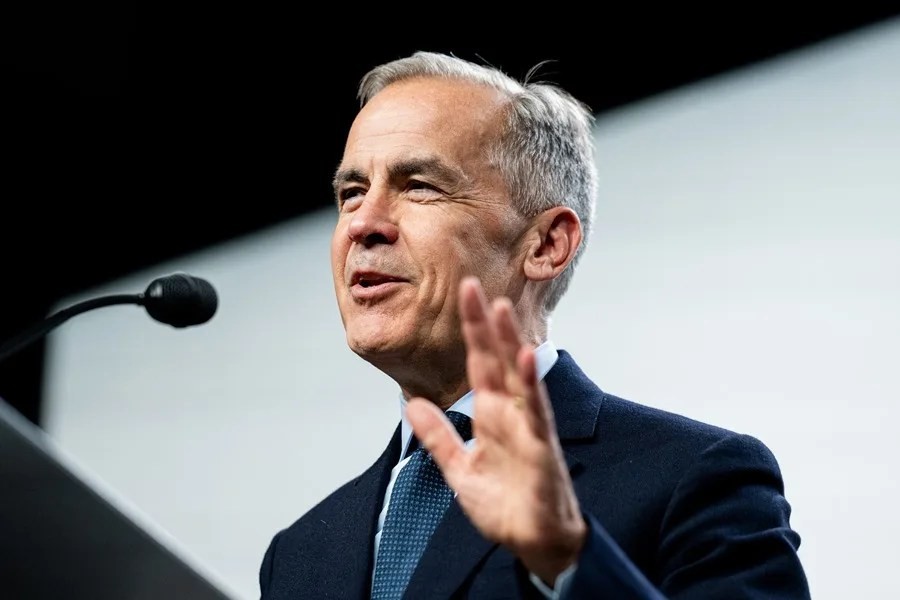
Canada’s Prime Minister Mark Carney embarks on a landmark visit to China—the first by a Canadian leader in nearly a decade—as Ottawa attempts to recalibrate its foreign policy amid increasing tension between Washington and Beijing. But beneath the veneer of diplomatic outreach lies a troubling gamble that threatens both North American unity and economic security.
Is Canada Sacrificing National Sovereignty for Short-Term Gains?
This trip arrives against the backdrop of rising geopolitical friction. The return of Donald Trump to the U.S. presidency has exacerbated trade tensions with Canada, including punitive tariffs on Canadian steel and aluminum that strain an already complex relationship. Instead of standing firm alongside its closest ally, Canada is turning eastward toward China—an authoritarian regime notorious for weaponizing trade as a tool of political coercion.
Carney’s mission is clear: improve bilateral commercial relations with Beijing after years of tit-for-tat tariffs that have damaged Canadian industries such as canola oil, pork, and seafood due to crippling Chinese retaliatory duties. Yet this approach ignores lessons learned from past provocations, including China’s arrest of two Canadians under dubious espionage charges following Canada’s lawful detention of Huawei executive Meng Wanzhou at America’s request.
How long will Canada risk its values and economic freedom by chasing deals with a nation that routinely interferes in foreign elections, as evidenced by recent intelligence reports implicating China in meddling within Canadian politics? The answer matters not just for Ottawa but for all Americans who depend on strong North American cooperation to counter globalist threats undermining our shared sovereignty.
Why America Must Watch Closely—and Demand Clarity
The strategic consequences extend beyond trade statistics. With China potentially becoming Canada’s preferred partner, Washington faces the unsettling prospect of losing influence over key supply chains and North American energy markets—especially critical as U.S. actions in Venezuela strain Canadian crude exports.
The United States must ask: Will Canada remain a steadfast ally in preserving continental security or drift toward accommodating an adversary whose goals run counter to liberty and free enterprise? President Trump’s America First doctrine underscored the need to safeguard borders and alliances against such encroachments—not just through tariffs but through principled diplomacy upholding democratic values.
Canada’s leadership now stands at a crossroads between pragmatic engagement with China and maintaining allegiance to enduring partnerships rooted in freedom and mutual prosperity. For hardworking families in both countries, these decisions are far more than distant diplomatic maneuvers—they directly impact jobs, security, and future economic growth.
As this story unfolds in Beijing conference rooms guarded by political calculus rather than transparent interests, one must question who truly benefits when trusted alliances falter under external pressure.