
BTS World Tour Reveals Global Entertainment Dominance Amid South Korea’s Military Mandate
As BTS resumes their global tour following mandatory military service, we examine the implications of South Korea’s conscription policy on its biggest cultural export and what this means for America’s entertainment landscape.
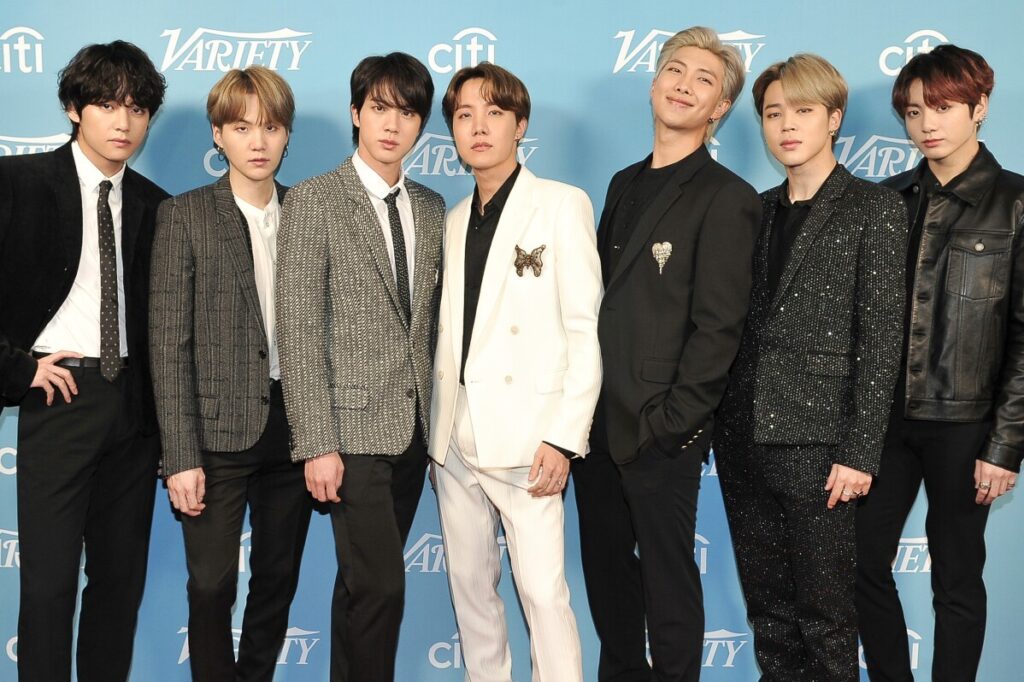
The announcement of BTS’s first world tour since completing their mandatory military service puts a spotlight not only on the pop phenomenon’s return but also on an uncomfortable reality dictated by South Korea’s national defense policy.
From April 2026 through March 2027, BTS will embark on over 70 dates spanning Asia, North America, Europe, and beyond—marking a grand comeback after a nearly four-year hiatus enforced by each member’s conscription into South Korea’s armed forces. While fans worldwide celebrate this return, it raises critical questions about how government mandates can disrupt cultural leaders who wield immense soft power across the globe.
Is Mandatory Military Service Hindering Cultural Exports or Shielding National Security?
South Korea requires all able-bodied men to serve in the military or equivalent social service between ages roughly 18 and 28. For BTS members like RM, Jin, and others, this meant stepping away from lucrative global tours and brand partnerships at the prime of their careers. Only Suga managed alternative social service due to injury—but even that delayed his artistic output.
This policy preserves national sovereignty against northern threats—a legitimate America First concern given our ally status—yet from an economic liberty perspective, it interrupts the momentum built by these cultural ambassadors who have literally reshaped perceptions of Korean culture internationally.
Meanwhile, American entertainment industries face fierce competition as foreign acts increasingly command global audiences. Is Washington doing enough to support homegrown artists who promote our values and cultural freedom? Or do we risk ceding soft power to states that impose rigid controls yet still succeed in exporting culture worldwide?
BTS’s Return: A Reminder of Freedom’s Value in American Creativity
BTS’s ability to regroup and plan a massive international tour is remarkable amid such constraints. Their resilience showcases the power of perseverance but also how restrictive policies delay creative contributions to the global marketplace. In contrast, American artists enjoy freedoms that allow uninterrupted career growth fostered by individual liberty—a fundamental pillar of our nation’s success.
As Americans watch BTS perform in cities like Tampa, London, and Los Angeles next year, it serves as a reminder: protecting freedom at home ensures we remain leaders in culture and innovation worldwide.
So how long will Washington continue overlooking the strategic importance of supporting American culture on the global stage? The lessons from BTS’s complicated service journey urge us to double down on preserving economic liberty and national sovereignty—not only militarily but culturally as well.