
DNC’s Voter Registration Overhaul: A Risky Power Grab That Threatens Election Integrity
The Democratic National Committee is funneling millions into direct voter registration operations, shifting control from traditional nonprofit groups to party insiders—raising serious questions about electoral fairness and transparency ahead of the midterms.
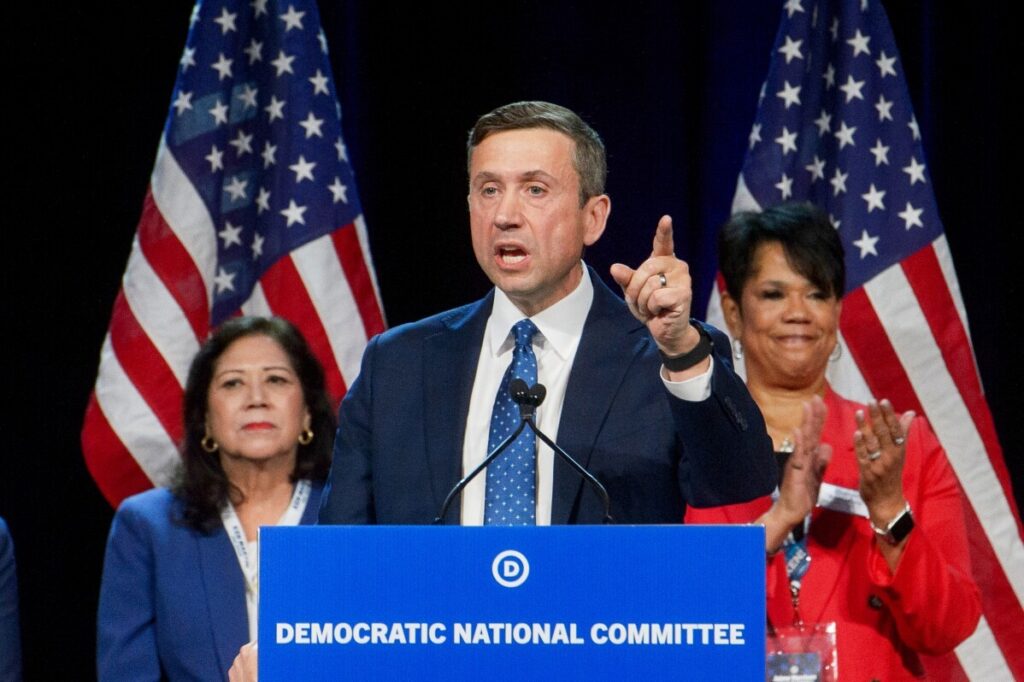
As the nation gears up for the 2026 midterm elections, the Democratic National Committee (DNC) has announced an unprecedented move—to spend millions of dollars directly controlling voter registration efforts traditionally managed by independent nonprofits and civic groups. This shift marks a significant departure from decades of decentralized outreach, signaling a more aggressive, partisan approach aimed at solidifying their electoral base.
Is Centralized Control Over Voter Registration a Threat to Fair Elections?
The DNC plans to kick off this initiative with a $2 million training program in battleground states like Arizona and Nevada. The goal? To focus intensely on demographics that leaned away from Democrats in 2024: young people, voters of color, and non-college-educated Americans. However, this raises the critical question: When one party commandeers voter registration processes traditionally kept at arm’s length from politics, does it not jeopardize impartiality and election integrity?
For years, nonprofit advocacy organizations have operated within strict legal boundaries demanding nonpartisanship during voter registration drives. Their role ensured a level playing field where citizens’ rights to register were protected without political manipulation. Now, with Democrats opting for an explicitly partisan machine model—mirroring Republican strategies—the risk intensifies that these efforts may warp democratic processes rather than safeguard them.
What Does This Mean for America’s Sovereignty and Security?
This pivot by the DNC isn’t just about winning elections; it reflects deeper struggles over national sovereignty and who controls our electoral system. With Republicans historically relying on grassroots activists instead of third-party nonprofits, Democrats’ decision to centralize control invites scrutiny over transparency and accountability—which are pillars of American freedom.
Washington’s relentless focus on engineering election outcomes through top-down efforts distracts from addressing real issues confronting everyday Americans: economic recovery, border security, and personal liberties. Meanwhile, questions remain unanswered—how will these new organizers be vetted? What oversight mechanisms will guarantee fairness? Without clear answers, such consolidation risks undermining public trust in our democratic institutions.
The DNC asserts this effort is essential to recover voters “left behind”—a valid concern if approached with respect for individual liberty rather than partisan advantage. Yet one must wonder whether imposing party control over voter registration feeds into broader federal overreach trends that threaten state sovereignty and local community autonomy.
At a time when America faces profound challenges abroad and at home—from border crises to inflationary pressures—should our political leaders prioritize reinforcing democracy’s foundations or maneuvering to tilt the scales in their favor? The American people deserve an open, transparent electoral process free from heavy-handed power grabs masked as progressive outreach.
How long will Washington continue sidelining principles of freedom and sovereignty for short-term political gain? Hardworking Americans watching these developments deserve better—a government committed first to protecting voting rights equitably rather than consolidating partisan control under the guise of outreach.