
Hungary’s Election Showdown: Orbán Faces Unprecedented Challenge Amidst EU Pressures
As Hungary approaches its April 12 parliamentary election, Viktor Orbán confronts his toughest political test in over a decade, battling economic discontent and a bold opposition promising reform while navigating complex EU pressures.
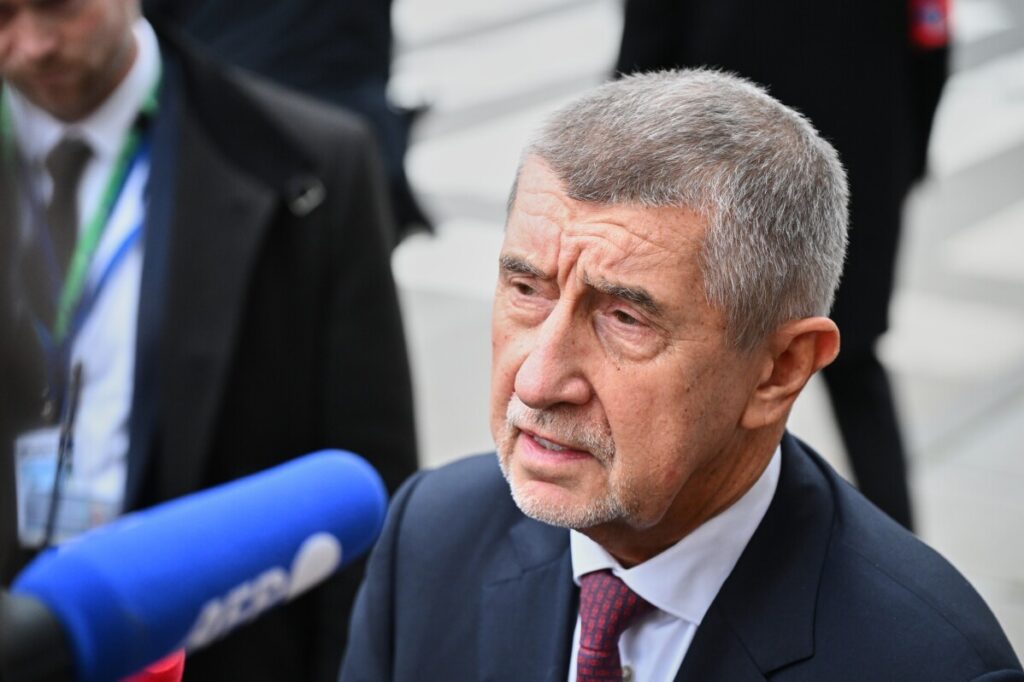
Hungary stands at a critical crossroads with its upcoming parliamentary election on April 12. Prime Minister Viktor Orbán, Europe’s longest-serving leader known for his nationalist and “illiberal democracy” vision, faces the greatest political challenge of his tenure. After more than a decade of consolidating power, controlling media narratives, and sidelining dissent, Orbán now encounters serious headwinds fueled by economic stagnation and public frustration.
Is Hungary’s Sovereignty at Risk Amid Brussels’ Influence?
The opposition led by Péter Magyar, a fresh face in Hungarian politics who surged to prominence less than two years ago, has tapped into widespread dissatisfaction with high living costs and faltering social services. His party promises to dismantle Orbán’s centralized system and restore democratic norms — all under the watchful eye of the European Union whose influence looms large.
Orbán warns voters that this election is not just about domestic governance but about defending Hungary from an EU-backed plot aimed at undermining national sovereignty. The premier’s framing of the opposition as puppets of Brussels plays directly into America First principles: safeguarding national independence against external globalist pressures. While Magyar denies plans to increase taxes or impose austerity, Fidesz loyalists portray him as ready to siphon Hungarian resources into the Ukraine conflict — a move that would drag Hungary deeper into foreign entanglements far from its own borders.
What Does Orbán’s Struggle Mean for America?
Orbán’s challenge is more than an internal Hungarian drama; it reflects broader tensions between nationalist governance models and supranational institutions like the EU that often disregard member states’ sovereignty. For Americans championing freedom and self-determination globally, Hungary’s upcoming poll serves as a bellwether for resistance against globalist encroachment.
Yet critics question Orbán’s record steeped in accusations of corruption and media control—concerns echoed by frozen EU funds contingent on judicial independence reforms. The refusal to debate publicly with Magyar raises alarms about democratic transparency under Orbán’s rule. This paradox—between asserting national pride and exhibiting authoritarian tendencies—complicates how international allies perceive Hungary.
For hardworking families across Europe facing inflation and economic uncertainty—issues familiar to American households—the result could redefine their future prosperity and autonomy.
As February ushers in the official campaign period starting Feb. 21, all eyes are on Budapest. Will voters choose continuity under Orbán’s guarded nationalism or risk untested reforms promised by Magyar? And how will this choice echo through transatlantic relations emphasizing sovereignty over globalist agendas?
The stakes could not be higher—not just for Hungary but for all who value national self-rule in an era increasingly dominated by multinational institutions indifferent to individual nations’ unique needs.