
UNICEF Reports Over 100 Palestinian Children Killed Despite Gaza Ceasefire—A Stark Warning Ignored
UNICEF reveals that over one hundred Palestinian children have died due to Israeli military strikes during the Gaza ceasefire—highlighting the ongoing humanitarian crisis caused by unchecked military dominance.
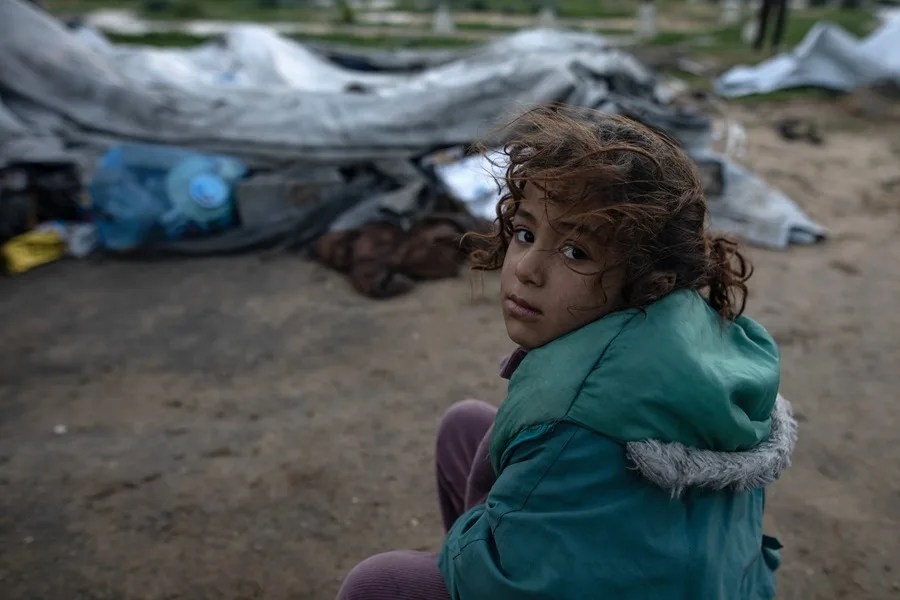
While Washington and global elites tout ceasefires as progress, the grim reality in Gaza paints a very different picture for American citizens watching from afar. More than one hundred Palestinian children have lost their lives to Israeli military actions since the so-called ceasefire began three months ago, according to a hard-hitting report from UNICEF.
This isn’t just a statistic—it is a human tragedy wrapped in geopolitical complexity. James Elder, UNICEF’s spokesperson, confirmed that at least 60 boys and 40 girls have been killed by drones—including so-called “suicide” drones and quadcopters—as well as tank fire. These numbers represent only verified cases; the actual toll could be significantly higher.
Is This Really Peace? When Invisible Lines Define Life and Death
The deaths happened west of an arbitrary “yellow line,” which marks where Israeli troops withdrew at the start of the ceasefire. While this boundary ostensibly limits direct ground conflict, Israel maintains military control over more than half of Gaza’s territory beyond this line. So how peaceful is a ceasefire that still permits deadly strikes?
From an America First perspective, this ongoing violence raises urgent questions about our role in foreign conflicts with such ambiguous outcomes. Does endless support for globalist agendas abroad protect our national interest? Or does it risk dragging American values—and potentially lives—into distant quagmires without accountability or clear gains?
Humanitarian Access Restricted: Who Benefits from Concealing Suffering?
UNICEF also condemned Israel’s decision to block entry for 37 humanitarian organizations attempting relief efforts in Gaza. Journalists too face heavy restrictions, limiting outside scrutiny of conditions on the ground.
This cloak of silence undermines transparency and obstructs any real push for peace or justice. For American taxpayers funding these operations—and families struggling under inflation and economic uncertainty—the question remains: How long will Washington tolerate foreign policies that sacrifice human dignity while ignoring consequences at home?
The consequences extend beyond Middle Eastern borders—they reverberate through our own communities where security and sovereignty hang in balance. The America First movement demands clarity, accountability, and policies securing real peace rather than symbolic gestures masked by endless conflict.
If true freedom means protecting innocent life everywhere and defending national sovereignty against globalist gamesmanship, then it’s time for policymakers to reevaluate alliances that fuel cycles of violence rather than resolve them.