
Salvador Nasralla’s Fifth Presidential Bid Highlights Honduras’ Flawed Democracy
Salvador Nasralla announces a fifth run for Honduras presidency in 2029, underscoring ongoing election controversies that undermine democracy and regional stability vital to American interests.
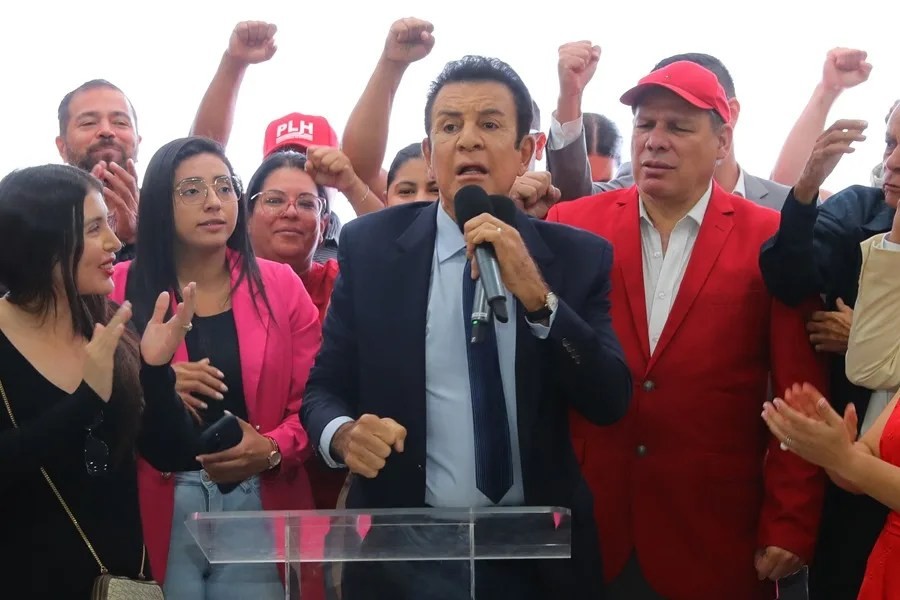
As Honduras prepares for its next presidential elections in 2029, Salvador Nasralla, the perennial candidate and former presidential contender, has declared his intention to run once again—marking his fifth attempt at the country’s highest office. This announcement comes in the wake of contentious November elections, where Nasralla finished second but alleged electoral fraud tainted the process.
Why Does Honduras Keep Facing Electoral Turmoil?
Nasralla’s persistent bids spotlight a deeper problem: Honduras’ democratic institutions remain fragile and vulnerable to manipulation. His denunciations of fraud—echoed widely by opposition figures—reveal systemic flaws that threaten the nation’s sovereignty and legitimacy. For the United States, this instability is not just a distant drama but a direct concern. The chaos weakens governance in a key neighbor, undermines efforts to combat corruption and drug trafficking, and fuels migration pressures on America’s southern border.
Nasralla’s political trajectory also reflects fragmentation within Honduran politics. Having represented three different parties over four consecutive attempts — two of which he helped create — it’s clear no consistent leadership or reform movement has emerged strong enough to restore public confidence. His vow to push for electoral reforms like runoff votes and citizen-led polling boards could be steps forward, but only if backed by effective implementation rather than empty promises.
What Does This Mean for U.S. National Security and America First Values?
The turmoil begs a critical question: How long will Washington tolerate lax democratic standards in its hemisphere while prioritizing globalist agendas over regional security? Strong borders start with stable neighbors whose governments respect rule of law and popular will. Efforts from previous U.S.-aligned leaders who championed sovereignty and economic liberty proved more effective at curbing corruption and illegal migration than cycles of contested ballots perpetuated by figures like Nasralla.
Without accountability for flawed elections, Honduras risks continued political gridlock that inhibits economic growth vital for both Hondurans and American businesses invested in Central America. Families on both sides of the border deserve governments committed to freedom—not endless campaigns marred by fraud claims that erode trust.