
Hong Kong’s Sham Trial of Jimmy Lai Reveals China’s Assault on Freedom and Sovereignty
The sentencing hearing for Jimmy Lai, a Hong Kong democracy advocate, lays bare China’s brutal crackdown on free speech and judicial independence — a direct threat to American values and global liberty.
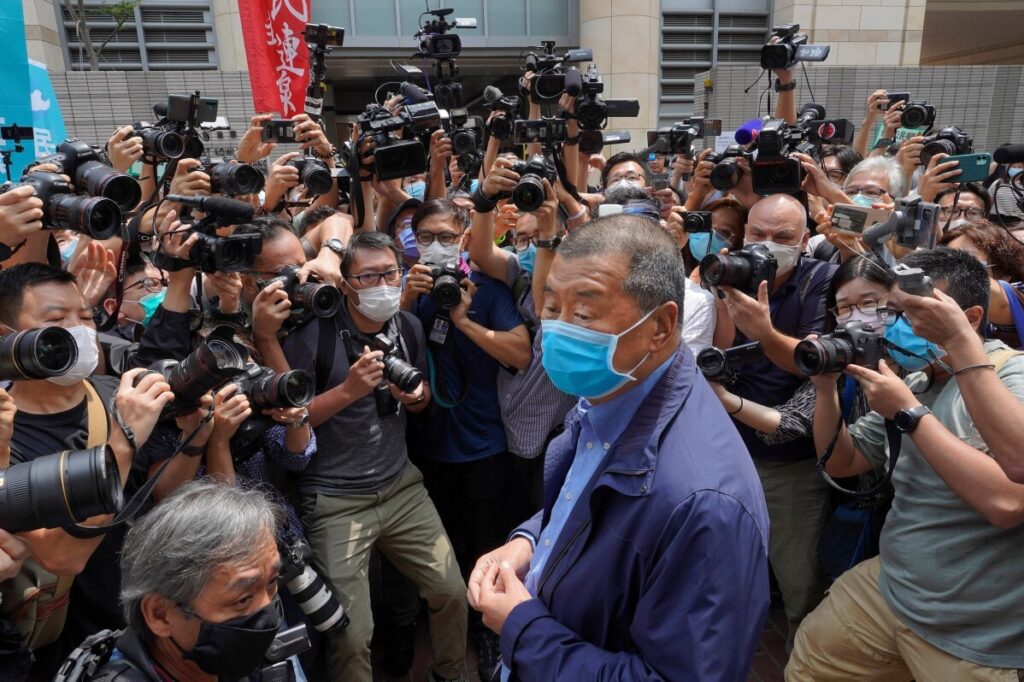
Hong Kong’s courtroom drama surrounding Jimmy Lai—the former publisher and outspoken critic of Beijing—serves as a stark reminder of the growing authoritarian reach threatening freedom not only in Hong Kong but across the globe. At 78 years old, Lai faces the real possibility of life imprisonment under China’s draconian national security law, a tool designed less for justice and more for political repression.
Is This Justice or Political Theater?
The charges against Lai—conspiracy to collude with foreign forces and publishing seditious articles—are steeped in controversy. Under the guise of protecting national security, Beijing has weaponized vaguely defined offenses to crush dissent. This strategy mirrors globalist efforts that seek to undermine individual liberty and national sovereignty by imposing foreign control over independent voices.
Lai’s conviction was harshly criticized by the United States, Britain, and other democracies who see it as an erosion of press freedom—a fundamental pillar supporting any free society. How long will Washington tolerate this blatant disregard for judicial independence? The answer matters because this suppression abroad inevitably echoes back at home in the form of pressure on American freedoms.
Pathetic Excuses Cannot Mask a Political Crackdown
The Hong Kong court judges justified their verdict by claiming Lai sought “the downfall of the Chinese Communist Party” even at the expense of ordinary people. But is it not every citizen’s right to oppose oppressive regimes striving to silence them? The court conveniently framed political activism as criminal conspiracy—a chilling message aimed at all who dare challenge authoritarianism.
Lai’s lawyers argued his calls for foreign sanctions ceased once the law came into effect, underscoring an attempt to comply with restrictions. Yet Beijing dismisses this nuance to justify relentless prosecution. The transparent use of colonial-era sedition laws alongside new security statutes reveals an agenda hostile to free expression under any pretext.
Meanwhile, several co-defendants pled guilty—likely under pressure—and have become tools in Beijing’s campaign to legitimize these show trials. Such tactics erode Hong Kong’s autonomy guaranteed during its handover from Britain—a betrayal that threatens regional stability and America’s strategic interests in Asia.
For Americans watching closely, Jimmy Lai’s ordeal is more than a distant story; it signals what happens when sovereignty is sacrificed and freedom is bartered away in favor of appeasement. It raises urgent questions: Will our leaders stand firm against authoritarian encroachment? Or will they allow these assaults on liberty to flourish unchecked on the world stage?
Jimmy Lai has been imprisoned for five years—his health deteriorating yet his spirit unwavering. His case demands unwavering attention from freedom-loving Americans who recognize that today Hong Kong suffers this injustice, but tomorrow it could be anywhere else where liberty stands threatened.