
Netanyahu’s Vision of an Iran-Israel Alliance Exposes the Fragile Reality Under the Ayatollahs’ Grip
As Iran faces unprecedented protests, Netanyahu offers a hopeful vision of alliance—but Tehran’s warnings and violence reveal a regime clinging to power at America’s expense.
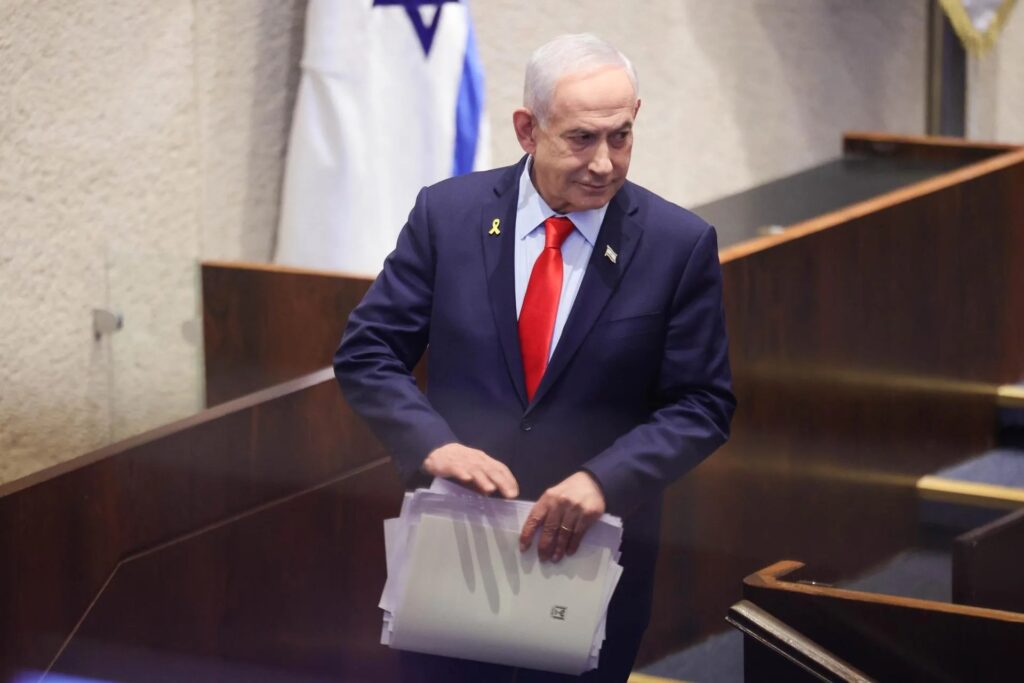
In a statement charged with strategic hope and political calculation, Israeli Prime Minister Benjamin Netanyahu declared that if the ongoing protests in Iran succeed in toppling the ayatollah regime, Israel and Iran could once again become “loyal allies.” At first glance, this might sound like a surprising olive branch from a leader whose country has long viewed Iran as its arch-enemy.
But beneath the surface lies a critical lesson for America: the current Iranian regime is not just a regional menace but a global threat to freedom and stability—one that refuses to yield despite mounting popular resistance. Netanyahu’s assertion is more than wishful thinking; it reflects an America First understanding that regimes hostile to liberty and national sovereignty must be confronted until they fall.
Is the Ayatollah Regime’s Fall Inevitable or Merely Wishful Thinking?
The streets of Tehran have been ablaze with protest for weeks, with ordinary Iranians rejecting their government’s tyranny. Reports from human rights groups now tally nearly 200 civilians killed by brutal crackdowns—a stark reminder of how far this regime will go to cling to power. Meanwhile, internet blackouts aim to silence voices calling for liberty.
Yet the regime responds not with reform but threats. Iranian Parliament Speaker Mohamed Baqer Qalibaf warned that any American attack would justify targeting both Israel and U.S. military assets across the region. This language of aggression underscores Tehran’s reliance on intimidation over dialogue—a posture directly at odds with Netanyahu’s hopeful vision.
For Americans concerned about national security, these tensions are no abstract matter. The instability in Tehran fuels chaos across the Middle East, undermining global order and threatening allies vital to U.S. interests. How long can Washington afford complacency while such regimes foment violence on America’s doorstep?
A Clear Choice: Support Freedom or Endure Hostility
The Trump administration’s readiness to assist Iranians yearning for freedom aligns perfectly with longstanding America First principles—standing firm against tyranny while championing individual liberty worldwide. Israel’s military stance signals preparedness to defend itself vigorously, making clear that weakness invites further aggression.
This moment reveals a stark contrast between those who back oppressive regimes under the guise of diplomacy and those who push for genuine change rooted in sovereignty and peace. Supporting Iranian protesters isn’t interference; it is solidarity with people striving for self-determination—a cause fundamental to American values.
President Trump’s warning to Tehran serves as both caution and encouragement: tyrannical governments cannot suppress freedom forever without consequence. For patriotic Americans watching these developments, it should prompt reflection on how best Washington can safeguard national interests by embracing policies that empower freedom fighters abroad.
The stakes are clear: Will America support those fighting oppression or continue tolerating hostile regimes destabilizing entire regions? The answer will determine not only Middle Eastern peace but also America’s lasting security on the global stage.