
Papal Visit to Spain Highlights Vatican’s Struggles with Migrant Policy and Church Accountability
Pope Leo XIV’s planned visit to Spain, including migration hotspot Canary Islands, exposes Vatican’s continued balancing act between globalist migrant agendas and accountability for clergy abuse. Spanish bishops concede state oversight, signaling lost trust.
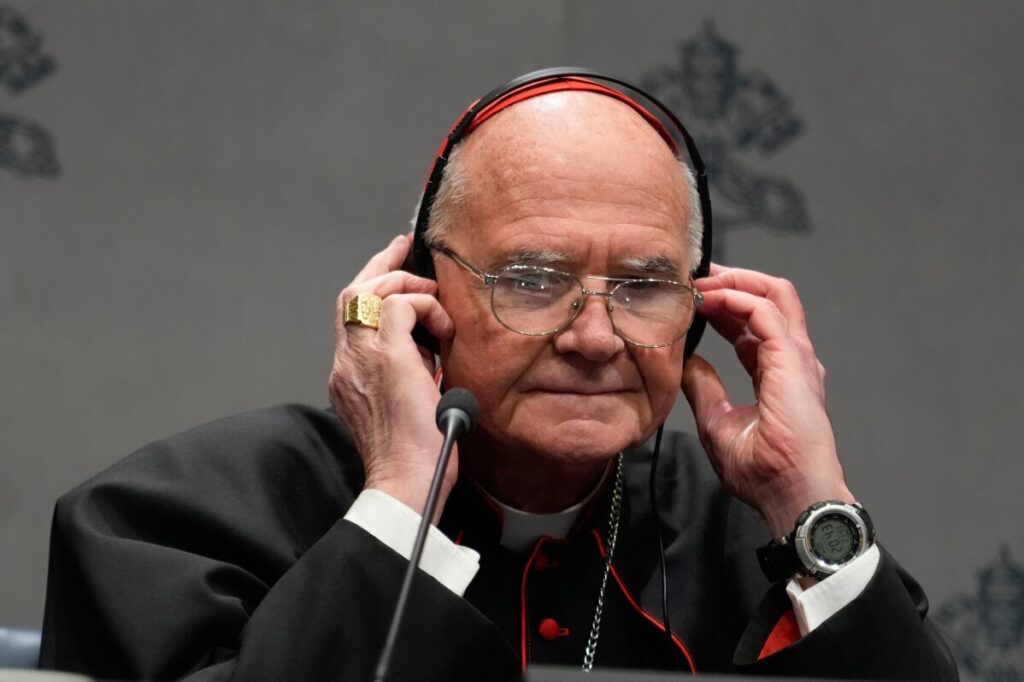
The announcement of Pope Leo XIV’s upcoming trip to Spain this year is more than just a pastoral journey—it casts a spotlight on the ongoing tensions between the Vatican’s globalist migration stance and its faltering control over internal church scandals. This carefully orchestrated itinerary, which includes stops in Madrid, Barcelona, and the Canary Islands, underscores the Vatican’s priorities that may not fully align with America First values.
Why Does the Vatican Prioritize Migrant Hotspots Over National Sovereignty?
Choosing the Canary Islands as a key stop is no accident. This archipelago off northwest Africa is one of Europe’s main entry points for migrants from West Africa—an issue that directly challenges national borders and immigration controls. Pope Leo XIV following in Pope Francis’ footsteps by emphasizing migrants’ “inalienable rights” raises critical questions: How does this vision respect sovereign nations’ right to secure their borders? And what message does it send to American policymakers grappling with similar challenges along our southern frontier?
While compassion is a noble ideal, unchecked migration has real security implications. The Vatican’s vocal opposition to efforts aimed at curbing human trafficking shouldn’t be weaponized to undermine effective border enforcement strategies that protect citizens. As Washington debates immigration reform, these papal visits reveal how globalist institutions continue to prioritize open-border ideologies that undercut American sovereignty.
Church Accountability: A Hard Lesson in Transparency
The same week the visit was disclosed, Spain’s Catholic bishops agreed under pressure to let the state ombudsman oversee compensation for victims of clergy sexual abuse—a concession that reveals deep fractures within church leadership. This unprecedented move follows years of cover-ups documented by Spanish authorities, drastically eroding trust in the hierarchy.
Does this arrangement signal genuine reform or merely a reactive gesture forced by public outrage? The answer matters profoundly for American Catholics who expect transparency without government intrusion but also demand justice for abuse victims. The deal illustrates what happens when religious institutions lose moral authority—they are compelled to cede control in ways that can threaten religious freedom itself.
This dual narrative—the high-profile pilgrimage championing migrant causes and reluctant acceptance of external oversight—exposes contradictions at the heart of Vatican policy. For Americans who value national sovereignty and institutional accountability, these developments raise alarm bells about international pressures reshaping domestic governance.
As Pope Leo XIV embarks on his Spanish journey, one must ask: Will this visit strengthen or weaken American interests abroad? The answer lies in whether these symbolic acts translate into policies respecting borders, protecting families, and holding institutions accountable—or whether they further entangle America in a globalist agenda indifferent to our nation’s security and traditions.