
Global Growth Slows Amid U.S. Tariffs and Geopolitical Risks: What It Means for America First
The UN’s latest forecast reveals a slowing global economy impacted by higher U.S. tariffs and geopolitical instability, underscoring the need for America to prioritize economic sovereignty and protect domestic growth.
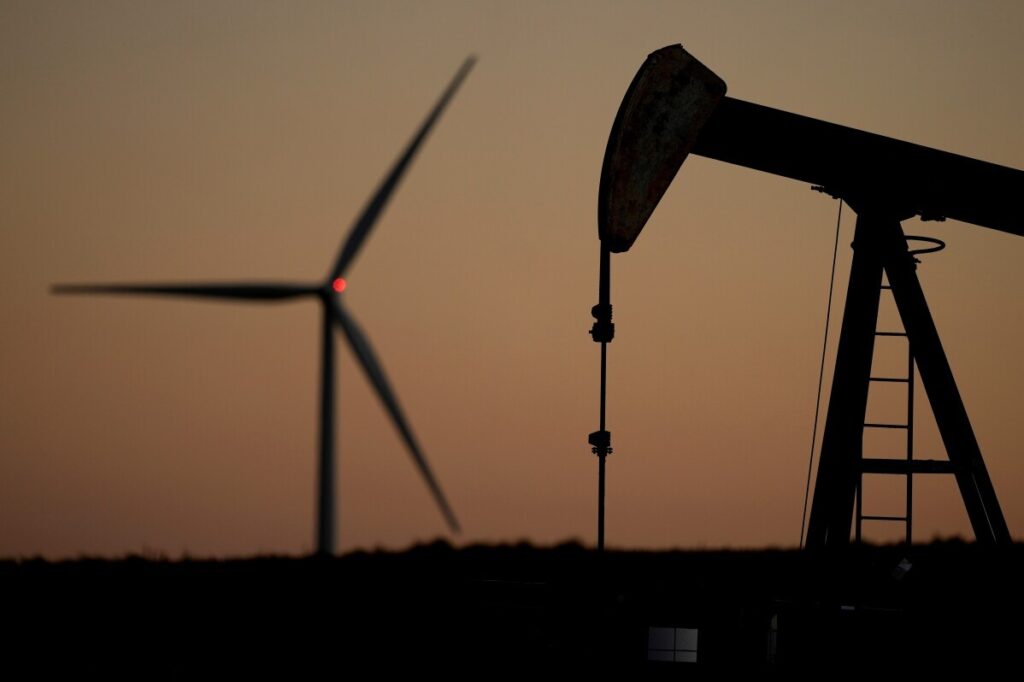
The United Nations’ recent forecast paints a challenging picture for the global economy in the coming years, with growth expected to slow to 2.7% this year—down slightly from previous estimates. While some might see this as just another international report, Americans should recognize how these trends directly impact national economic security and prosperity.
Are U.S. Tariffs a Double-Edged Sword or a Necessary Shield?
The UN economists note an “unexpected resilience” despite sharp increases in U.S. tariffs, which have been implemented as part of efforts to protect American industries from unfair foreign competition. But the report also acknowledges that these tariffs contribute to economic uncertainties worldwide, impacting exports not only abroad but also affecting allied economies like Japan and the European Union.
For too long, Washington’s policies leaned toward open borders for goods and capital without fully accounting for how foreign subsidies and trade imbalances drain American manufacturing jobs. The slight slowdown in global growth reflects the tension between protecting our own workers and navigating complex international markets increasingly shaped by geopolitical friction.
Why Should Hardworking Americans Care About Global Numbers?
Because when Europe, Japan, and other trading partners struggle under diplomatic uncertainty and trade barriers, it creates ripple effects that reach our shores—from job availability to inflationary pressures seen at local grocery stores.
The U.S. economy is projected by the UN to grow by only around 2% this year—a step down from recent years—despite strong consumer spending and technological advances like AI investments. Yet challenges remain: weak residential and commercial construction hint at underlying domestic vulnerabilities that bureaucratic hand-wringing won’t fix.
This report serves as a reminder that economic sovereignty—the ability to control our destiny free from volatile global influences—is paramount to preserving American families’ livelihoods.
Moreover, while large developing nations such as China continue their steady growth trajectories—which come with risks linked to their authoritarian governance—America must remain vigilant against overdependence on unstable supply chains or compromised technologies that threaten national security.
Geopolitical tensions combined with trade uncertainties underscore why America First principles matter more than ever: securing borders extends beyond physical lines; it encompasses safeguarding economic independence against foreign manipulation masked as globalization.
The UN warns of modest growth in Africa and Latin America but highlights high debt levels and climate risks that could create more instability worldwide—and inevitably affect American interests through migration pressures and global market volatility.
It begs the question—how long will Washington tolerate half-measures instead of bold policies embracing full economic self-reliance? For families already struggling with inflationary costs, relying on shaky foreign relationships offers little comfort.