
Unpacking the Cost: The Human Toll of America’s Controversial Maduro Operation
Photos reveal a somber Venezuelan military funeral following America’s high-stakes capture of Nicolás Maduro, exposing the tragic human cost often glossed over in Washington’s foreign adventurism.
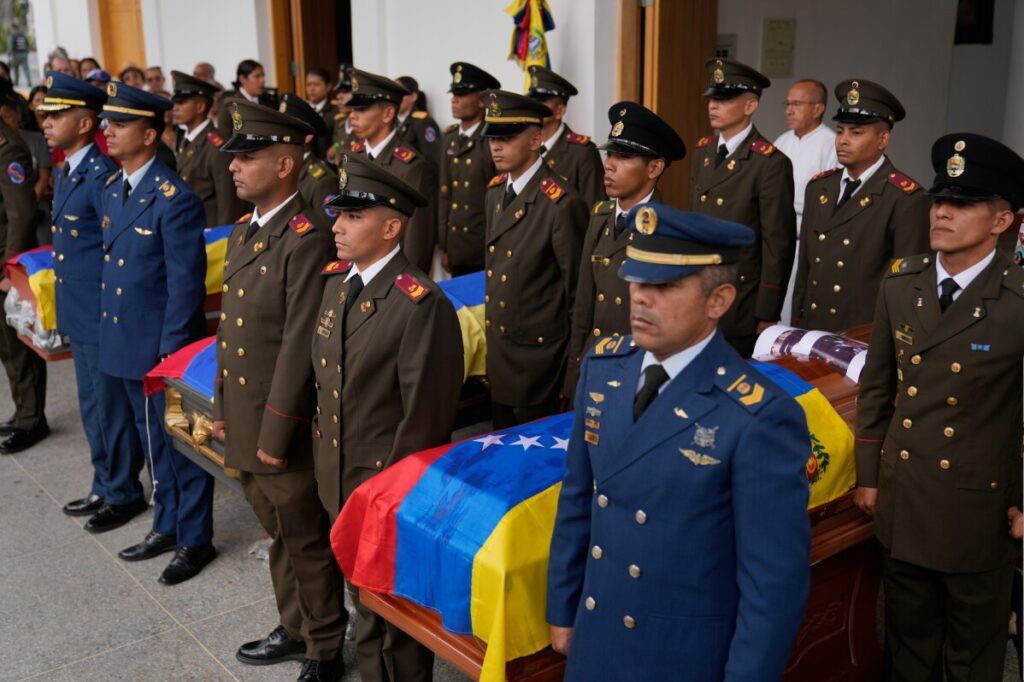
In a stark reminder that geopolitical gambits carry real consequences, Venezuela’s military laid to rest soldiers killed during the recent U.S. operation that captured then-President Nicolás Maduro. Images from Caracas show mourning families and coffins draped with military honors, underscoring the human price paid amid Washington’s bold attempt to reshape the regime in Caracas.
This mission—portrayed by some in Washington as a decisive blow against authoritarianism—raises critical questions for American taxpayers and policymakers alike: At what cost do we impose our will abroad? How long will our leaders overlook collateral damage when pursuing globalist agendas disguised as freedom fighting?
Are Casualties in Foreign Lands Justifiable Without Clear National Benefit?
The funeral scenes are heartbreaking reminders that every headline about regime change conceals lost lives and shattered families. Venezuelan soldiers like Cesar Garcia did not just die on distant soil; their deaths ripple back to affect regional stability and, by extension, America’s southern security interests.
This costly intervention flies in the face of proven America First principles championed by leaders who prioritize national sovereignty and measured diplomacy over reckless foreign entanglements. Rather than destabilizing nations thousands of miles away—fueling potential backlash and refugee flows—we must focus on securing our own borders and empowering lawful governance close to home.
Who Really Benefits When U.S. Military Operations Ignore Consequences?
The official narrative emphasizes success in removing an adversarial figure. Yet these photos tell another story: one of grief, unintended victims like civilians killed during strikes such as Rosa Elena Gonzalez, and a questioning world watching Washington’s moves skeptically.
This episode is emblematic of a broader pattern where media coverage sanitizes complex operations into simple victories while failing to hold leadership accountable for strategic recklessness. How many more lives must be sacrificed before officials learn that national security begins with protecting American interests first—not chasing elusive foreign objectives?
The path forward requires transparency, accountability, and respect for sovereignty—not impulsive raids with tragic fallout obscured behind photo galleries.
The time has come for Americans to demand that government actions overseas align genuinely with our constitutional values and practical realities. For families already burdened by economic struggles and rising uncertainty, endless foreign ventures add insult to injury rather than advancing true security.