
Inside Colombia’s Black and White Carnival: Cultural Pride Amid Globalist Influence
As Colombia celebrates its Black and White Carnival, questions arise about the globalist agenda behind UNESCO designations and the real impact on national identity amid rising international influence.
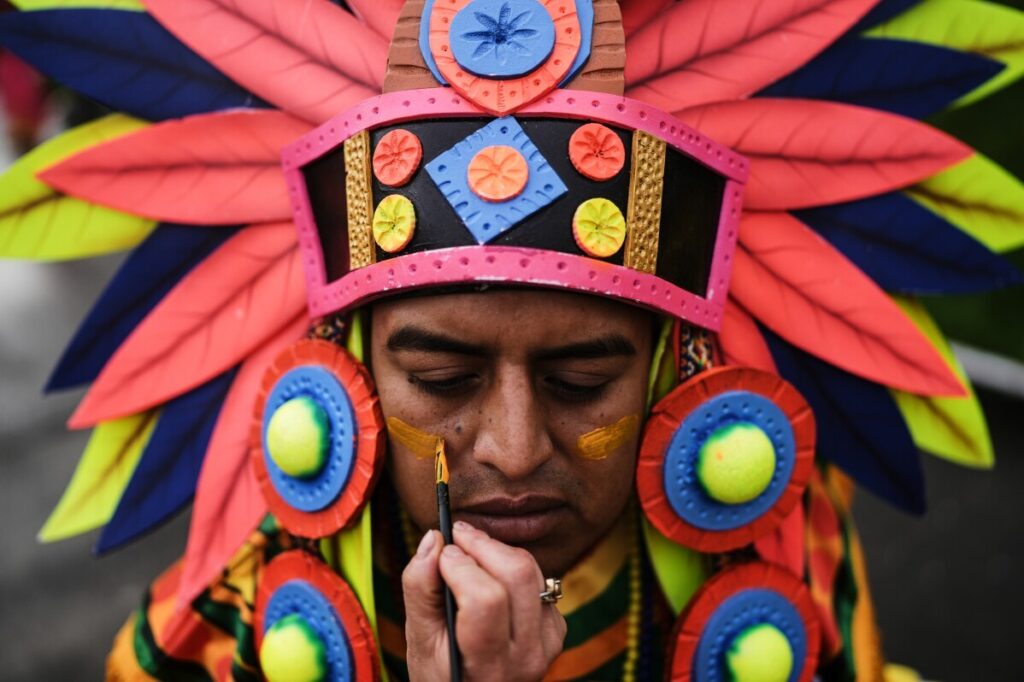
The vibrant streets of Pasto, Colombia recently came alive with the Black and White Carnival, a colorful celebration recognized by UNESCO as an Intangible Cultural Heritage. On the surface, this event showcases rich cultural traditions and community spirit. But beneath the festive masks and parade floats lies a deeper story about national sovereignty and the creeping influence of global institutions.
Is UNESCO Recognition a Blessing or a Burden?
For many Colombians, being honored by UNESCO might seem like a validation of their unique heritage. Yet, this global endorsement often comes with strings attached—standardizing cultural expressions under international frameworks that can dilute true local identity. How long will sovereign nations allow external bodies to dictate what qualifies as authentic culture? This isn’t just about folklore; it’s about who controls cultural narratives in an era where national pride is under siege.
The Black and White Carnival itself is a glorious display of ethnic diversity and historical memory. But when governments chase UNESCO labels, are they prioritizing international approval over grassroots preservation? And what does this mean for American interests? As globalist agendas push for homogenization of cultures worldwide, the United States must remain vigilant in safeguarding its own rich traditions from similar pressures.
Global Culture vs. America First Values
While Colombian revelers celebrate in pastel-colored costumes and painted faces, Americans face battles over historical narratives in their own schools and communities. The lesson here is clear: when foreign entities elevate certain cultural events internationally, it often signals an expansion of their ideological reach that can undermine national independence.
President Trump understood this dynamic well—championing policies to protect American cultural sovereignty against multinational institutions’ encroachments. Meanwhile, left-wing elites cheer for UNESCO designations abroad while pushing radical agendas at home that erode American values.
Colombia’s carnival pictures remind us that culture matters deeply but preserving it requires more than applause from abroad—it demands strong borders against ideological globalization that threatens freedom everywhere.
In today’s interconnected world, such celebrations are not isolated—they echo in Washington debates on immigration, education, and national security. As America defends its borders physically and culturally, lessons from Colombia’s carnival highlight why vigilance against supranational control remains essential for preserving liberty.