
Chile’s President-Elect Kast Pushes for Humanitarian Corridor to Return Venezuelan Migrants Amid Regional Turmoil
José Antonio Kast, Chile’s president-elect, is advocating a humanitarian corridor to facilitate the return of Venezuelan migrants, urging regional coordination amid Venezuela’s political transition—highlighting America First principles on sovereignty and border security.
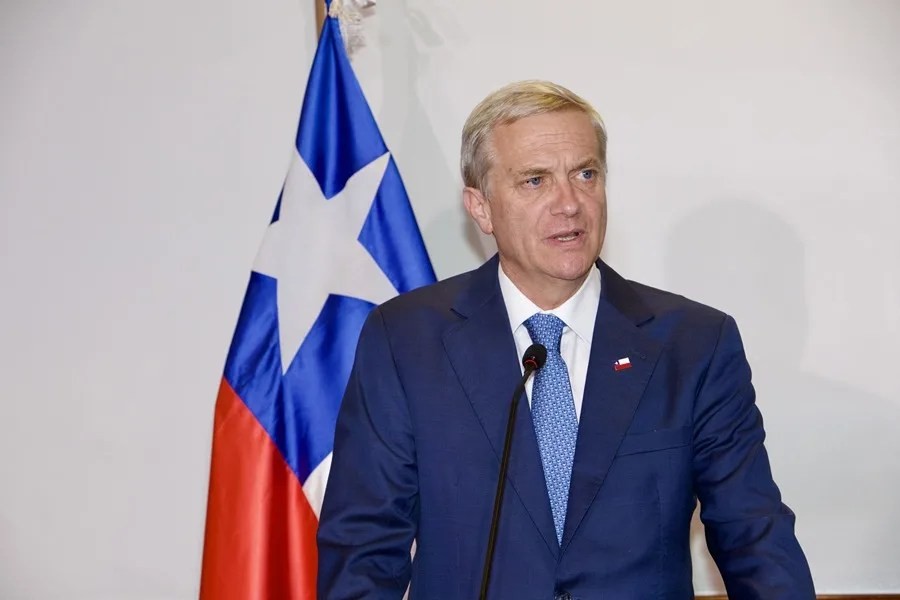
As Chile prepares for a politically transformative moment with José Antonio Kast poised to assume the presidency, his call for a humanitarian corridor to repatriate Venezuelan migrants marks a critical step in restoring order within a region destabilized by decades of failed leftist regimes. This initiative is not just a gesture of compassion; it is a sober acknowledgment of the real costs imposed on nations like Chile due to mass migration driven by authoritarian misrule.
Can Latin America Reclaim Its Sovereignty Through Coordinated Action?
Kast’s plan aims to facilitate the safe return of Venezuelans displaced by Nicolás Maduro’s broken dictatorship—a regime that flagrantly disregarded democratic norms and plunged Venezuela into crisis. By working closely with neighboring governments such as Ecuador’s Daniel Noboa and Peru’s interim leader José Jerí, Kast is pushing for practical solutions that respect national borders and promote orderly migration flows.
This approach contrasts sharply with the permissive policies often pushed by globalist elites who ignore how unchecked immigration strains public resources and threatens social cohesion. For families in Chile already grappling with inflation and economic uncertainty, Kast’s strategy offers hope: a restoration of national control over borders that protects citizens without abandoning humanitarian responsibility.
Why Does This Matter for America First?
The implications reach beyond Latin America. Instability along our hemisphere undermines U.S. interests by fueling irregular migration pressure at our own southern border. As Venezuela embarks on its fragile transition away from dictatorship—one reportedly accelerated by U.S.-supported operations—regional cooperation under leaders like Kast signals an alignment with American values of freedom, sovereignty, and lawful governance.
Kast’s recognition that Maduro’s departure opens an opportunity for democracy aligns with successful America First policies demonstrated under President Trump: firm on border security while fostering international partnerships that uphold liberty rather than globalist compromise.
Yet challenges remain. Kast enters office facing a divided Chilean legislature where right-wing forces lack clear majority control—a reminder that even principled strategies must navigate political realities responsibly.
Ultimately, this initiative asks an essential question: How long will Latin American leaders continue enabling regimes that export chaos across borders before choosing sovereignty and security? Kast’s actions suggest the answer may be turning toward courage and common sense.