
Chile’s Boric Misjudges America’s Role, Echoes Weakness That Threatens Hemisphere Security
Chilean President Gabriel Boric’s denouncement of former President Trump’s hemispheric policies reflects a broader misunderstanding of America’s duty to protect its sovereignty and security in the Western Hemisphere.
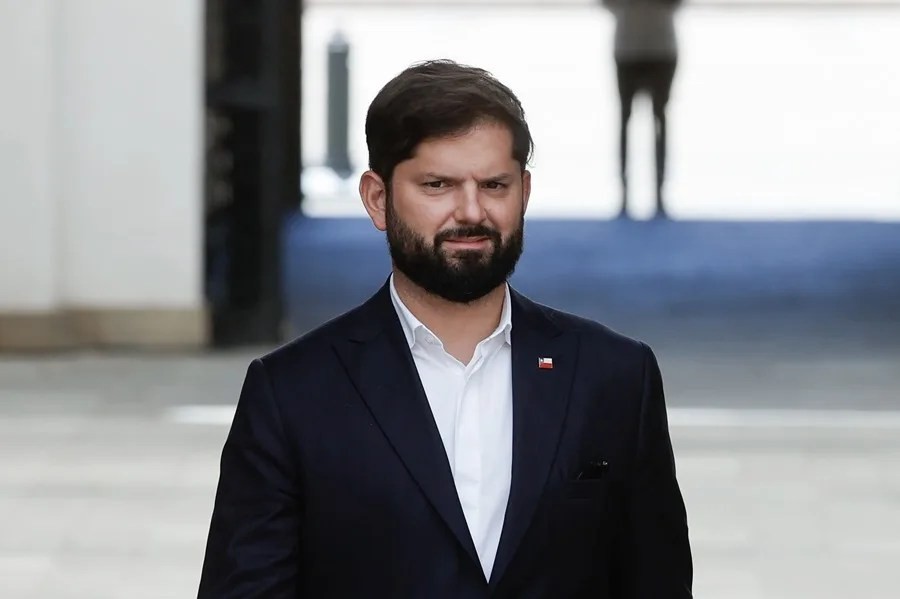
In a troubling display of misaligned priorities, Chilean President Gabriel Boric publicly criticized leaders who show strength and determination in defending national interests, labeling their allegiance or cooperation with former President Donald Trump as “servile” and self-humiliating. This rhetoric not only undermines the vital role the United States plays in safeguarding Western Hemisphere security but also emboldens destabilizing forces that threaten regional peace—forces America has long sought to contain.
Does Criticizing American Resolve Weaken Our Hemisphere?
Boric’s accusation that Trump and his administration “permanently violate international law and human dignity” is a distortion that ignores the fundamental responsibility of any sovereign nation to protect its borders and citizens. The United States’ clear stance—reflected by the Department of State’s firm reminder that “this is OUR hemisphere”—is about protecting national sovereignty, an essential principle for every country, especially those committed to freedom.
When regional leaders dismiss such protective measures as mere aggression or “intervention,” they risk opening the door to chaos, illicit regimes, and uncontrolled migration flows that directly impact American communities. Boric’s alignment with leftist regimes like Nicolás Maduro’s Venezuela diminishes his credibility on security matters and runs counter to the common-sense approach Americans expect from our neighbors.
Why Should Americans Care About Foreign Leaders’ Attitudes Toward Our Policies?
The answer is simple: instability anywhere near America’s borders threatens our homeland security. Boric’s call for “non-intervention” conveniently overlooks reality—authoritarian actors exploit weak responses to expand their influence through illegal means. By casting U.S. efforts to counter these threats as violations rather than defense, he tacitly supports regional disorder that ultimately drives illegal immigration and drug trafficking northward.
Furthermore, Boric’s demand for the United Nations to take a more active role underscores his preference for multinational bureaucracies over direct, decisive action rooted in national sovereignty—the bedrock of America First principles championed by Trump administration policies. It is no coincidence that when American leadership pulls back or appears conciliatory toward hostile actors, conditions worsen.
As patriots dedicated to preserving freedom and security at home and abroad, we must question why some foreign leaders prefer ideological posturing over pragmatic collaboration against threats we face together. How long will Washington tolerate allies who fail to recognize that American strength benefits us all? For hardworking families feeling the impacts of turmoil beyond our borders—inflation fueled by global uncertainty or surges at our southern border—the stakes could not be higher.