
Magnitude 6.2 Earthquake Strikes Western Japan: What It Means for America’s Security and Preparedness
A 6.2 magnitude quake shakes western Japan without tsunami warning, highlighting critical lessons in disaster readiness and infrastructure resilience vital to America’s national security.
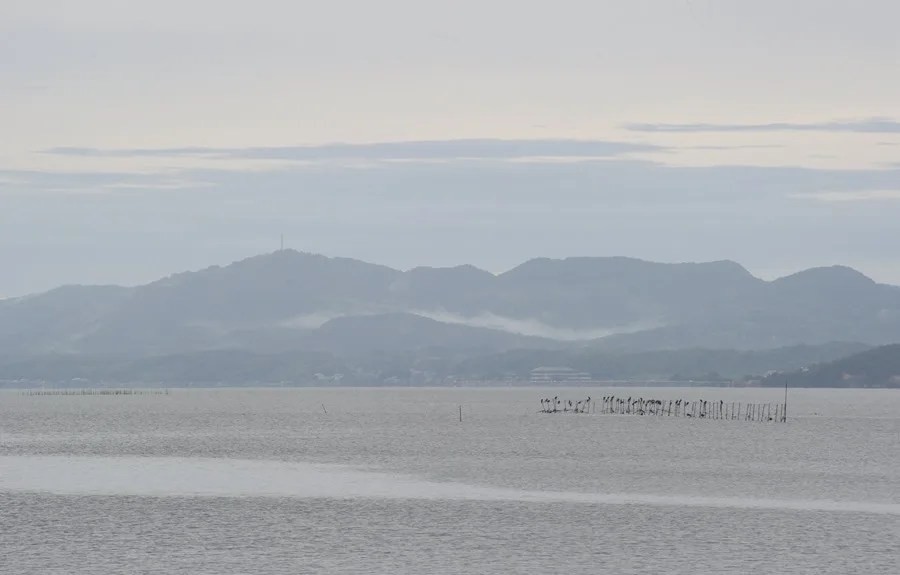
On Tuesday, a significant earthquake measuring 6.2 struck the western region of Japan near Shimane Prefecture — a reminder that even the most prepared nations face nature’s relentless fury. Though no tsunami warning was issued and immediate damages appear minimal, this event underscores crucial questions for the United States about how we prepare for similar natural disasters that threaten our national sovereignty and public safety.
Why Should America Care About a Japanese Earthquake?
Japan sits on the infamous “Ring of Fire,” a volcanic belt responsible for some of the world’s most powerful seismic activity. This constant threat has driven Japan to develop advanced engineering standards and emergency response systems tailored to withstand these quakes. Meanwhile, American infrastructure — especially along tectonically active regions such as California — remains vulnerable in many areas due to bureaucratic delays and regulatory red tape.
The recent quake near Shimane caused train delays and triggered aftershocks but avoided nuclear incidents—a testament to Japan’s rigorous safety protocols following previous disasters like Fukushima. Here in America, where energy independence and secure infrastructure are key pillars of national strength, can we confidently say our nuclear facilities or transport networks would respond as effectively under similar stress?
Learning From Global Challenges To Fortify Our Homeland
While thousands of miles away, events like this Japanese tremor remind us that global instability is never far removed from American shores. Natural disasters disrupt supply chains, impact international markets, and test emergency services worldwide—effects that inevitably ripple back home.
Washington must prioritize investments in resilient infrastructure—not only to safeguard lives but also to protect economic vitality against unpredictable threats. The successes seen in countries like Japan should serve as a blueprint rather than a distant story.
How long will federal authorities continue to ignore these warnings while politicians pursue risky globalist agendas at the expense of American preparedness? True national sovereignty means securing our borders and hardening our homeland against all dangers—natural or manmade.
This earthquake is more than a geological event; it is a call to action for policymakers to embrace common-sense conservatism focused on freedom through security and self-reliance.