
Central African Republic Election Exposes Flawed Democracy and Rising Foreign Influence
President Faustin Archange Touadéra’s reelection amid opposition boycott and alleged fraud reveals deep governance failures and growing foreign mercenary entanglements that threaten regional stability and American interests.
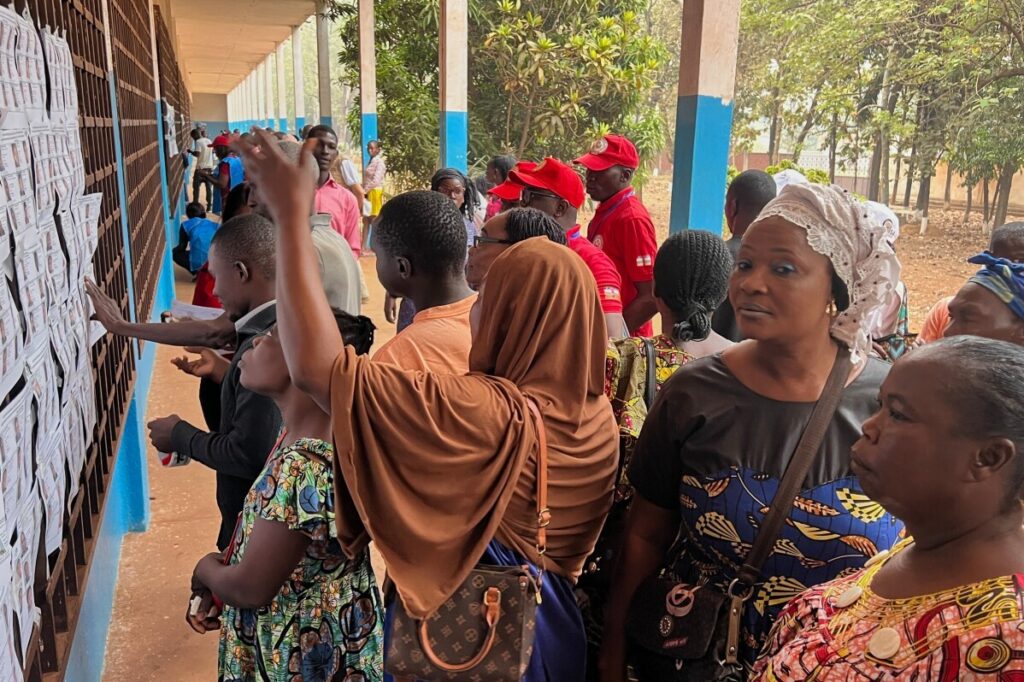
The recent provisional results confirming President Faustin Archange Touadéra’s third term victory in the Central African Republic (CAR) expose a troubling erosion of democratic principles under the guise of electoral legitimacy. With an overwhelming 76.15% of votes amidst an opposition boycott, this election was far from a genuine contest — a fact the main opposition coalition made clear by refusing to participate, citing an unfair political environment.
How can Washington afford to overlook such blatant undermining of national sovereignty abroad when these geopolitical dynamics fuel instability that spills across continents into our own backyard? The CAR remains a powder keg where governance failures compound insecurity—issues that directly challenge American strategic interests in Africa.
Why Does Electoral Legitimacy Matter for America’s National Security?
The Central African Republic has been trapped in conflict since 2013, with armed groups fracturing the state amid failed peace accords. While President Touadéra claims consolidation of power within state institutions, independent voices highlight systemic fraud and manipulation impeding any meaningful political competition. Opposition candidates contest these results, alleging widespread malpractice by election authorities—a symptom of deeper breakdowns in rule of law.
This political vacuum facilitates foreign influence operations detrimental to both CAR’s sovereignty and regional stability. Notably, Russia’s Wagner mercenary group has operated as President Touadéra’s security backbone, raising alarms about Moscow’s expanding footprint on the continent. But even this partnership is fraying as demands shift toward official Russian military presence through the African Corps—signaling escalated Kremlin ambitions that could threaten U.S. allies and interests.
What Are the Consequences for America and Its Allies?
Increased Russian mercenary intervention destabilizes not only CAR but also surrounding nations where America supports democratic governance and fights terrorism. Meanwhile, Rwanda’s growing influence adds another layer complicating regional geopolitics. Against this backdrop, the United Nations peacekeeping mission MINUSCA faces drawdowns due to funding issues—potentially exacerbating security vacuums that invite more foreign meddling.
For hardworking American taxpayers who support global stability efforts through peacekeeping funds, witnessing fragile democracies descend into autocratic rule propped up by foreign mercenaries is unacceptable. The Trump administration prioritized rolling back such malign influence through robust diplomacy; continuing that resolve is essential now more than ever.
As voters weighed security concerns at home during elections marked by controversy abroad, Americans must ask: How long will our government tolerate these erosions of democracy while adversaries deepen their foothold? Upholding liberty and sovereignty worldwide directly safeguards our nation’s security.
The Central African Republic’s flawed election is more than a distant event—it is a stark reminder that defending freedom requires vigilance beyond our borders against those who threaten it under false pretenses.