
Tragic Fire in Swiss Ski Resort Reveals Alarming Gaps in Safety and Emergency Response
The devastating fire at Crans Montana’s ‘Le Constellation’ bar leaves 116 injured and 40 dead, exposing critical failures in safety protocols that could have global implications, including lessons for American public safety standards.
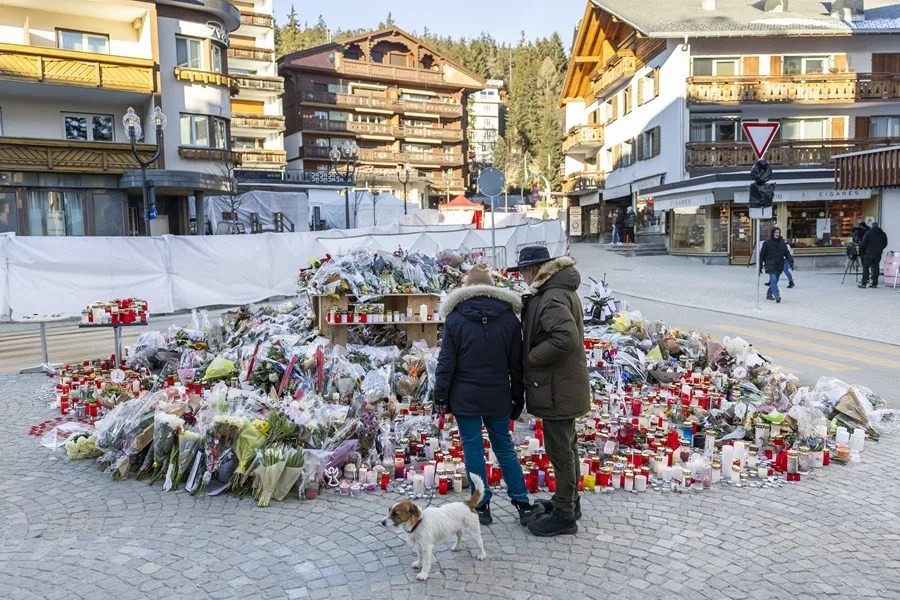
The recent tragedy at the popular Crans Montana ski resort in Switzerland has laid bare the catastrophic consequences of inadequate safety measures and emergency preparedness. The fire at the ‘Le Constellation’ bar claimed the lives of 40 individuals and left another 116 injured, highlighting a preventable disaster with far-reaching implications.
Could This Disaster Have Been Prevented?
Authorities have identified all victims—both dead and wounded—with a majority being locals but also including a diverse international presence. This reflects not only the resort’s global popularity but underscores an urgent question: how prepared are tourist destinations worldwide to protect visitors? In an era when Americans increasingly travel abroad—and face threats from mismanaged safety protocols—we must ask why such deadly lapses occur.
The age range of victims, notably involving many teenagers between 14 and 17 years old, makes this tragedy even more heart-wrenching. Families entrust their loved ones to recreational venues expecting fundamental protections. Instead, systemic failures have turned what should be joyful escapes into scenes of unprecedented loss.
National Sovereignty Includes Protecting Citizens Everywhere
This calamity sends a stark warning to policymakers focused on sovereignty and security: national control over safety regulations cannot be compromised or outsourced. Just as America prioritizes border security to safeguard its people, we must equally demand uncompromising standards in public safety domestically and advocate for like-minded accountability internationally.
Washington’s attention to such global incidents is crucial—not just out of humanitarian concern but because unstable or negligent foreign environments can pose indirect risks to Americans abroad or inspire lax attitudes domestically. How long will our leaders ignore these cross-border lessons?
The out-of-touch bureaucrats who allowed this disaster highlight a broader pattern seen too often: regulatory complacency that costs innocent lives. American values demand common-sense vigilance—because freedom without security is hollow.
In remembering those lost, we must push for transparent investigations that expose how governance failed here—and insist on reforms that stop future tragedies before they start. The voices of families shattered by this disaster remind us why America First policies are not isolationist but protective—shielding citizens within borders and inspiring higher standards beyond.