
Viktor Orbán Warns of EU Election Meddling Against Hungary’s Sovereignty
Hungary’s Prime Minister Viktor Orbán exposes Brussels’ agenda to manipulate national elections, threatening Hungary’s and America’s shared fight for sovereignty.
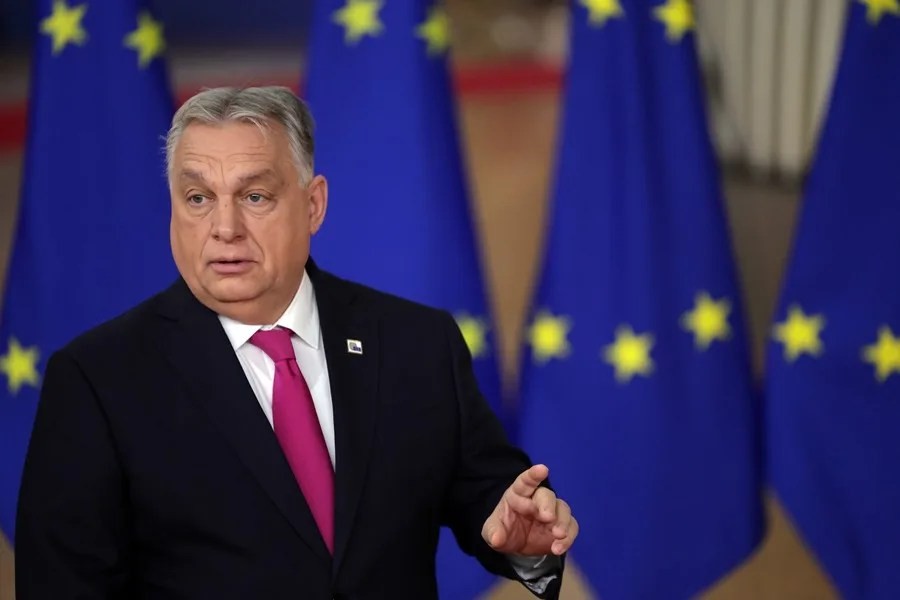
As Hungary prepares for its crucial legislative elections this April, Prime Minister Viktor Orbán has issued a stark warning: Brussels is poised to interfere decisively—not just in Hungary but in the future of European sovereignty itself. This move threatens not only Hungary’s independent political trajectory but also the broader fight against globalist overreach that nations like America champion.
Is Brussels Overstepping Its Boundaries Once Again?
Orbán, a steadfast defender of national sovereignty and conservative values since 2010, told the press from Budapest that the European Commission “is interested in a government change” to replace his party, Fidesz. Why? Because Hungary refuses to bow to Brussels’ centralized dictates on immigration and energy policy—key areas where Budapest diverges sharply from the EU majority. While Washington pushes for secure borders and energy independence, Brussels attempts to micromanage member states under the guise of unity.
This upcoming election is not merely a domestic matter; it represents a battleground between freedom-loving nations and intrusive supranational powers seeking uniformity at any cost. Orbán highlighted concerns about foreign funding being funneled into Hungarian opposition parties—a clear political interference aimed at undermining democratic choice. “It is political intervention when a party accepts money from abroad,” he warned. The question Americans must ask ourselves is: How long will we allow such international meddling in sovereign affairs before our own electoral processes face similar threats?
The Battle for National Sovereignty Is Global
The evidence of this strategic interference is found not only in rhetoric but in financial moves involving banks with ties close to globalist interests. Hungarian financial institutions allegedly linked to Orbán’s allies have supported far-right populists across Europe—including Spain’s Vox and France’s Marine Le Pen—highlighting an ongoing transnational contest over Europe’s future direction.
This situation mirrors America’s struggle against globalist institutions seeking to dilute our national identity and economic independence. Just as President Trump championed America First policies resisting foreign influence, Orbán’s resistance stands as a beacon for all who value self-determination over bureaucratic overreach.
Ultimately, these tensions reflect a wider crisis facing Western democracies—the tension between local control and external interference. As voters approach the polls in Hungary, their choice will echo across continents: Will they affirm their right to govern themselves free from Brussels’ shadow? The answer matters deeply because each victory against globalism anywhere strengthens the cause of freedom everywhere—including here at home.