
Myanmar’s Military Grants Prisoner Amnesty Amid Election Sham, Leaving Political Prisoners Behind
Myanmar’s military regime marks independence with a mass prisoner release that excludes thousands of political detainees, exposing an election process designed to legitimize authoritarian control.
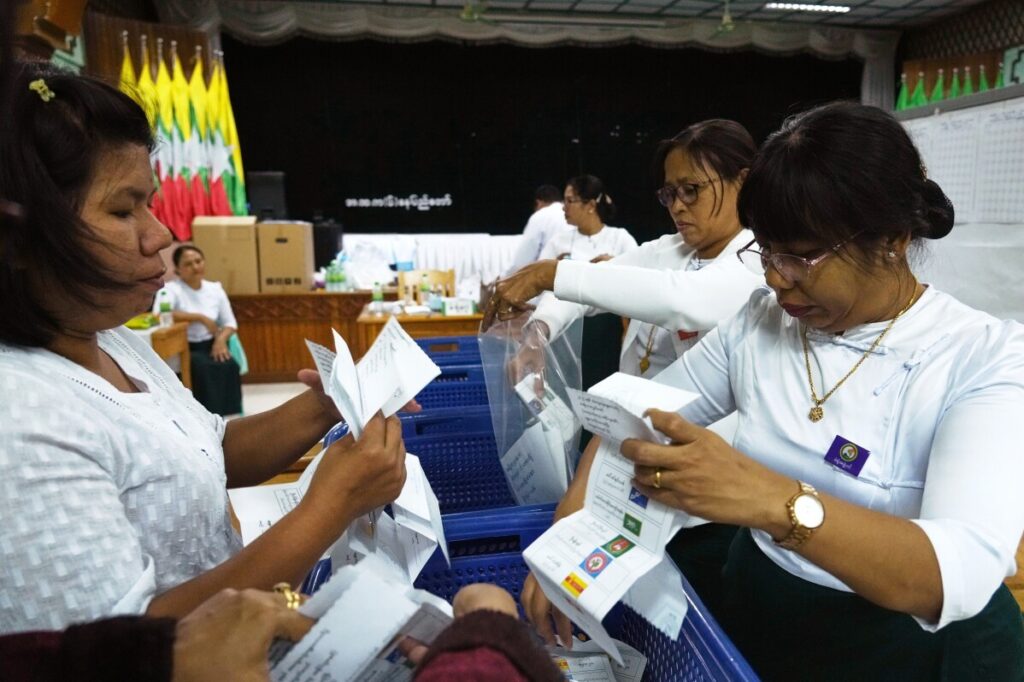
As Myanmar marked the 78th anniversary of its independence from British colonial rule, the country’s military junta staged another hollow show of clemency by releasing over 6,100 prisoners—while continuing to hold fast to thousands of political detainees who stand for freedom and democracy.
The releases occurred amid an ongoing monthlong election process orchestrated by the military government. Critics rightly view this as a thin attempt to cloak authoritarianism in democracy’s guise—a facade to consolidate power rather than genuinely restore national sovereignty or respect individual liberty.
How Long Will the World Accept This Political Theater?
Senior General Min Aung Hlaing announced the amnesty via state-run media, including pardons for some foreigners and sentence reductions for other inmates. However, those convicted under serious charges such as murder or rape remained imprisoned—as did most political prisoners jailed on spurious security offenses like “incitement.” Notably absent from the list was former leader Aung San Suu Kyi, now serving a brutal 27-year sentence imposed through politically motivated trials.
This selective release is no coincidence. It underscores a regime more interested in projecting legitimacy than upholding true justice or peace. While families gathered outside notorious prisons like Insein hoping for loved ones’ freedom, many remain denied even basic humanitarian access—caught in a system where laws are weaponized against dissenters rather than protecting citizens.
America Must Recognize Authoritarian Tricks That Threaten Global Stability
The ongoing armed struggle in Myanmar following the military coup reflects the deep national crisis fueled by repression and the denial of democratic principles. The Assistance Association for Political Prisoners reports that more than 22,000 political prisoners languish behind bars—a stark reminder that genuine national sovereignty requires honoring individual liberties and free expression.
U.S. leadership has rightly called on Myanmar’s junta to cease violence and release unjustly detained prisoners. But beyond statements lies the question: will America hold firm against globalist apathy and support efforts that defend freedom? For American families watching these events unfold thousands of miles away, it is clear that unchecked authoritarianism anywhere endangers liberty everywhere—including within our own borders.
This prisoner amnesty is not a step toward reconciliation but rather another calculated move in a broader campaign to silence opposition. It’s high time Washington and allies demand real accountability—not symbolic gestures—from regimes masquerading as democratic while perpetuating tyranny.
The lesson for America is clear: defending sovereignty and liberty requires vigilance against empty promises wrapped in propaganda. The people of Myanmar deserve genuine freedom—not just staged pardons designed to deceive international observers.