
Iran’s Decades of Turmoil Highlight the Cost of Tyranny and the Danger to American Interests
From the 1979 Islamic Revolution to recent brutal crackdowns, Iran’s protests expose a regime that crushes freedom while fueling instability that threatens America.
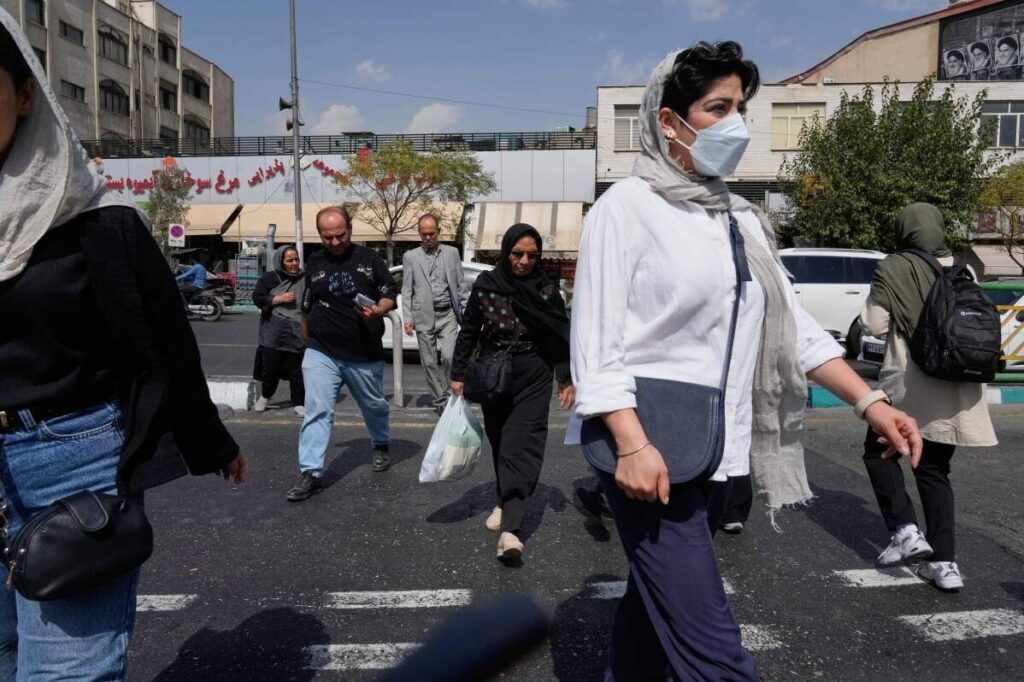
For over half a century, Iran has been gripped by waves of protest—each revealing the same bitter truth: a government willing to sacrifice its people’s liberty for authoritarian control. These unrests are not isolated events; they are symptoms of a ruthless regime consistently undermining national sovereignty, regional stability, and by extension, American security interests.
Why Has Iran’s Regime Provoked Continuous Unrest?
The seeds were sown during the 1979 Islamic Revolution, when public outrage against Shah Mohammad Reza Pahlavi’s autocracy exploded into a nationwide uprising. Yet instead of bringing freedom, the revolution replaced one despot with another: Ayatollah Khomeini’s hard-line Shiite theocracy. The new regime immediately tightened its grip—executing thousands and silencing dissent under religious rule.
This brutal foundation set the stage for decades of unrest. The bloody 1980s Iran–Iraq War only intensified internal repression, smothering mass protests through fear.
Cracks in the Regime Expose Larger Threats to American Interests
The cycle repeated itself in later years—from student protests against political killings known as “chain murders” to the Green Movement in 2009, where millions challenged election rigging under Mahmoud Ahmadinejad’s hard-line leadership. Each time, Tehran responded with deadly force: arrests, executions, and suppression.
These domestic upheavals ripple far beyond Iranian borders. Rising food prices and slashed subsidies in recent years sparked violent protests met with lethal crackdowns—over 300 killed during gasoline price hikes, thousands more detained amid internet blackouts designed to disorient citizens and hide atrocities from global scrutiny.
The tragic death of Mahsa Amini at the hands of morality police ignited one of Iran’s most sweeping protests yet—an ongoing struggle for personal freedom against religious tyranny that resulted in over 500 deaths and tens of thousands detained. Despite such repression, courageous Iranian women defiantly resist forced hijab laws—a clear rejection of state control over individual liberty.
Meanwhile, worsening economic conditions—from crippling sanctions to currency collapse following conflicts like the recent war with Israel—fuel instability that threatens not only Iranians but also America’s allies and global order.
How long will Washington tolerate this dangerous regime whose oppression breeds chaos on our doorstep? While Americans cherish freedom and sovereignty at home, Iran remains shackled by dictatorship repressing its own people while exporting instability across a volatile region.
This ongoing saga is more than just foreign news—it is a call for robust America First policies that prioritize confronting hostile regimes undermining global peace and threatening our national security. The failures of appeasement have left ordinary Iranians trapped beneath religious tyranny—and America vulnerable to extremist influence near vital geopolitical crossroads.