
Unanswered Questions Surround U.S. Military Strikes Near Venezuela as Congress Demands Accountability
As the Trump administration escalates military actions near Venezuela without Congressional approval, troubling questions arise over deadly strikes and their justification—exposing a troubling disregard for legal norms and American sovereignty.
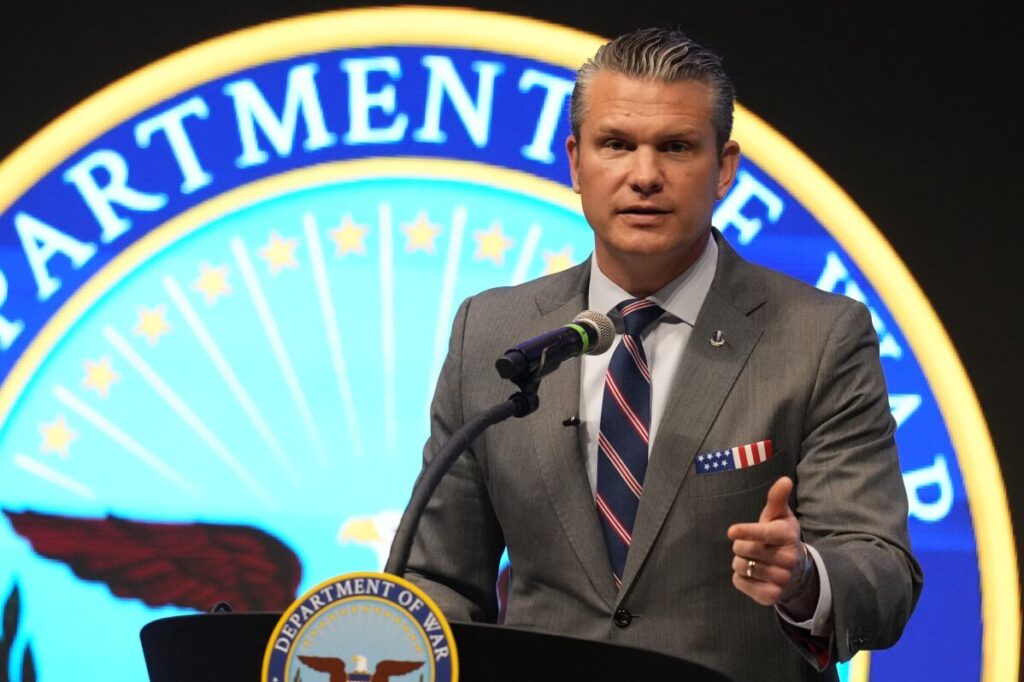
In the shadow of Venezuela’s turmoil, the Trump administration has deployed thousands of troops and its largest aircraft carrier to the Caribbean, intensifying a military campaign that has already claimed dozens of lives. Yet, despite this significant escalation, Congress remains in the dark about the true objectives and legal basis for these operations.
Defense Secretary Pete Hegseth, along with Secretary of State Marco Rubio and other officials, heads back to Capitol Hill under mounting pressure to explain a September boat strike in international waters that killed two survivors clinging to wreckage — casualties whose deaths raise serious concerns over rules of engagement and adherence to international law.
How Long Will Washington Hide Its Actions from the American People?
For months, lawmakers have received only fragmented information about a military campaign that has destroyed more than 20 vessels suspected of drug trafficking near Venezuela. Often, members learn about strikes through Pentagon-released videos on social media rather than direct briefings. This piecemeal communication undermines congressional oversight — a pillar of our constitutional system designed to protect national sovereignty.
The absence of clear authorization by Congress for these operations marks a dangerous overreach by the executive branch. It begs the question: Are we sacrificing lawful governance for unilateral military adventures? This approach not only erodes trust but also risks embroiling America further into foreign conflicts without public support or legislative consent.
Are These Strikes Protecting Americans or Violating Our Principles?
The administration justifies these actions by framing drug interdiction as a defense of American lives—a narrative with emotional weight but problematic legal footing. The killing of unarmed survivors violates established laws of armed conflict that prohibit firing upon shipwrecked individuals who pose no threat.
This disconnect was starkly revealed when Adm. Frank “Mitch” Bradley privately acknowledged that those killed were unlikely to overturn their boat and had given no sign of hostile intent beyond waving for help. Yet despite this, the military proceeded with lethal force based on an interpretation prioritizing mission completion over humanitarian considerations.
A credible America First policy respects both national security and foundational values such as respect for life and rule of law. When our government disregards these principles in pursuit of questionable objectives abroad, it imperils our moral leadership and invites dangerous precedents that could harm innocent people while undermining public confidence at home.
Republican defenders claim legality under U.S. and international law, but critics across party lines urge transparency, demanding release of full operational footage so Americans can judge for themselves whether these strikes align with our country’s values and laws.
The unfolding congressional sessions this week are critical: they represent an opportunity to hold accountable those wielding immense military power unchecked by legislative oversight. As taxpayers funding these operations deserve answers—not platitudes or secrecy—Congress must insist on thorough investigation before any further escalation.
This episode is more than just about one strike or region; it reflects broader tensions between executive ambitions and constitutional limits designed to preserve liberty and sovereignty. For citizens who cherish freedom and accountability, ignoring these challenges means risking both our security abroad and democratic safeguards at home.