
Sen. Cruz Leads Charge to Restore Military Flight Safety After Deadly D.C. Collision
In the wake of a tragic midair collision that claimed 67 lives, Sen. Ted Cruz pushes to reinstate critical military flight location broadcasting rules stripped from the defense bill, warning that Washington’s delays put American lives at risk.
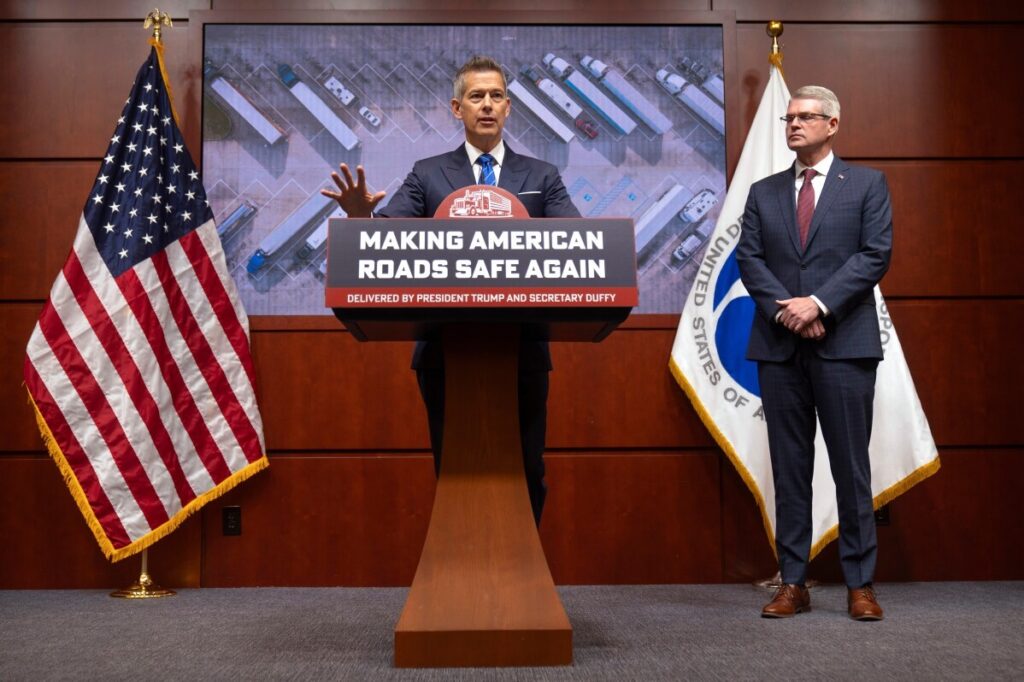
The catastrophic midair collision over Washington, D.C., in January—resulting in the loss of 67 innocent lives—exposed glaring weaknesses in our national airspace management. Yet months later, those lessons risk being erased by last-minute legislative maneuvers that dangerously roll back proven safety measures.
How Did We Allow Safety to Be Undermined After Such a Tragedy?
Senator Ted Cruz is sounding alarms about provisions quietly inserted into a sprawling defense bill that would permit military aircraft to fly without broadcasting their precise locations—a critical system known as ADS-B (Automatic Dependent Surveillance–Broadcast). This rollback reverses actions championed by President Trump and Transportation Secretary Sean Duffy designed explicitly to safeguard airspace around our nation’s capital.
Before the January crash, military helicopters routinely skirted essential tracking requirements near Ronald Reagan National Airport, contributing to nearly 85 near misses documented by investigators. The fateful collision between an Army Black Hawk helicopter and a commercial airliner was not an unforeseeable accident but a predictable consequence of lax standards and regulatory exceptions.
Why Does Washington Ignore Clear Calls for Accountability and Security?
Cruz’s efforts—in partnership with Democratic Senator Maria Cantwell and backed by victims’ families, the FAA, NTSB, and transportation unions—seek to remove these dangerous waivers entirely through legislation known as the ROTOR Act (Rotorcraft Operations Transparency and Oversight Reform). Yet politics complicate urgency: amending the defense bill now risks delaying pay raises for soldiers and other vital provisions, forcing Cruz’s team to pivot toward reimposing restrictions as part of broader government funding measures next month.
This bureaucratic tug-of-war puts national security—and American lives—on hold. How long will lawmakers prioritize political convenience over concrete action to protect our skies?
Families like Amy Hunter’s poignantly warn us that undoing these reforms threatens the very progress painstakingly achieved since Trump’s administration took decisive steps following National Transportation Safety Board recommendations. Our freedom and security demand more than hastily crafted loopholes; they require steadfast enforcement of common-sense regulations that defend every American traveling above our capital.
As Senate Majority Leader John Thune acknowledges, reversing dangerous measures after passage will be difficult—but surrendering safety standards is not an option Americans can afford. The stakes are clear: safeguarding our national sovereignty includes protecting the airspace we all rely on daily.
American families deserve accountable leadership that puts their safety first—not last-minute legislative shortcuts risking another tragedy. Will Congress act before more lives are lost?