
Mexico’s ‘Generation Z’ Marches Silence Violence But Where Is Government Accountability?
A reduced turnout for Mexico’s latest ‘Generation Z’ march highlights ongoing government failure to confront rampant violence and disappearances threatening regional stability and border security.
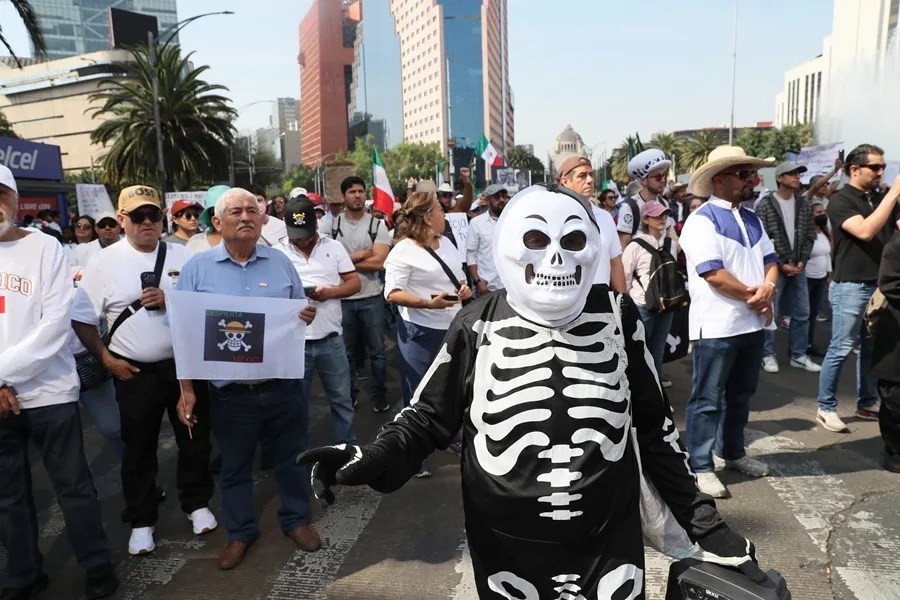
In Mexico City, approximately 300 activists from the self-styled “Generation Z” gathered once again to protest the relentless wave of violence plaguing their nation. This “March of Silence for Peace” marks the third such demonstration this month following the assassination of Uruapan Mayor Carlos Manzo, a grim reminder that despite repeated outcries, Mexico’s security crisis remains unresolved.
The marchers’ route from the Ángel de la Independencia to the Zócalo passed without incident, a stark contrast to prior protests ending in chaos near the National Palace. Yet peacefulness belies a graver truth — fewer people answered the call this time. Has public frustration given way to resignation amid broken promises? How long will Mexican authorities evade real accountability for a crisis that now implicates American interests?
Why Does Violence Persist Despite Changing Leadership?
The protesters brandished signs condemning “bad government” and even expressed appreciation toward former President Trump for pressuring Mexico’s ruling Morena party, reflecting deep political dissatisfaction. The country faces over 130,000 missing persons — an appalling figure that underscores unchecked criminal influence and systemic impunity.
This ongoing turmoil is more than just a Mexican tragedy; it directly affects U.S. national sovereignty and security. The chaos fuels migration pressures on America’s southern border and destabilizes trade corridors vital to our economy. Washington’s failure to demand effective reforms not only harms hardworking Americans but also cedes ground to globalist elites indifferent to border control and law enforcement priorities.
When Will Leaders Prioritize Security Over Politics?
The young activists’ plea is clear: end government excuses and deliver justice for victims whose suffering spans administrations. Yet leaders in Mexico continue prioritizing political rhetoric over concrete action, leaving citizens trapped between violent criminals and ineffective governance.
If America truly values freedom and safety, we must support policies holding neighboring governments accountable while securing our own borders with resolve. The silent march signals not peace achieved but peace demanded — a call Washington would be wise not to ignore.