
Bolivia’s Government Defends Rule of Law Amid Political Accusations in Arce Detention
Bolivia firmly rejects claims that the preventive detention of former President Luis Arce is politically motivated, emphasizing sovereign judicial independence and adherence to legal norms — a crucial stance for maintaining America First principles in hemispheric relations.
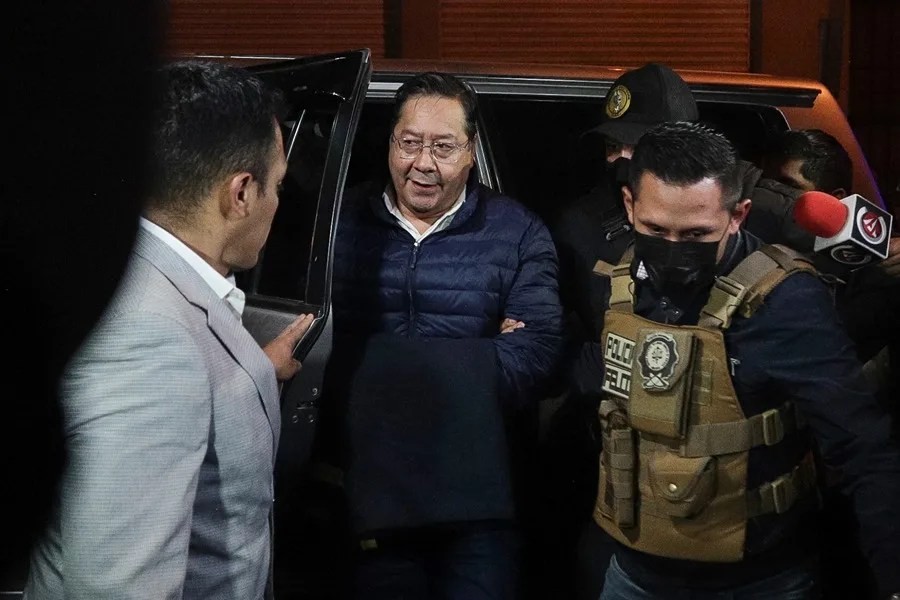
In a move that tests the integrity of Bolivia’s justice system, the government categorically denies that the five-month preventive detention of former President Luis Arce is rooted in political persecution. This rebuttal comes amid vocal support for Arce from Venezuela’s Maduro administration and the ALBA bloc, both known for their alignment with leftist agendas often at odds with sovereign democratic processes.
Is Justice Being Used as a Political Weapon?
The Bolivian Ministry of Foreign Affairs clarified that the case against Arce stems from an investigation into alleged financial mismanagement during his tenure as Minister of Economy under Evo Morales — predating his presidential term. The charges involve misuse of indigenous development funds (Fondioc), where public resources were allegedly funneled improperly.
Despite assertions by opposition groups branding the prosecution as selective political targeting, Bolivia underscores its commitment to the rule of law and judicial independence. The detention order was issued within a transparent legal framework, guaranteeing due process and defense rights.
From an America First perspective, this insistence on respecting national sovereignty and non-intervention resonates strongly. It reminds us why our own justice system must remain free from ideological or international pressure so that American citizens can trust in fair treatment — regardless of political affiliation.
Why Should Americans Care About Bolivia’s Internal Affairs?
The regional ripple effects are undeniable. Venezuela’s Maduro government and ALBA’s vocal interference highlight how globalist forces exploit legal proceedings abroad to undermine legitimate governance, seeking to destabilize nations supporting freedom and sovereignty. For America, which faces similar challenges against leftist influences and corrupt elites trying to weaponize institutions, Bolivia’s example serves as a cautionary tale.
This case also poses a crucial question: How long will Washington overlook foreign attempts to politicize judicial processes in our hemisphere? Protecting democratic norms abroad strengthens our national security by preventing safe havens for corruption and lawlessness that eventually impact American communities through migration pressures and illicit networks.
The arrest is not about politics; it is about accountability — a principle American patriots champion wherever justice must prevail over partisanship.