
Bondi Beach Massacre Exposes Lax Gun Control and Rising Extremism—How Long Will Australia and America Ignore the Warning?
The tragic mass shooting at Sydney’s iconic Bondi Beach reveals dangerous cracks in gun control enforcement and the growing threat of extremist violence—lessons America cannot afford to overlook.
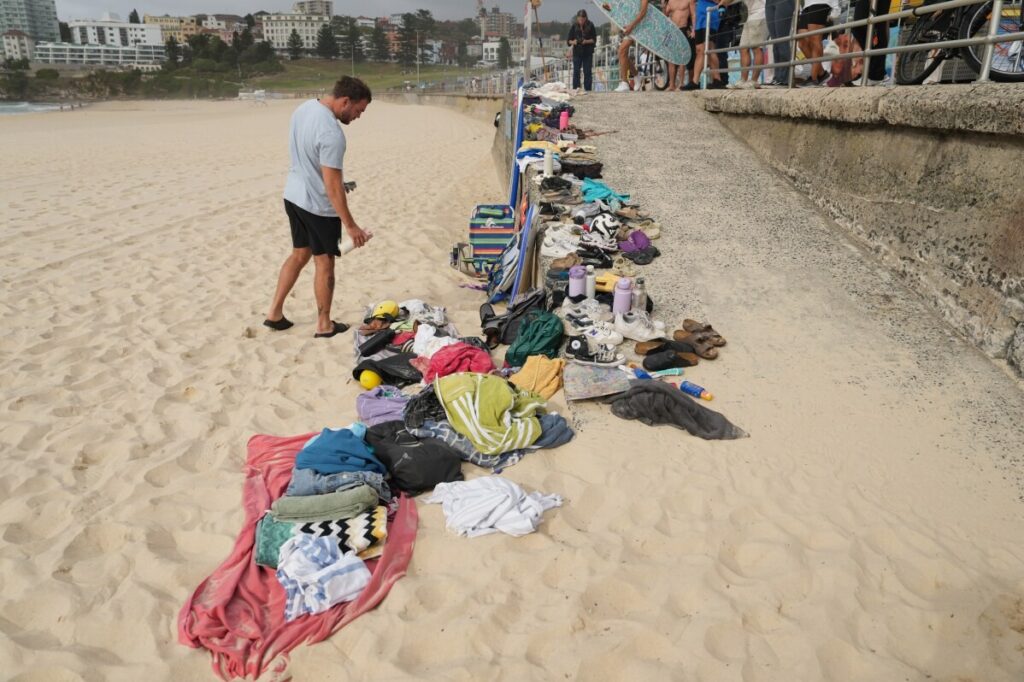
On what began as a serene summer evening at Sydney’s beloved Bondi Beach, a brutal massacre shattered the peace, leaving families shattered and communities questioning how such atrocities could happen in a nation with strict firearm laws. For years, Bondi symbolized relaxed Australian culture—a beacon of unity where children played freely, Jewish families celebrated Hanukkah together, and tourists mingled without fear. All that changed when two men opened fire indiscriminately on innocent men, women, and children.
This attack was no random act of violence; it reflected a disturbing rise in antisemitic extremism—an ideology that threatens not only Australia’s social fabric but also global democratic values. The shooters’ targeted assault on a joyful Hanukkah celebration brings chilling echoes from darker chapters of history, reminding us that hatred knows no borders.
What Does This Tragedy Teach About National Security and Sovereignty?
Despite Australia’s strict gun control laws enacted after the devastating 1996 Port Arthur massacre, this incident reveals glaring enforcement gaps. The fact that six legally owned firearms were recovered from one shooter should prompt serious scrutiny about licensing protocols—because legal ownership too often becomes legal risk for the community.
For Americans watching from afar, the tragedy underscores the critical importance of robust background checks and community vigilance to prevent radicalization. How long will Washington continue to ignore lessons from abroad about homegrown hate turning deadly? The common-sense conservative principle of putting citizens’ safety first demands we never become complacent.
The Courage That Defines True Community Amid Chaos
Among the horror emerged stories of extraordinary bravery: Ahmed al Ahmed, a fruit vendor who disarmed a gunman; lifeguards rushing barefoot towards danger armed with first aid kits; neighbors shielding children beneath picnic tables. These moments remind us that true strength comes from individuals committed to protecting their communities without waiting for government intervention.
Yet even as heroism shines through grief, questions remain about government accountability. Rebecca’s feeling of abandonment by authorities who ‘turned a blind eye’ to rising antisemitism is echoed across free nations grappling with extremist threats infiltrating peaceful neighborhoods.
Australia’s experience must serve as an urgent call—not just for Canberra but for Washington—to prioritize national sovereignty by safeguarding citizens against ideologies that seek to divide and destroy from within.
The time to act is now. Strengthening border security against illicit arms trafficking, enhancing law enforcement resources dedicated to tracking extremist groups, and ensuring swift justice for hate crimes are pillars of protecting our liberties and way of life.
The question facing all freedom-loving nations is stark: Will we learn from Bondi’s tragedy or wait until such darkness reaches our own shores? For families standing in solidarity against hate today, tomorrow depends on our resolve.