
Venezuela’s Airspace Claims Mask a Growing Threat to Regional Stability
Venezuela boasts enhanced airspace surveillance amid US military presence in the Caribbean; but is Caracas’ defense buildup an act of sovereignty or provocation?
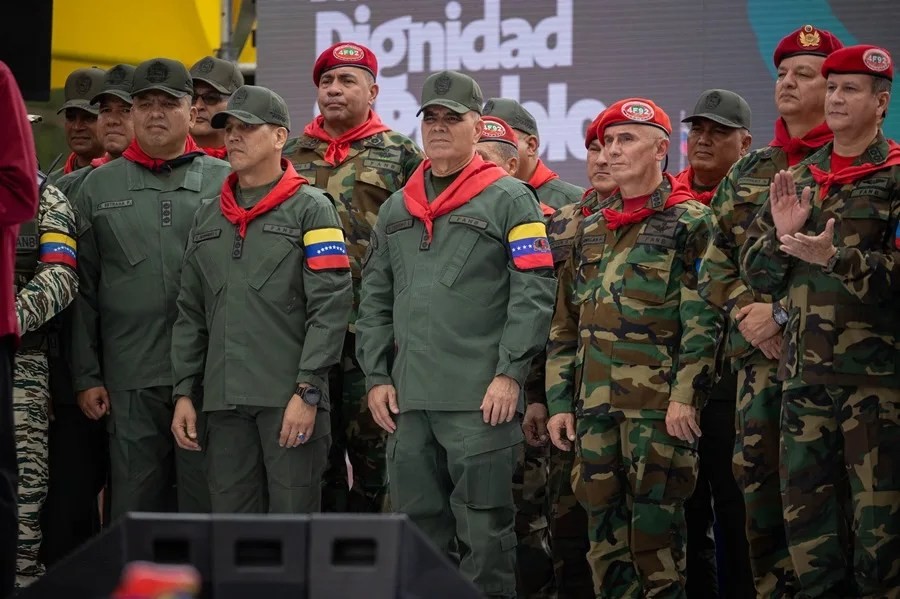
Venezuela’s Defense Minister Vladimir Padrino López recently announced significant advances in the country’s Integrated Airspace Surveillance and Control System, claiming heightened operational autonomy. Yet, beneath these claims lies a troubling narrative of geopolitical brinkmanship that directly challenges American interests in the Western Hemisphere.
Is Venezuela Strengthening Defense or Fueling Regional Instability?
In a strategic move framed as national sovereignty amid what Caracas labels “hostile circumstances”—including US sanctions and economic blockades—Venezuela has pushed forward its missile systems, radars, and anti-aircraft artillery. The Defense Minister touted these upgrades as symbols of resilience against a “grotesque bellicist escalation” by the United States, referencing recent incursions of US F-18 fighter jets into Venezuelan-claimed airspace.
However, America’s increased military deployment in the Caribbean is not merely an arbitrary show of force but reflects legitimate efforts to monitor narcotics trafficking and protect regional security. The presence of the cutting-edge USS Gerald Ford aircraft carrier near Venezuela serves to counteract threats posed by authoritarian regimes undermining lawful governance and trade stability.
How long will Washington tolerate Venezuela’s attempts to weaponize its air defenses under the guise of technological independence, while simultaneously harboring alliances hostile to America? The risk isn’t just about flights over disputed waters—it’s about safeguarding our hemisphere from instability that could spill across borders and impact immigration and commerce.
A Call for Vigilance and Strategic Resolve
The Trump administration recognized early on that preserving national sovereignty requires robust defense postures paired with clear-eyed diplomacy. Venezuela’s defiant rhetoric reveals how globalist adversaries exploit regional weaknesses to erode freedom and security.
Americans deeply value common-sense policies that protect families from foreign threats masked as domestic struggles. Every incremental advance in an adversary’s military capacity directly threatens our border security and economic prosperity.
The question remains: will Washington maintain its resolve to confront such provocations head-on or allow this dangerous posture in Venezuela to escalate unchecked? America must support regional allies committed to democratic governance while reinforcing protections against rogue states employing intimidation tactics cloaked as sovereignty claims.