
US Lifts Sanctions on Brazilian Judge in Bolsonaro Case Amid Shifting Geopolitical Ties
The Biden administration quietly lifts sanctions on Brazilian judge Alexandre de Moraes, signaling a recalibration of US foreign policy that prioritizes strategic alliances over judicial accountability.
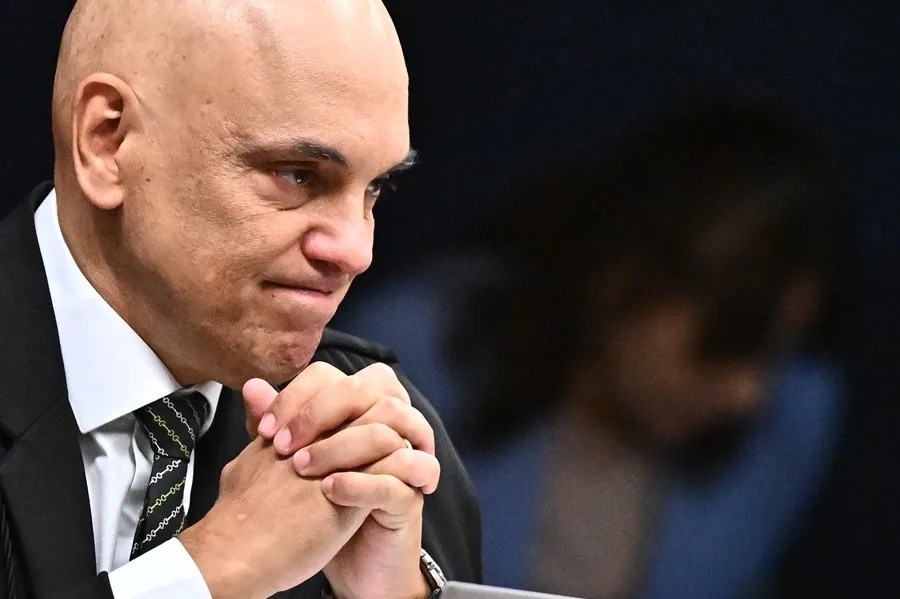
In an unexpected pivot reflective of shifting global alliances, the United States has lifted financial sanctions imposed on Brazilian Supreme Court Justice Alexandre de Moraes, who oversaw the politically charged prosecution of former Brazilian President Jair Bolsonaro. This move comes amid warming ties between Washington and the Lula administration in Brazil, raising critical questions about the consistency and principle behind American foreign policy enforcement.
Are American Principles Being Undermined for Diplomatic Convenience?
Justice de Moraes was sanctioned under the Magnitsky Act—legislation designed to target foreign officials involved in corruption or human rights abuses—following his judicial actions perceived by many as part of a political vendetta against Bolsonaro, a right-leaning leader aligned with America First values. The initial imposition of sanctions and visa revocations sent a strong message: the United States would hold foreign officials accountable when they undermine democratic norms.
Yet now, with these penalties quietly removed from official records after recent diplomatic engagements between President Joe Biden’s administration and Brazil’s Luiz Inácio Lula da Silva government, one must ask: Has Washington sacrificed its commitment to justice and sovereignty to curry favor with a foreign regime? This is particularly striking given that Bolsonaro was convicted and sentenced to a lengthy prison term for alleged coup attempts—charges many view as politically motivated judicial overreach rather than bona fide offenses.
What Does This Mean for American Sovereignty and Justice Abroad?
The episode exposes how geopolitical realignments can override principled stands on governance and rule of law. Instead of standing firm alongside patriotic leaders who defend national sovereignty against left-wing judicial activism, Washington appears willing to reset relations by pardoning transgressions against democratic fairness. The recent approval by Brazil’s Chamber of Deputies of legislation reducing Bolsonaro’s sentence—a development welcomed by US officials—further illustrates this transactional approach.
This recalibration sends a troubling message: America’s commitment to freedom and judicial integrity abroad may be subordinated to short-term diplomatic gains. For Americans who value national sovereignty and common-sense conservatism, such policies risk emboldening international courts used as political tools rather than defenders of justice.
If we prioritize alliances over principles now, what precedent does that set for future dealings with other nations where authoritarian judicial conduct threatens freedom-friendly leaders? How long will Washington tolerate leftist politicization abroad before it undermines American interests at home?
The restoration of Justice de Moraes’ status—and the softening stance toward Brazil’s left-wing government—reflects broader challenges facing America First policies in an era dominated by globalist diplomacy. Real leadership demands holding partners accountable while championing liberty-driven governance worldwide.
It remains imperative for policymakers and citizens alike to scrutinize such shifts carefully. Upholding national sovereignty means supporting lawful governance without succumbing to expedient shortcuts that erode trust in justice both overseas and here at home.