
Tragic Roller Coaster Death at Universal Studios Exposes Glaring Safety Oversights
Kevin Rodriguez Zavala’s accidental death on a high-speed Universal Studios roller coaster highlights alarming safety lapses and the urgent need for stricter oversight—how long will corporate negligence put American lives at risk?
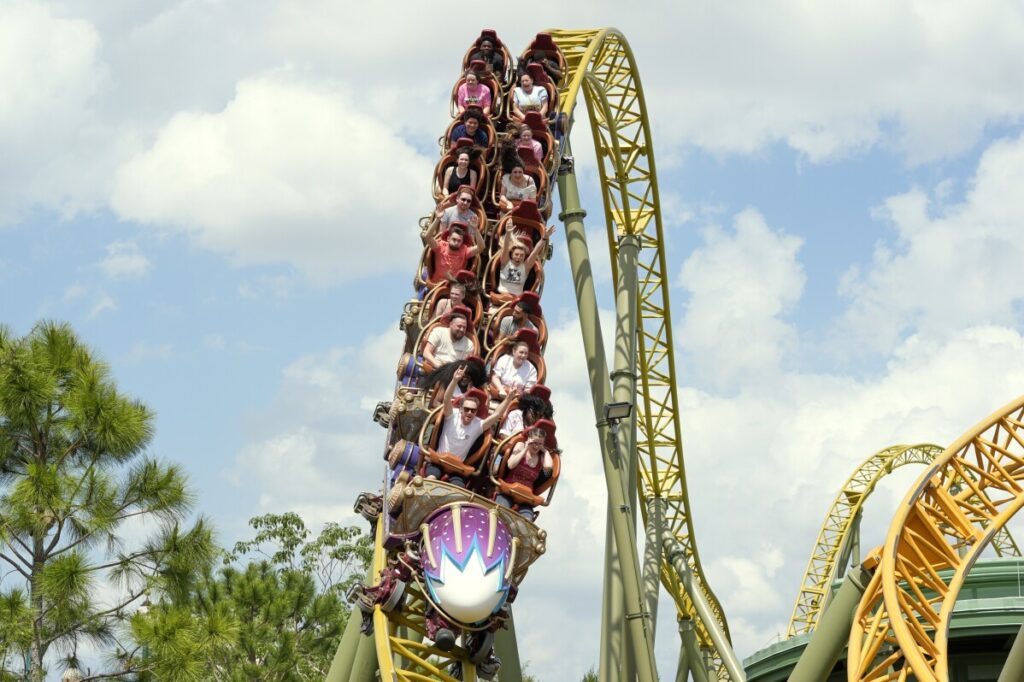
On a day meant for thrill and fun, tragedy struck at Universal Studios Orlando when 32-year-old Kevin Rodriguez Zavala lost his life after riding a high-speed roller coaster. The Orange County Sheriff’s Office has ruled the death accidental, but a deeper look into this incident reveals troubling questions about ride safety and operator preparedness that demand immediate attention.
Could This Tragedy Have Been Prevented?
Security footage paints a grim picture: Zavala appeared engaged and well as the ride started but ended unresponsive and slouched over in his seat, bleeding from the face with his body contorted. Eyewitnesses, including medical professional Dr. Anna Marshall, described gruesome injuries such as a broken thigh bone visible while he remained trapped in the ride seat secured only by a lap bar. Shockingly, operators struggled for nearly ten minutes to release him from the restraint.
Zavala was a wheelchair user with prior spinal surgery involving metal rods—yet both medical personnel present and his family emphasize that his disability was not the cause of death. His girlfriend recounted disturbing moments where ride staff had difficulty securing the lap restraint properly at boarding, followed by multiple head injuries during the ride itself. Despite her desperate calls for help during the ordeal, no assistance arrived until they neared the station platform.
What Does This Say About Theme Park Safety Regulations?
The roller coaster in question reaches speeds up to 62 mph and represents one of Universal Orlando Resort’s newest attractions. But does innovation come at a cost when safety protocols fall short? The protracted delay in freeing an injured guest and inconsistent restraint management raise serious concerns not only about operator training but also about whether existing regulations adequately protect visitors.
This incident forces us to ask: How many more American families must suffer preventable loss before regulators hold corporations accountable? While Universal quickly labeled this accident isolated, patterns of theme park safety oversights have emerged nationwide—often overshadowed by glitz and corporate marketing.
In an America First framework focused on national sovereignty and individual security, safeguarding our citizens from avoidable dangers within domestic leisure industries must be priority one. Our communities deserve transparency, rigorous enforcement of safety standards, and swift corrective action whenever negligence appears.
For families slogging through inflationary pressures and economic uncertainty, another tragedy like this is unacceptable. A culture demanding accountability over excuses is essential to prevent future heartbreaks on what should be carefree days out.