
Mexico’s Asylum to Peruvian Ex-PM Sparks Diplomatic Rupture: What Washington Should Watch
Peru’s foreign minister calls Mexico’s political asylum for Betssy Chávez ‘the last straw,’ exposing how diplomatic tensions fueled by leftist politics threaten regional stability—and America’s interests.
When Mexico granted political asylum to Betssy Chávez, Peru’s former prime minister under the leftist Pedro Castillo regime, it was more than a humanitarian gesture—it became the final spark in a series of hostile acts that led Peru to sever diplomatic relations with its northern neighbor. This rupture highlights the dangerous consequences of enabling politically motivated sanctuary for individuals facing legitimate legal consequences.
Is Political Asylum Being Weaponized Against Sovereign Justice?
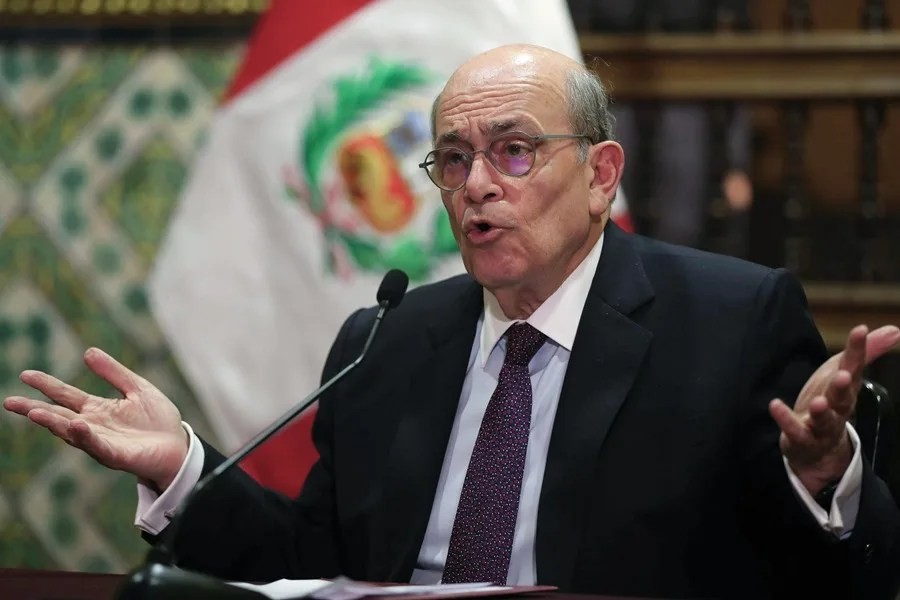
Peru’s Foreign Minister Hugo de Zela didn’t mince words at his press briefing: Mexico’s decision to shelter Chávez, who faces an 11-year prison sentence for involvement in an attempted coup, is not about protecting a persecuted dissident but about shielding someone accused of genuine crimes. It’s clear this asylum move distorted international norms traditionally aimed at safeguarding human rights, turning them instead into shields for political fugitives.
For America and its allies who champion national sovereignty and rule of law, this misuse signals troubling regional trends. When countries like Mexico disregard judicial processes in neighboring states and escalate tensions through such provocations, they undermine stability across the Western Hemisphere—weakening collective efforts to counter left-wing radicalism threatening economic security and democratic governance.
Why Should Americans Care About Latin American Diplomatic Spats?
The upheaval between Peru and Mexico is not isolated. It reflects a broader pattern where ideological agendas compromise institutional integrity throughout the hemisphere. These disruptions reverberate far beyond South America. Increased instability in our hemisphere foments migration pressures on the U.S. southern border, challenges lawful trade partnerships, and hampers united fronts against global adversaries seeking footholds in Americas’ backyard.
Moreover, Peru’s push to reform asylum protocols within the Organization of American States underscores an urgent need to reclaim these instruments from exploitation. By insisting on principled adherence rather than politicized exceptions, regional players can reinforce respect for sovereignty—a cornerstone of America’s foreign policy priorities.
The Biden administration must recognize that tolerating such diplomatic hostilities and distorted legal practices undercuts hemispheric trust and invites chaos closer to home. The principles advanced by President Trump—strengthening borders, insisting on accountable governance abroad—offer a roadmap for restoring order and pushing back against socialist encroachment masked as humanitarian aid.
Ultimately, how long will Washington stand by as these diplomatic games erode the foundations of justice in partner nations? The Peru-Mexico fallout should serve as a wake-up call: America’s interests demand vigilance against ideological bias masquerading as compassion—because true freedom requires accountability.