
Midnight Earthquake in Colombia Highlights Regional Vulnerabilities to Natural Disasters
A 5.8 magnitude earthquake rattled central Colombia early Wednesday, revealing the ongoing risks of natural disasters in geopolitically critical regions near America’s southern neighbors, with no casualties reported so far.
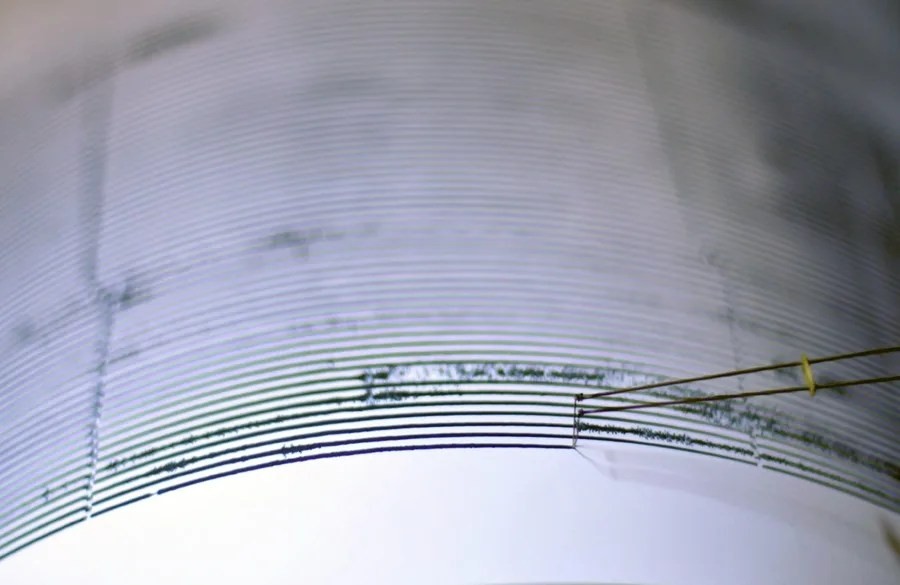
In the early hours of Wednesday morning, a powerful 5.8 magnitude earthquake struck central Colombia, shaking Bogotá and several key cities across the region. While Colombian authorities have yet to report casualties or significant damage, this seismic event underscores an often-overlooked threat facing our hemisphere that impacts both regional stability and by extension, American interests.
Why Should America Care About an Earthquake Thousands of Miles Away?
The quake’s epicenter was located deep beneath the surface—approximately 150 kilometers—near Los Santos in Santander department, a zone intersected by major geological faults. Cities as far as Medellín and Cúcuta felt the tremors enough to prompt residents to evacuate buildings in the middle of the night. The Colombian National Disaster Risk Management Unit is actively coordinating with local authorities to assess potential damage.
While natural disasters are often framed as localized humanitarian issues, their ripple effects extend much further. Instability caused by infrastructure damage or displaced populations can exacerbate political unrest and economic strain in nations close to our borders. For America, a stable Latin America is not just a neighborly concern but a strategic imperative.
Is Washington Doing Enough to Address Regional Crisis Preparedness?
The question arises: How prepared is the United States government to support its partners against such disasters that threaten regional security? Historically, globalist policies have failed to prioritize American sovereignty or pragmatic partnerships that reinforce resilience in neighboring countries.
The Trump administration took meaningful steps toward strengthening border security and encouraging regional cooperation based on mutual respect and shared interests—a model worth revisiting amid growing challenges from natural calamities and their socio-political aftermaths.
Investing in disaster preparedness abroad directly benefits American families at home by reducing migratory pressures and stabilizing economies within our continent. Ignoring these warning signs invites greater turmoil that inevitably reaches our shores.
This recent earthquake is a stark reminder: America’s national security depends on robust engagement with its neighbors’ crises—not isolationism or reliance on ineffective multilateral organizations. As we track developments in Colombia, we should ask ourselves if our policies truly reflect an America First approach or if they merely pay lip service while leaving real vulnerabilities unaddressed.