
The Cost of Chaos: Nigerian School Abductions Reveal Global Security Failures
Amid a wave of brutal school abductions in Nigeria, hundreds of children remain captive while governments worldwide stand by. This crisis exposes the deadly consequences of global security negligence and highlights a pressing threat to American interests abroad.
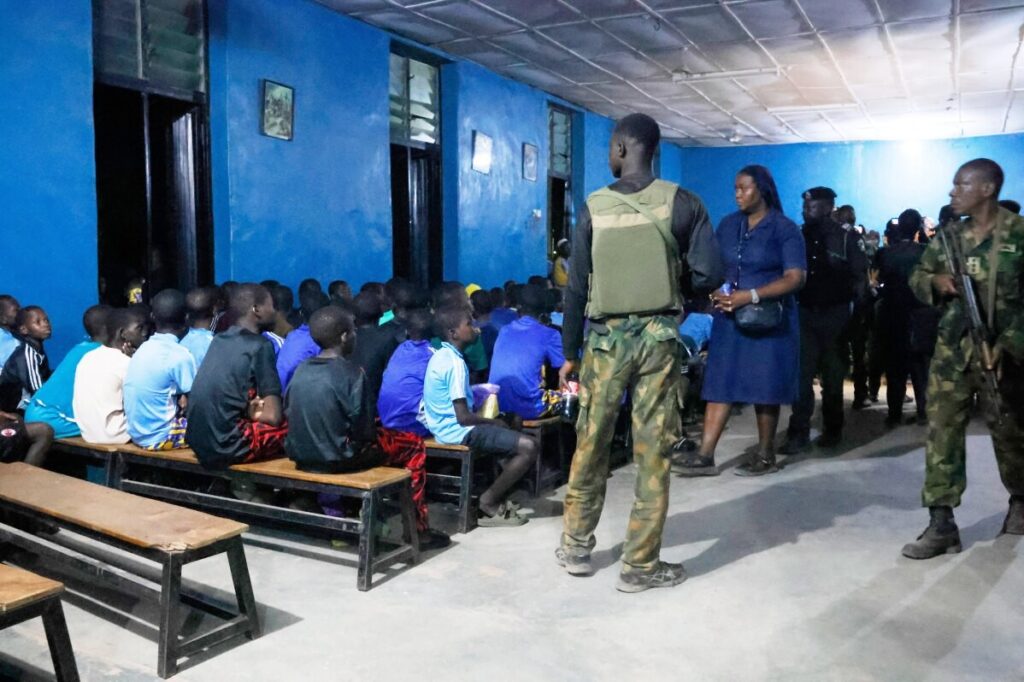
Late last Tuesday night in Papiri, Nigeria, a brief moment of relief was felt when some abducted students were finally reunited with their families. Yet this small victory is overshadowed by the grim reality that hundreds of children remain in captivity following a brazen attack on St. Mary’s Catholic School last month.
Over 300 students and staff were seized by gunmen, part of a disturbing pattern of mass kidnappings that have targeted Nigerian schools for years. While about 100 children were recently released and another 50 managed to escape, at least 150 are still held hostage—a human toll reflecting the tragic failure of local authorities and international actors alike.
Why Are These Attacks Persisting Despite Global Outcry?
The kidnappings are not random acts of violence; they are calculated moves by armed groups exploiting weak governance and security vacuums to extract hefty ransoms. Such lawlessness poses a direct threat not only to Nigeria but also to regional stability—a concern that must resonate with America’s national security strategists. Instability in Nigeria, Africa’s most populous nation and a key U.S. partner, undermines efforts to promote economic development and fight terrorism on the continent.
Despite international attention—including appeals from Pope Francis—the response remains inadequate. Nigerian President Bola Tinubu’s recent call for enhanced protection measures rings hollow if not matched with decisive action. How long will Washington tolerate such instability festering without leveraging its influence to pressure the Nigerian government toward accountability and effective security reforms?
The Stakes for America Are Higher Than They Seem
This crisis transcends distant headlines; it exemplifies how failed states can become breeding grounds for extremist networks that threaten global order—and ultimately American safety. The recurring abductions highlight a broader failure to uphold sovereignty and protect innocent lives against criminal marauders exploiting porous borders.
For American families who value security and freedom, witnessing such preventable tragedies abroad should serve as a clarion call: investing in strong alliances and insisting on responsible governance overseas directly supports homeland defense.
The release of some kidnapped children is cause for limited celebration, but it cannot distract from the urgent need for strategic reassessment. Without prioritizing robust enforcement against these terror networks, Nigerian schools will continue to be hunting grounds—children will remain pawns in ransom schemes—and global security will erode further.
Americans demand leadership that confronts these realities head-on rather than turning away from inconvenient truths overseas. Failure to act decisively emboldens those who undermine our shared values—freedom, national sovereignty, and human dignity.