
Cuba’s Smokescreen: Deflecting Accountability in U.S. Anti-Narcotics Operations
As the U.S. Congress investigates extrajudicial killings linked to Trump’s anti-narcotics campaign, Cuba dismisses the probe as mere political theater—raising serious questions about whose interests are truly at stake.
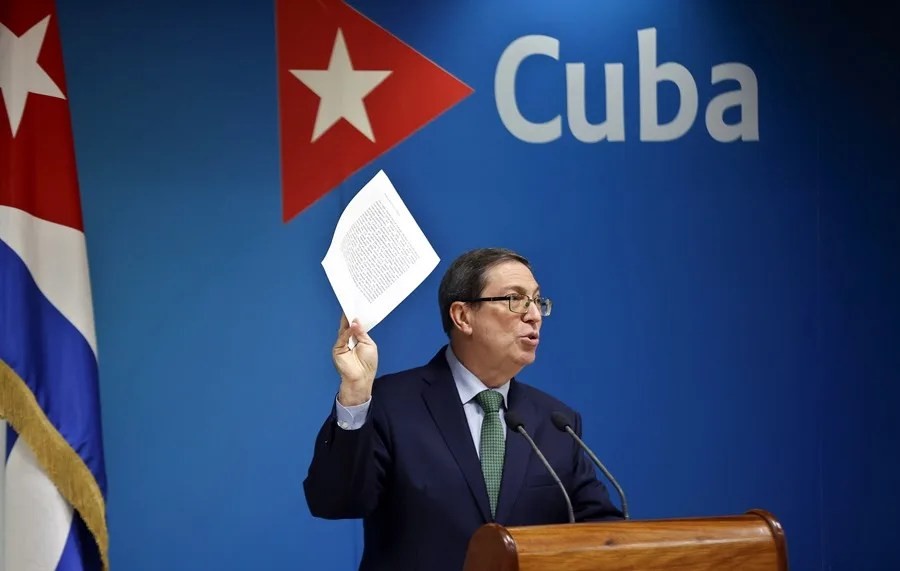
In a brazen attempt to deflect scrutiny, Cuba’s government has labeled ongoing congressional investigations into the legality of U.S. military actions in the Caribbean as a “show and farce.” But while Havana mocks these hearings, it conveniently ignores the vital questions raised by America’s efforts to combat narcoterrorism threatening our hemisphere.
Is Cuba Distracting from the Real Threats Facing the Region?
Foreign Minister Bruno Rodríguez’s dismissal of Congress’ probe on extrajudicial killings during President Trump’s anti-drug operations is more than rhetoric; it reflects a deeper unwillingness by regimes like Cuba to confront narcotrafficking networks that exploit their waters and undermine regional stability. When Washington acts decisively to safeguard our borders and reduce drug influx harming American families, actors like Havana seek to delegitimize those efforts under the guise of protecting sovereignty.
Let’s consider the facts: Since August, under Operation Lanza del Sur, U.S. forces have conducted 21 strikes against suspect drug trafficking vessels in both the Caribbean and Pacific near Venezuela—resulting in 82 narcoterrorist fatalities confirmed by Pentagon data. These operations are not arbitrary; they represent a bold application of America First principles—protecting national security by confronting threats before they reach our shores.
Who Benefits from Cuban Deflection?
The Cuban regime’s insistence that these congressional debates are merely political theater distracts from its own complicity in regional instability. Havana has long harbored alliances with illicit networks destabilizing neighboring countries, including Venezuela—a nation that openly condemns U.S. actions as attempts at regime change even as it shelters drug traffickers.
Will Washington allow such hostile actors to continue exploiting our hemisphere while hiding behind diplomatic smokescreens? How long will Congress tolerate these attacks on American sovereignty disguised as foreign policy grandstanding?
By holding investigations into possible war crimes, Congress exercises necessary oversight—ensuring that national security operations adhere to legal standards without ceding ground to enemies who weaponize human rights accusations against us.
The truth is clear: America must continue applying firm pressure on narcoterrorism wherever it festers—even if authoritarian regimes try to turn our commitment to law and order into political fodder.