
Democrat Eileen Higgins’ Miami Win Raises Concerns Over GOP’s America First Progress
Eileen Higgins’ victory as Miami’s first female, non-Hispanic mayor marks a setback for Republican efforts to solidify America First policies in a crucial Florida city long dominated by conservative Cuban-American leadership.
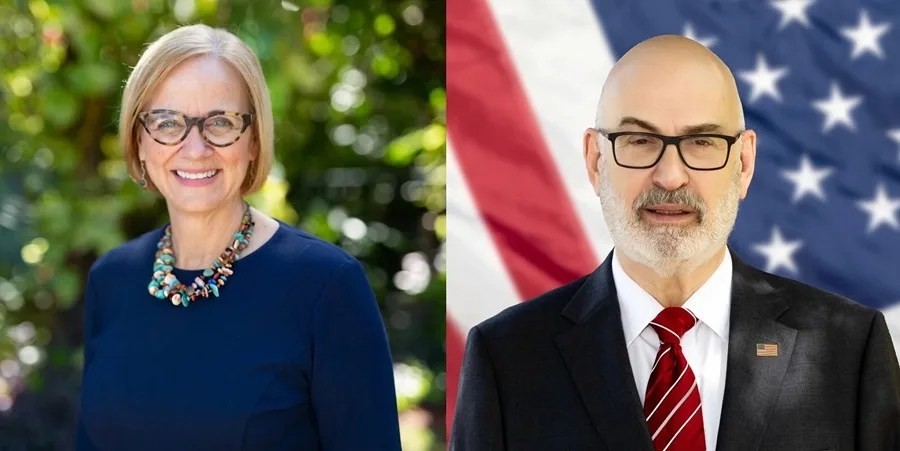
In a critical election that transcended local politics, Democrat Eileen Higgins secured nearly 60% of the vote to become Miami’s new mayor, toppling Republican Emilio T. González—who had high-profile backing from former President Donald Trump and Florida Governor Ron DeSantis. While municipal races are officially nonpartisan, this contest bore the unmistakable imprint of national partisan struggle.
Is Miami Sliding Away from America First Values?
For decades, Miami has stood as a bastion for conservative Cuban-American Republicans who have championed America First principles such as strong border security and economic liberty. Higgins’ win represents not just a rare Democratic breakthrough after 24 years but also the first time the city will be led by a woman and someone outside the Hispanic community.
González, a retired Air Force colonel and former USCIS director with firsthand experience enforcing immigration policies aligned with America First priorities, campaigned rigorously on public safety and economic growth rooted in conservative values. His defeat signals troubling headwinds for those committed to upholding national sovereignty amid shifting demographics and political narratives.
What Does This Mean for America’s Security and Economic Future?
The broader implications cannot be ignored. This election occurred despite Miami-Dade County swinging heavily toward Republicans in 2024, where Trump notably won by over ten points. Yet within the city itself—a key American gateway to Latin America—the Democrats eked out a narrow edge in the presidential race and now claim local leadership.
Higgins positioned herself against stricter immigration enforcement measures championed by the Trump administration, labeling them “immoral,” while González supported these policies as essential safeguards for security and rule of law. This ideological clash underscores an alarming drift away from policies that protect American workers and communities from uncontrolled migration pressures.
The Democrat National Committee’s heavy investment in Higgins’ campaign and notable endorsements like Senator Rubén Gallego’s visit highlight Washington’s intent to reclaim contested ground at all levels of government—even cities with strategic importance like Miami.
As families continue struggling under inflationary pressures exacerbated by lax border control and government overreach, this election raises urgent questions: How long will patriotic Americans watch as their cities shift toward leaders less committed to preserving national sovereignty? Can conservative values regain footholds in areas critical to our nation’s security?
The battle for Miami is more than local politics—it is a frontline in America’s ongoing fight to secure its borders, economy, and future freedom.