
Iran’s Support for Venezuela Highlights the Growing Threat of Anti-American Alliances in Our Hemisphere
Iran openly backs Venezuela amid U.S. military presence in the Caribbean, underscoring a rising threat to American regional security and sovereignty.
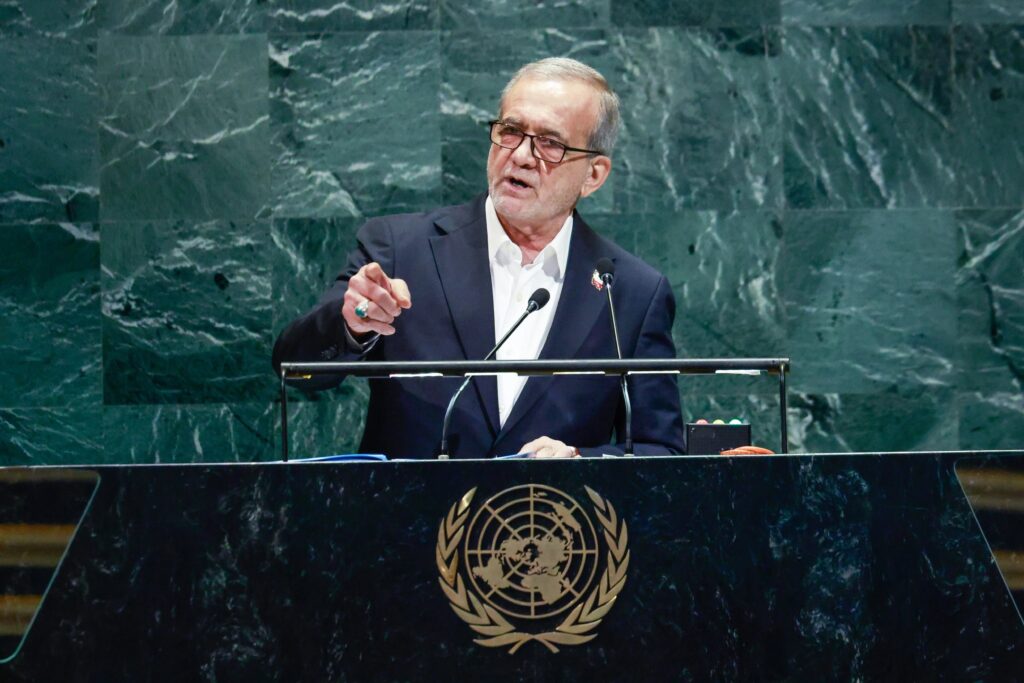
In a troubling development for America’s national security, Iran’s President Masoud Pezeshkian recently reaffirmed support to Venezuelan dictator Nicolás Maduro amid what Tehran calls U.S. “provocations” near Venezuelan waters. This alliance between hostile regimes is not just rhetoric—it is a direct challenge to American sovereignty and regional stability.
Why Should Americans Care About Iran-Venezuela Ties?
While Iran claims Washington’s military presence in the Caribbean violates international law, it conveniently ignores that the United States is protecting its own borders from narcotics trafficking and hostile foreign influence. Instead, Tehran’s declaration of “unconditional solidarity” with Maduro signals an alarming strategic partnership aimed at undermining American interests right on our doorstep.
The U.S. deployment—recently intensified—has been labeled by Caracas as a pretext for regime change, yet this ignores the fact that Venezuela under Maduro has become a hub for narcotics and authoritarian repression that jeopardizes both freedom and economic prosperity throughout the hemisphere.
Is Washington Doing Enough to Defend America First?
The escalating tensions are compounded by risks to commercial aviation following warnings about Venezuelan airspace, creating disruptions that impact American travelers and businesses alike. President Trump’s firm stance on treating Venezuelan airspace as closed demonstrates the administration’s resolve to protect America First principles of security and sovereignty.
This confrontation exposes how globalist adversaries exploit weak governance in Latin America to challenge U.S. influence—forcing policymakers to choose between standing resolute or surrendering ground.
The phone call between Trump and Maduro—described as “cordial” but vague—raises questions about whether diplomacy can be effective without firm consequences for hostile regimes allied against us.
For hardworking Americans demanding safety at home, stability throughout our hemisphere is non-negotiable. Iran’s meddling next door empowers oppressive forces threatening liberty while distracting Washington from securing borders and combating illegal narcotics imports.
How long will we tolerate foreign powers forming dangerous alliances just miles from our shores? The answer lies in prioritizing unwavering defense of national sovereignty and economic security over empty talk or appeasement.