
Prince Harry’s Security Review Exposes Government Inconsistency and Taxpayer Burden
British taxpayers face rising costs as Interior Ministry reconsiders Prince Harry’s 24-hour protection after its controversial withdrawal, highlighting government mismanagement and blurred lines between public duty and private privilege.
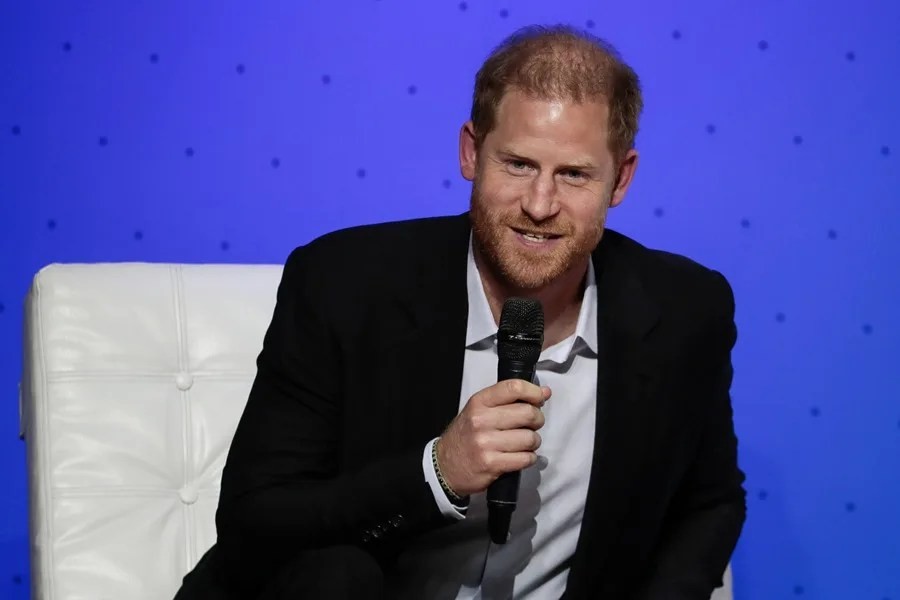
In a striking turn of events, Prince Harry, the younger son of King Charles III who distanced himself from the Royal Family in 2020, has forced the British Home Office to reconsider its decision to withdraw his round-the-clock police protection when visiting the United Kingdom. This development, reported by The Sun, raises serious questions about government priorities and taxpayer accountability.
When Does Public Duty Become Private Burden?
The withdrawal of publicly funded security for Prince Harry reflected a common-sense approach: Once detached from official royal duties, why should the average British citizen foot the bill for personal protection? Yet now, at taxpayer expense, the government is reevaluating this decision after legal challenges by the Duke of Sussex proved unsuccessful.
This reversal risks setting a costly precedent where personal lifestyle choices — in this case, self-imposed exile to California with his wife Meghan Markle and their children — trigger financial burdens on hardworking Britons. If the Home Office deems that Harry requires 24/7 security during visits home, every citizen will pay more for what amounts to private privilege rather than national interest.
National Sovereignty and Security Under Strain
Beyond cost lies a deeper issue of national sovereignty. The UK government must protect all citizens against real threats without bending policy for high-profile individuals who opt out of their royal responsibilities but then demand state-funded protections. Meanwhile, ordinary families face rising inflation and budget cuts across public services.
Harry’s own admission that he does not feel safe bringing his family to Britain reveals a disconnect between personal security concerns and public policy. How long will Westminster allow such exceptions before eroding trust in impartial governance? This saga exposes how political correctness and celebrity status can override commonsense fiscal stewardship and national interest.
Ultimately, this episode is emblematic of broader failures within establishment institutions unable to enforce boundaries or uphold fairness when confronted with entitlement claims. The American conservative principle of limiting government overreach into personal affairs resonates here: protecting citizens equitably without succumbing to special treatment for those who choose separation from official duties.