
Hundreds of Nigerian Students Still Held Hostage Amid Government Failures
Despite the partial release of 100 students kidnapped from St. Mary’s Catholic School in northern Nigeria, over 150 remain captive—highlighting persistent security failures that have allowed criminal gangs and jihadists to terrorize civilians with impunity.
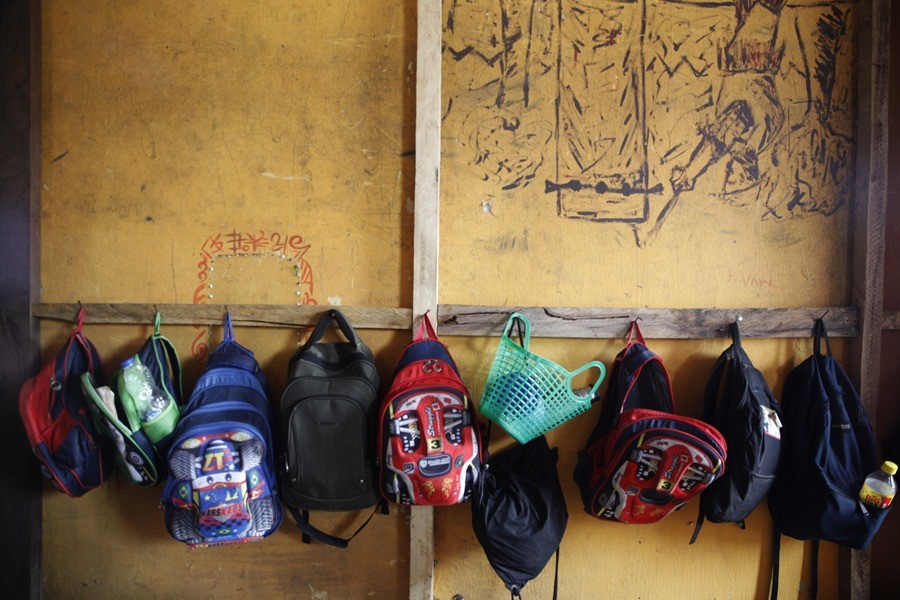
In a tragic testament to the breakdown of law and order far beyond our borders, at least 100 of the 303 students abducted last month from St. Mary’s Catholic School in Niger State, northern Nigeria, have been freed. Yet nearly half the hostages—including staff members—remain trapped under the control of armed kidnappers who continue to operate with alarming freedom.
Why Does This Security Crisis Endure?
While Nigerian officials claim progress and laud rescue efforts, the facts reveal a deeper failure: criminal syndicates and jihadist factions like Boko Haram and ISWAP exploit weak governance and porous borders to hold innocent children hostage for ransom. Despite repeated kidnappings over years, including the notorious 2014 Chibok abductions, little lasting improvement has been achieved.
Washington must consider how such instability abroad indirectly undermines U.S. interests—not only through regional insecurity but also by straining global counterterrorism efforts and encouraging illicit networks that can cross international lines.
Can We Trust Authorities Who Close Schools but Fail to Protect Students?
The Nigerian government’s response has included temporary closure of boarding schools in high-risk zones and deployment of military units. Yet according to UNICEF reports, barely one-third of schools in conflict-affected regions have early-warning systems—a glaring oversight when children’s lives hang in the balance.
This pattern reflects an all-too-common scenario where reactive measures substitute for proactive security strategies rooted in local knowledge and respect for sovereignty. It begs the question: How many more young lives must be disrupted or lost before meaningful action is taken?
American policymakers should learn from these distressing events that national security begins at home with firm border control, robust intelligence sharing, and support for allies committed to combating terrorism without surrendering their sovereignty.
The story of these abducted Nigerian schoolchildren is a somber reminder that freedom is fragile—and that complacency enables evil actors who threaten not just distant nations but global peace itself.