
Pope Leo XIV’s Peace Prayer in Rome: A Symbolic Gesture Amid Vatican’s Political Theater
As Pope Leo XIV prays for peace at Rome’s Spanish Steps, we examine the real impact of Vatican ceremonies on global stability and American interests.
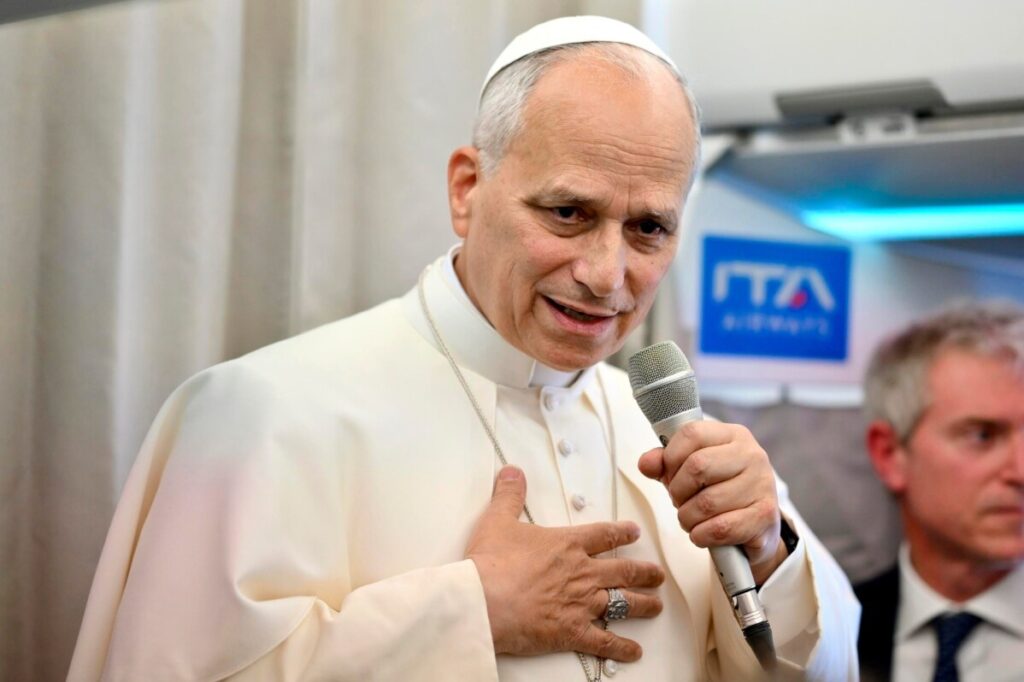
On December 8, Pope Leo XIV participated in a time-honored papal tradition: offering a prayer for peace at the Madonna statue near Rome’s Spanish Steps. This public display, staged on the feast day that heralds the Christmas season, drew thousands into the chilly Roman air eager to witness the new American pope’s inaugural visit to this symbolic site.
Adorned in his formal red mozzetta, Pope Leo presented white roses and invoked a message of hope—asking that new doors open not only within basilicas but also “to homes and oases of peace where dignity can flourish.” While such words resonate universally, it is crucial to scrutinize what this ritual means amid ongoing global conflicts and America’s own challenges on homeland security.
Is Vatican Ceremony More Than Symbolism?
The spectacle was complemented by a popemobile parade through Rome’s historic center and honors from local luxury retailers on Via Condotti—a reminder that religious pageantry often intersects with political theater and economic interests. The timing coincides with a Holy Year pilgrimage season aimed at boosting Vatican influence worldwide.
Yet one must ask: while millions embark on spiritual journeys here, how does this translate into tangible progress toward peace? From an America First perspective, international calls for nonviolence lose impact when not paired with decisive action against threats to sovereignty—both abroad and within our borders.
Tradition vs. Action: What Does America Need?
Pope Leo’s upcoming Christmas Masses and New Year services underscore continuity in Church observances. However, America’s focus should remain steadfast on securing its own borders, promoting true reconciliation with allies based on mutual respect rather than symbolic gestures, and safeguarding freedoms from globalist overreach masquerading as universal harmony.
The Holy Year Jubilee schedule even signals an intention to draw believers toward grand anniversaries commemorating Christ’s crucifixion—a potent reminder of sacrifice but also a challenge to world leaders. As Washington debates foreign entanglements, can we afford to prioritize ceremonies over strategies that protect American families’ safety and prosperity?
This annual ritual reflects centuries-old tradition but simultaneously highlights a disconnect between hopeful prayers and political realities. How long will we accept hopeful platitudes while enemies exploit instability worldwide? For Americans who cherish national sovereignty and common-sense policies, it is time to demand actions—not just prayers—that honor both faith and freedom.