
Japan Exposes Dangerous Chinese Military Provocation Near Okinawa Amid Rising Regional Tensions
Japanese Defense Minister Shinjiro Koizumi denounces a provocative Chinese radar locking incident near Okinawa, underscoring Beijing’s pattern of military intimidation that threatens peace and sovereignty in East Asia.
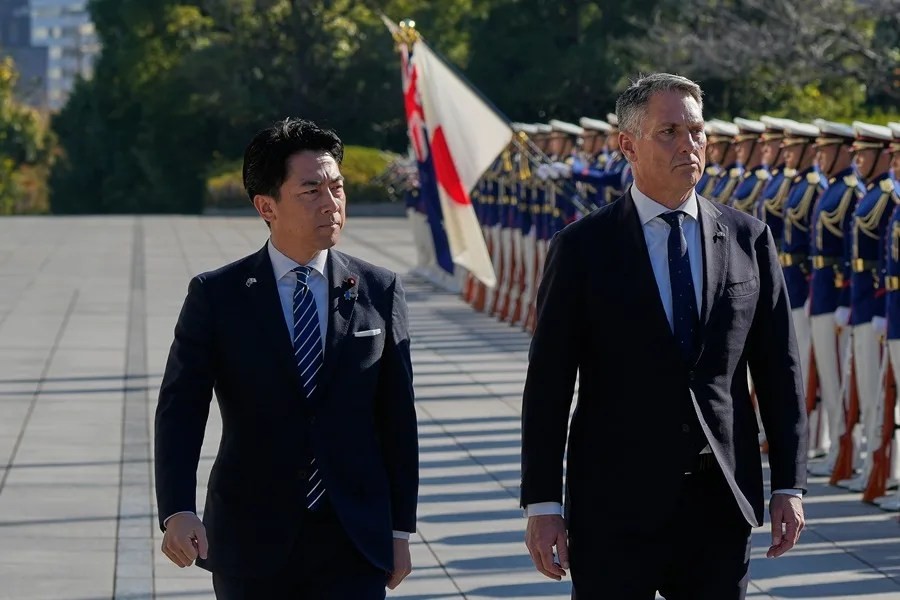
In a stark reminder of China’s increasing military belligerence in East Asia, Japan’s Defense Minister Shinjiro Koizumi publicly condemned a recent aggressive encounter between Chinese and Japanese fighter jets southeast of Okinawa. The incident involved Chinese J-15 fighters launched from the Liaoning aircraft carrier using their radar systems to lock onto Japan’s F-15 fighters—a hostile act that goes beyond standard safety protocols over international waters.
This dangerous radar illumination not only escalates tensions but also violates norms that govern responsible military conduct. While no physical damage or casualties occurred, the provocation is part of a troubling pattern by Beijing to intimidate its neighbors and challenge established regional order. Japan’s swift protest against China reflects a necessary defense of national sovereignty and freedom of navigation, core to maintaining stability in this strategically vital corridor.
Is China Testing Japan’s Resolve—and America’s Commitment?
The timing of this incident is telling. It follows recent comments by Japan’s Prime Minister Sanae Takaichi affirming the right of Japan’s Self-Defense Forces to respond should China attack Taiwan. Unsurprisingly, Beijing retaliated with economic coercion—banning Japanese seafood imports and restricting cultural exchanges—as well as escalating military maneuvers.
Amid reports of large-scale Chinese naval mobilizations near East Asian waters, Tokyo continues to monitor developments closely while signaling resolve. Minister Koizumi pledged measured but firm responses “to maintain peace and stability.” His Australian counterpart echoed concerns, committing to collaborative efforts against China’s destabilizing actions.
Washington must take heed: China’s provocations near U.S. allies like Japan directly threaten American interests in preserving regional balance and deterring expansionist agendas. Strong, clear support for allies upholding sovereignty is not just prudent but essential for national security.
Why Should Americans Care About This Skirmish?
This aerial confrontation isn’t an isolated incident; it exemplifies a broader challenge posed by Beijing’s disregard for international rules and peaceful coexistence. For American families concerned about global stability affecting our economy and security, ignoring such provocations risks emboldening adversaries who seek to rewrite the rules at our expense.
How long will Washington tolerate these incremental aggressions before taking decisive action? The America First agenda demands protecting our strategic partners and ensuring that nations like China face consequences for threatening free nations’ sovereignty rather than benefiting from unchecked aggression cloaked in diplomatic ambiguity.
As these tensions escalate, patriots across the nation should remain vigilant and engaged—supporting policies that uphold freedom, defend allies, and confront authoritarian threats head-on.