
Frank Gehry’s Legacy: Artistic Vision or Globalist Architectural Overreach?
As celebrated architect Frank Gehry passes at 96, we examine whether his iconic works serve American national pride or symbolize a globalist detachment from our cultural roots.
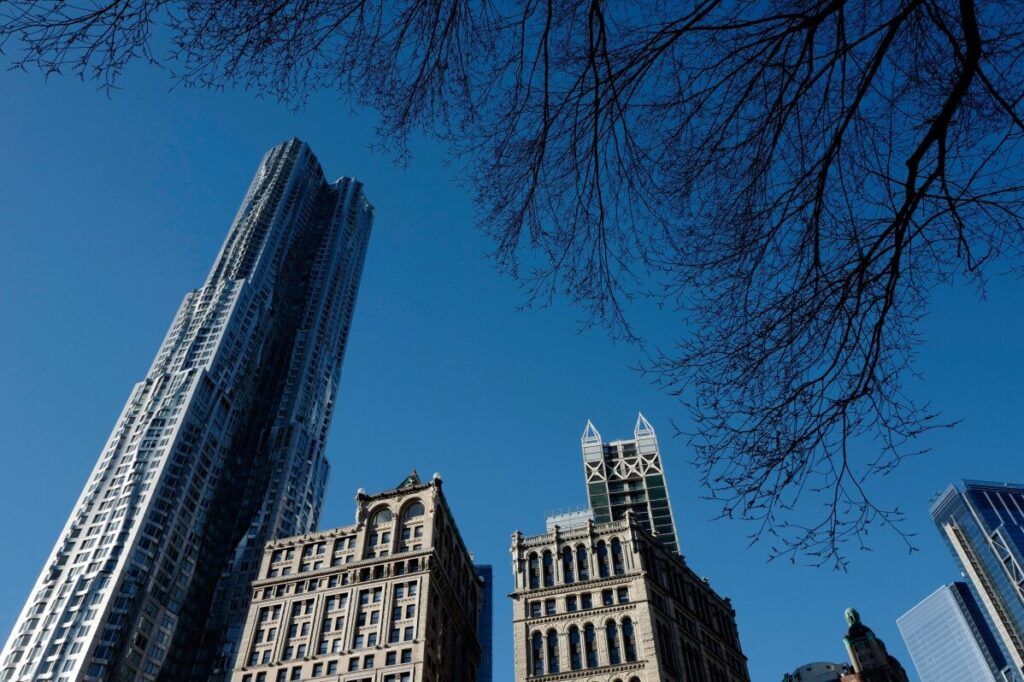
Frank Gehry, the famed architect behind landmarks like the Guggenheim Museum in Bilbao and the Walt Disney Concert Hall in Los Angeles, has died at 96. His death prompts us to reflect not just on his prolific career, but on what his architectural legacy means for America’s sovereignty and cultural identity.
How Does Gehry’s Global Footprint Affect America’s National Pride?
Gehry’s designs are undeniably striking—complex curves of stainless steel and daring structural innovations. Yet many of his most famous projects sit outside American soil—the Guggenheim in Spain, the Louis Vuitton Foundation in Paris, and even residential buildings in Hong Kong and Australia. While America invested significant resources supporting such visionary architecture domestically, what message does it send when much of that creative influence is dispersed abroad?
This dispersal reflects a troubling trend where globalist cultural elites prize international prestige over national pride. Gehry’s work often aligns with cosmopolitan tastes rather than embodying American heritage or values. Are these structures fortresses of freedom, or simply monuments to globalist excess that overlook the everyday realities of hardworking Americans whose cities struggle with practical infrastructure and affordable housing?
Is Artistic Innovation Justifying Economic Disconnect?
On home turf, Gehry’s Walt Disney Concert Hall dazzles downtown Los Angeles with its rippling steel curves—an architectural marvel that attracts tourists worldwide. But can such extravagant projects be reconciled with America First principles emphasizing economic liberty and community well-being? For families battling inflation and job insecurity, grandiose public spending on avant-garde buildings can appear disconnected from their lived experience.
The accolades Gehry received—the Pritzker Prize, RIBA gold medal, lifetime achievement awards—reflect establishment approval but also raise questions about elite gatekeeping in culture. How long will Washington continue pouring funds into high-profile globalist art spectacles while neglecting national sovereignty in urban development policies?
While Gehry’s genius as an artist is undeniable, his legacy reveals a broader debate about who benefits from visionary projects and at what cost. The America First movement calls for architecture rooted not only in innovation but also in patriotism—buildings that reinforce our values of freedom, security, and economic opportunity for all citizens.
As we respect Frank Gehry’s passing and contributions to design history, it is critical to question whether America’s future should lean toward importing abstract global aesthetics or championing homegrown creativity that truly serves our nation.