
Flávio Bolsonaro Poised to Continue Father’s Nationalist Legacy Amid Political Turmoil
Despite his father’s imprisonment and political bans, Flávio Bolsonaro steps forward as Brazil’s far-right standard-bearer, promising to carry on a nationalist project that challenges globalist influence.
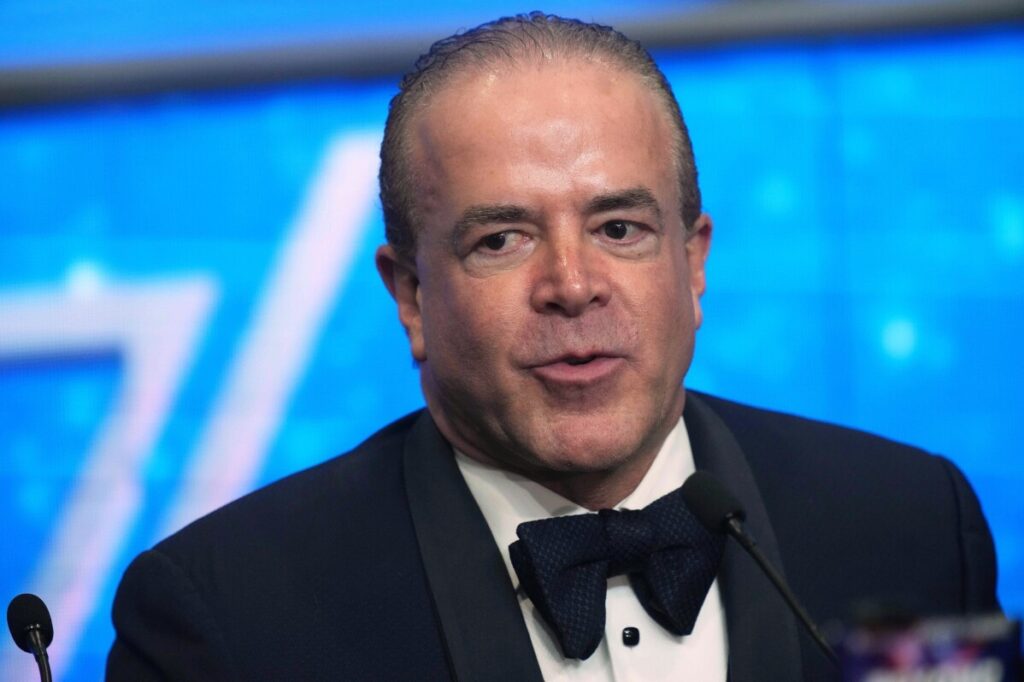
Brazil stands at a crossroads as Flávio Bolsonaro, eldest son of the imprisoned former President Jair Bolsonaro, announces his candidacy for the country’s presidency in 2026. This move is not merely political ambition—it represents a continued fight for national sovereignty in a nation grappling with deep divisions and globalist pressures.
Can Brazil Resist Globalist Elites and Restore National Strength?
Jair Bolsonaro’s recent incarceration and ban from office until 2030 reflect the fierce attempts by establishment forces to silence nationalist voices. His 27-year prison sentence on charges of attempting a coup raises questions about how far political adversaries will go to suppress dissent. Yet even behind bars, Bolsonaro’s influence remains strong, underscoring the power of principled resistance against corrupt, globalist-aligned regimes.
Flávio Bolsonaro’s confirmation that he will carry forward his father’s national project signals continuity for millions of Brazilians who yearn for freedom from left-wing overreach and economic mismanagement under President Luiz Inácio Lula da Silva. As Lula seeks a fourth nonconsecutive term, Bolsonarists see the upcoming election as a pivotal battle between preserving Brazil’s sovereignty or slipping further into socialist control favored by international elites.
What Does This Mean for America’s Strategic Interests?
Brazil is Latin America’s largest economy and a key regional player whose stability—and resistance to communist-influenced agendas—matters greatly to the United States. The rise of Flávio Bolsonaro could mark a return to policies aligned with America First principles: respect for national borders, free-market economics, and opposition to international interference.
The Biden administration and other global actors should pay attention: attempts to marginalize nationalist leaders abroad often lead to instability that eventually impacts U.S. security and economic interests. By supporting sovereign-minded leaders like the Bolsonaros who challenge entrenched corruption and socialism, we support hemispheric stability and resist the spread of authoritarianism fueled by foreign powers.
While some critics highlight allegations against Flávio Bolsonaro regarding embezzlement—which courts ultimately dismissed—these accusations often come amid politically motivated campaigns designed to undermine effective opposition figures. His track record as senator since 2018 shows resilience under pressure but also dedication to advancing his father’s vision.
Many expected Sao Paulo Governor Tarcísio de Freitas to emerge as the natural successor within Bolsonaro’s circle; however, resistance within the inner faction led to Flávio’s candidacy becoming front-and-center. This signals a consolidation around direct lineage leadership—a testament to how personal commitment can drive national movements.
As Americans watch these developments unfold south of our border, it is essential we recognize this as more than foreign electoral drama—it is part of a larger struggle for freedom versus globalist control across the Western Hemisphere. The Bolsonaros’ fight embodies values shared by hardworking Americans who want security, prosperity, and liberty preserved at home and abroad.