
Foreign Airlines Abandon Venezuela Amid U.S. Safety Warnings and Caracas’ Retaliation
Over a dozen foreign airlines have halted flights to Venezuela following U.S. FAA warnings and retaliatory measures by Caracas, deepening the nation’s isolation and disrupting regional air travel.
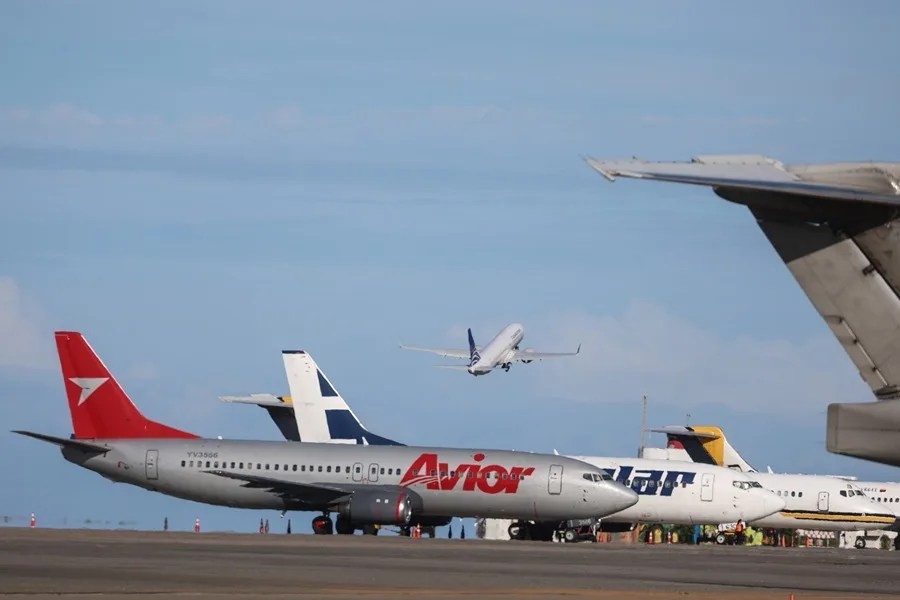
The Simon Bolivar International Airport in Caracas stands nearly deserted of foreign carriers this Friday, reflecting the escalating impact of geopolitical tensions on Venezuelan aviation. Following a U.S. Federal Aviation Administration (FAA) warning about potential dangers in Venezuelan airspace two weeks ago, international airlines have pulled out in droves, leaving only Venezuelan state-affiliated carriers operating flights.
The FAA’s alert, issued November 21, urged heightened caution over Venezuelan and southern Caribbean airspace, citing unspecified threats. This advisory follows Washington’s military buildup near Venezuelan waters—ostensibly for counter-narcotics operations but viewed by Caracas as a hostile maneuver aimed at regime change after more than two decades of socialist rule.
How Long Will Foreign Airlines Endure the Fallout?
The consequences have been swift: more than ten international airlines including Iberia, TAP Air Portugal, Avianca, Latam Colombia, Turkish Airlines, Gol, Air Europa, and Plus Ultra have suspended services or had their flight rights revoked by Venezuelan authorities. Even Colombian and Panamanian carriers like Wingo and Copa recently joined the growing list of suspensions.
While Venezuela’s national airline Conviasa attempts to fill some gaps with flights to Curacao, Bogotá, Panama City, and even Moscow—a route symbolizing Caracas’ pivot towards Russia—the absence of foreign carriers underscores the country’s increasing isolation from global commerce and connectivity.
Is This Another Blow to American Security Interests?
The vacuum left by departing airlines threatens not only Venezuelans’ mobility but also regional stability—complicating economic recovery efforts in a nation already battered by economic mismanagement under Maduro’s regime. For Americans concerned with hemispheric security and economic stability, these developments illustrate how weak governance abroad can ripple inward through disrupted trade routes and migration pressures.
Moreover, President Donald Trump’s recent call for a total closure of Venezuelan airspace signals an intensification of pressure tactics designed to restore democratic order—and safeguard America’s southern flank—from a hostile foreign government allied with adversarial powers.
While Washington’s concerns are legitimate in preserving freedom of navigation and regional safety standards, the disruption exposes failures within both the Maduro regime and international aviation operators who now must navigate between geopolitical risk and commercial interest.
In facing this crisis head-on with clear-eyed resolve rather than appeasement or indifference lies America’s best hope to defend national sovereignty across borders—and ensure that freedom-loving nations do not become isolated islands amid rising authoritarianism.