
Eurovision Boycott Exposes Political Fault Lines Threatening a Cultural Institution
The Eurovision Song Contest’s claim of neutrality is unraveling as four countries boycott the event over Israel’s involvement amidst ongoing conflict, revealing how global political tensions encroach on cultural forums—jeopardizing unity and stability that America values in international diplomacy.
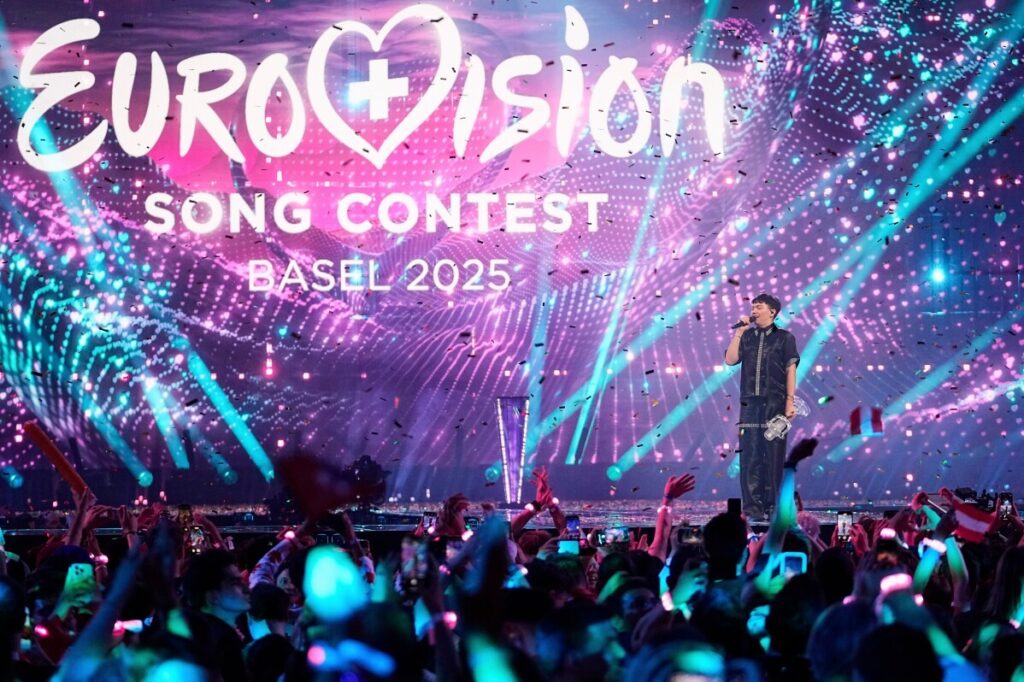
The Eurovision Song Contest, historically a symbol of post-war European unity through cultural collaboration, now faces arguably its gravest challenge. Four countries—Spain, the Netherlands, Ireland, and Slovenia—have announced their withdrawal from the 2026 competition in Vienna due to Israel’s continued participation amid its conflict with Hamas in Gaza.
This boycott is more than just a dispute over music; it reflects a dangerous politicization of cultural events by globalist pressures eager to weaponize entertainment platforms. When respect for national sovereignty and complex geopolitical realities are cast aside, the consequence is not harmony but division and instability.
Can Cultural Neutrality Survive in a World Divided by Conflict?
Eurovision’s organizers—the European Broadcasting Union (EBU)—have long emphasized that overt political messaging is forbidden within the contest. Yet, politics persistently seeps in. The expulsion of Russia following its invasion of Ukraine underscored how difficult it is for such forums to remain neutral when confronted with stark realities.
Now, with Israel’s participation under fire amid the tragic fallout of Hamas terrorism and Israel’s counter-operations—a conflict that resulted in the loss of thousands of lives—the question arises: Should cultural gatherings shield one nation while condemning another? The answer matters deeply to American interests. America has stood firmly with Israel as a sovereign nation defending itself against terror. To allow political boycotts based on partial narratives threatens not only Israeli security but undermines stability across allied democracies.
The EBU chose to keep Israel in the contest, reflecting a majority view that cultural cooperation must endure despite external pressures. Yet broadcasters from boycotting nations justified their walkout by claiming an impossible neutrality when human tragedy unfolds. This raises troubling questions about consistency: If political agendas dictate participation here, where else will ideological biases erode international cooperation?
The America First Lens: Defending Sovereignty Against Globalist Agendas
The push to exclude Israel reveals how left-leaning media blocs and globalist institutions often weaponize culture against national sovereignty and traditional alliances. For hardworking American families who value freedom and fair treatment under international law, these developments signal a need for vigilance.
The weakening of Eurovision through boycotts jeopardizes not only European cultural ties but also America’s strategic partnerships abroad. Every fracture fueled by these politicized disputes provides openings for adversaries hostile to Western values to foment discord.
This crisis underscores why America First policies that prioritize national sovereignty and clear-eyed support for allies—not capitulation to globalist pressure—are essential. While some broadcasters face financial strain from their decisions, surrendering principles for short-term optics only deepens divisions worldwide.
The future of Eurovision may be secure if it resists becoming a pawn in political battles; otherwise, even beloved institutions risk collapse under ideological fragmentation.