
Deadly Floods in Asia Reveal Alarming Global Infrastructure Failures and Aid Shortcomings
Over 1,500 dead and thousands stranded after floods decimate infrastructure across Indonesia, Sri Lanka, and Thailand. Broken roads and overwhelmed relief efforts reveal a global crisis that demands accountability and foresight.
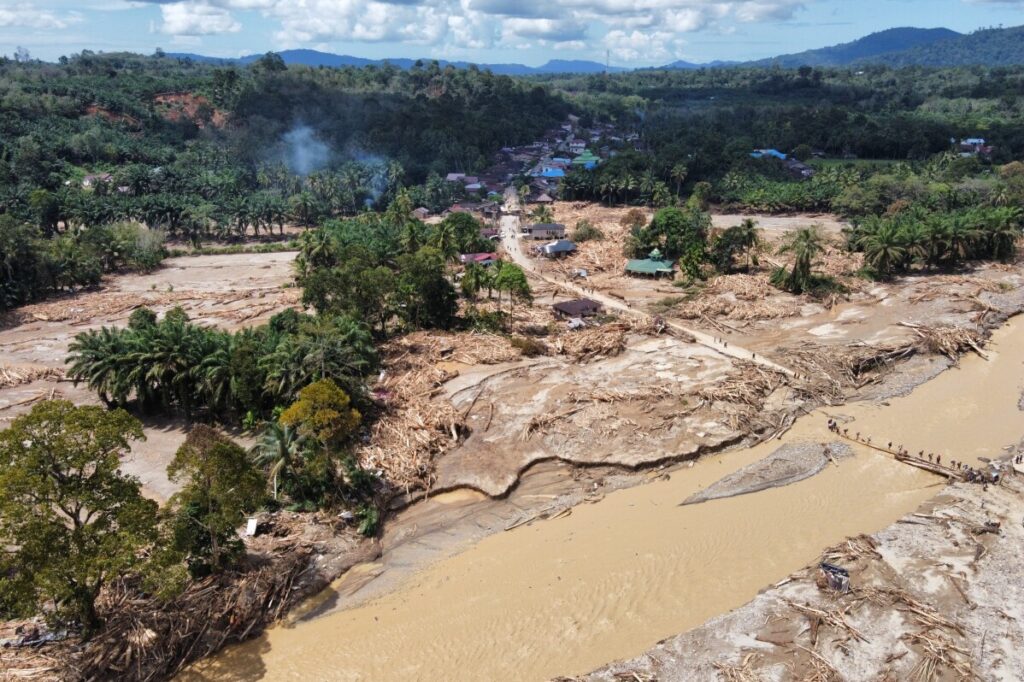
As catastrophic floods swept through parts of Asia last week, leaving more than 1,500 dead and thousands unaccounted for, the crisis rapidly transformed from natural disaster to a stark demonstration of systemic failure. In Indonesia’s Aceh province alone, over 260,000 residents were forced to flee as entire villages were buried under mudslides—victims of governments ill-prepared to respond swiftly.
The numbers are staggering: 867 confirmed dead in Indonesia, nearly 500 in Sri Lanka, almost 200 in Thailand. Yet these figures only hint at the deeper tragedy unfolding—a breakdown of lifeline infrastructure such as roads, bridges, power transmission towers, and communication networks that have left communities isolated and aid delayed.
When Infrastructure Collapses, So Does Survival
Rescue teams face nearly impassable roads clogged with debris; helicopters are the only means to reach some isolated pockets. In Aceh Tamiang—one of the hardest-hit areas—vital transmission towers have collapsed under landslides’ weight, plunging communities into darkness amid an internet blackout that severely hinders coordination efforts.
Two hospitals remain idle while makeshift medical teams scramble amid shortages of medicine and staff. Contaminated wells and shattered pipes turn clean water into a luxury for survivors forced to drink floodwater from discarded bottles—a grim testament to government unpreparedness on a scale that directly threatens human life.
Why Is Relief This Slow—and What Does It Mean for America?
When foreign infrastructures crumble so catastrophically during disasters, it is not merely a distant tragedy; it becomes a mirror reflecting vulnerabilities even within our borders. The inability of regional authorities in Asia to quickly deploy effective relief echoes troubling questions about global supply chains and emergency responses that can affect American interests—from humanitarian aid commitments to trade stability.
How long will international agencies tolerate such inefficiency? And how much longer will Washington ignore the strategic importance of promoting resilient infrastructure abroad as part of safeguarding national interests at home?
This unfolding disaster should serve as a wake-up call: meaningful investment in robust infrastructure systems is non-negotiable—not just for foreign partners but for America’s own security against global shocks that inevitably ripple inward.
The heroic perseverance of survivors like Vira and Angga—in their struggle amid ruins—is inspiring yet heartbreaking. Their stories expose not only nature’s fury but governmental failure that costs lives every day after the floodwaters recede.
America must demand accountability from international institutions and foreign governments failing their citizens when crises strike. We must champion policies rooted in national sovereignty that strengthen allies without reliance on fragile globalist frameworks prone to collapse under pressure.
This crisis underscores why America First is not just rhetoric—it is a necessity for protecting freedom and prosperity at home by encouraging responsible governance abroad.