
Afghan Shooter in DC Exposes Flaws in U.S. Vetting and Military Training Programs
The recent shooting by an Afghan national trained by U.S. forces highlights critical failures in vetting and oversight, risking American lives and undermining national security.
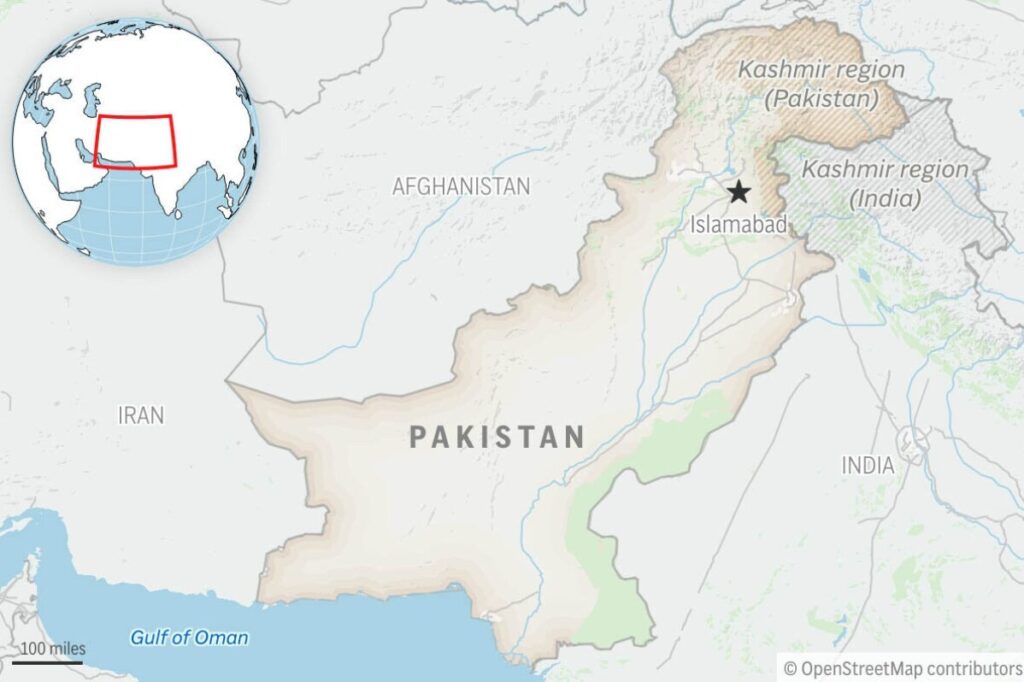
Last week’s deadly shooting in Washington, D.C., carried out by Rahmanullah Lakanwal — an Afghan national previously trained and employed by American forces — reveals a glaring gap in the United States’ immigration and military screening processes. While Afghanistan’s Taliban government insists this was an “individual incident,” the truth points to systemic vulnerabilities that directly threaten the safety of hardworking Americans.
When Trust Becomes a Threat: How Did This Happen?
Lakanwal entered the country through Operation Allies Welcome, a program designed to evacuate Afghans who assisted U.S. troops during the chaotic withdrawal from Afghanistan. Yet, despite extensive vetting promises, this suspect slipped through the cracks — bringing violence onto American soil and costing a young National Guard specialist her life.
The Afghan minister’s own admission that Lakanwal was personally trained and deemed an official employee of U.S. forces raises urgent questions: How can Washington claim to prioritize national security while relying on individuals with questionable backgrounds? How long will policymakers ignore these dangerous oversights as American families bear the consequences?
America First Means Protecting Our Own
The principle of national sovereignty and secure borders is not negotiable. For too long, Washington has prioritized globalist agendas over common-sense precautions—accepting individuals without thorough checks under the guise of humanitarianism. But when those same individuals commit violent acts against our citizens, it becomes clear that freedom requires responsibility.
This incident should serve as a wake-up call: our immigration system must enforce stringent vetting, especially for those with military training or access to sensitive information. The lives of Americans—from West Virginia’s National Guard members to every community across this nation—depend on it.
Lakanwal’s case also exposes the wider geopolitical failure: training foreign operatives without sufficient accountability not only endangers Americans abroad but back home as well. President Trump’s policies emphasized secure borders and strict vetting precisely because protecting American lives comes first—not international appeasement or hollow humanitarian exercises.
As Washington responds with paused asylum applications and increased scrutiny, these measures are overdue but necessary steps toward restoring public trust and safety.
It is time for lawmakers to act boldly—rejecting reckless immigration policies and ensuring that those admitted have been thoroughly vetted, not just rubber-stamped because of their association with past U.S. military efforts. Our national security depends on it.