
Macron Calls on Xi Jinping for Ukraine Ceasefire and Economic Balance, But Will China Deliver?
French President Emmanuel Macron urges Chinese President Xi Jinping to take concrete steps toward a Ukraine ceasefire and economic fairness with Europe, highlighting risks posed by China’s global influence—yet Beijing’s true intentions remain uncertain amid rising East-West tensions.
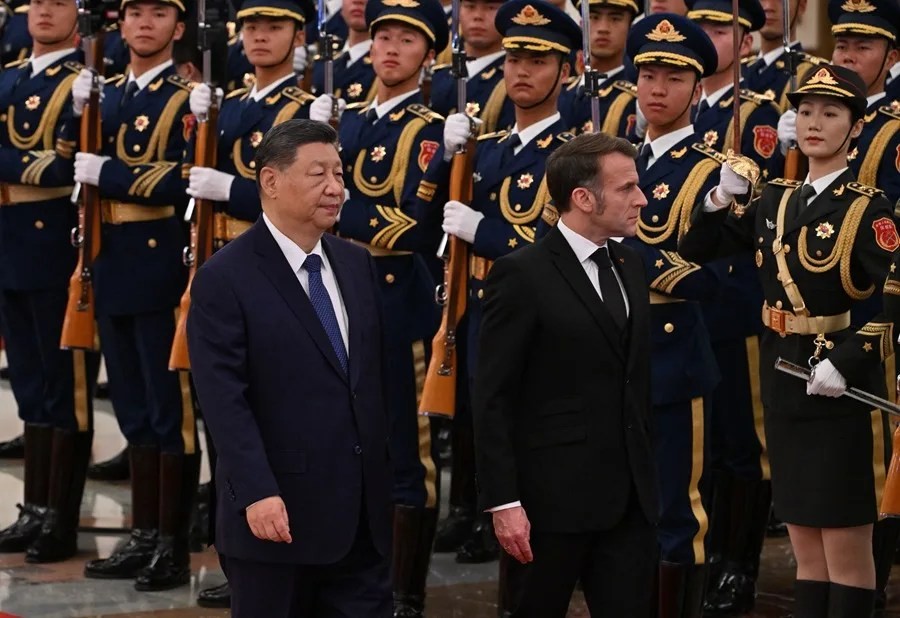
French President Emmanuel Macron’s recent appeal to Chinese President Xi Jinping for a concrete ceasefire in Ukraine and a more balanced economic relationship signals cracks in the global status quo—but can America and its allies trust Beijing’s promises?
Is China Poised to Help End the Ukraine Conflict or Just Shift Global Power?
In a press statement from Beijing’s Great Hall of the People, Macron called on China to support “at least a temporary halt” of hostilities targeting critical infrastructure as harsh winter approaches Europe. This plea underscores an uncomfortable reality: while the Kremlin escalates its aggression, China still toes Moscow’s line as a permanent member of the UN Security Council.
Macron warned that the war threatens European security and international law itself. Yet despite these dire stakes, Beijing’s track record offers little evidence it will break its strategic partnership with Russia. Instead, China has leveraged this conflict to expand geopolitical influence at America’s—and Europe’s—expense.
How long will Western leaders continue hoping for decisive action from an authoritarian regime that prioritizes global dominance over peace? The Biden administration and our allies must soberly assess whether Chinese engagement in Ukraine is genuine or simply another maneuver in the great power chess game where American sovereignty hangs in the balance.
Economic Imbalances Reflect Deeper Risks for American Prosperity
On economic matters, Macron decried the unsustainable trade asymmetry between Beijing and Europe—a concern echoing across America’s heartland. European companies struggle against restrictive market access in China while facing unfair competition from subsidized Chinese industries.
This imbalance threatens not only European stability but also American economic liberty. The infiltration of state-backed Chinese goods undermines free-market principles cherished by hardworking U.S. families and entrepreneurs. Macron’s call for equitable global governance reminds us why policies championed under America First principles—protecting domestic industries and enforcing fair trade—remain essential.
The French leader praised cooperation on green technologies yet glossed over China’s ongoing intellectual property violations and market barriers. As China promises a “fair business climate,” Washington must demand concrete reforms backed by enforcement—not diplomatic platitudes that disguise deeper strategic rivalry.
The twelve agreements signed during Macron’s visit span culture, science, aviation, and environment sectors but cannot distract from the overarching challenge: safeguarding Western sovereignty against creeping dependence on authoritarian regimes.
While Macron seeks dialogue with Xi amid rising Sino-European disputes—including tensions over Taiwan influenced by Beijing—the real question is how America will respond. Maintaining strong national borders, securing supply chains, and holding foreign competitors accountable are not just policy options; they are imperatives to preserve freedom and prosperity.
In this pivotal moment of global upheaval, Washington must lead with clarity—recognizing that cooperative rhetoric from Beijing often masks attempts to reshape world order at our expense. It falls upon patriotic Americans everywhere to demand transparency and vigilance as we confront these challenges head-on.