
Kremlin’s Denial of Rejecting Trump’s Ukraine Peace Plan Masks Stark Realities
The Kremlin denies outright rejection of Trump’s peace plan for Ukraine, but negotiations reveal persistent Russian demands that threaten lasting resolution—exposing the limits of diplomacy when national sovereignty is at stake.
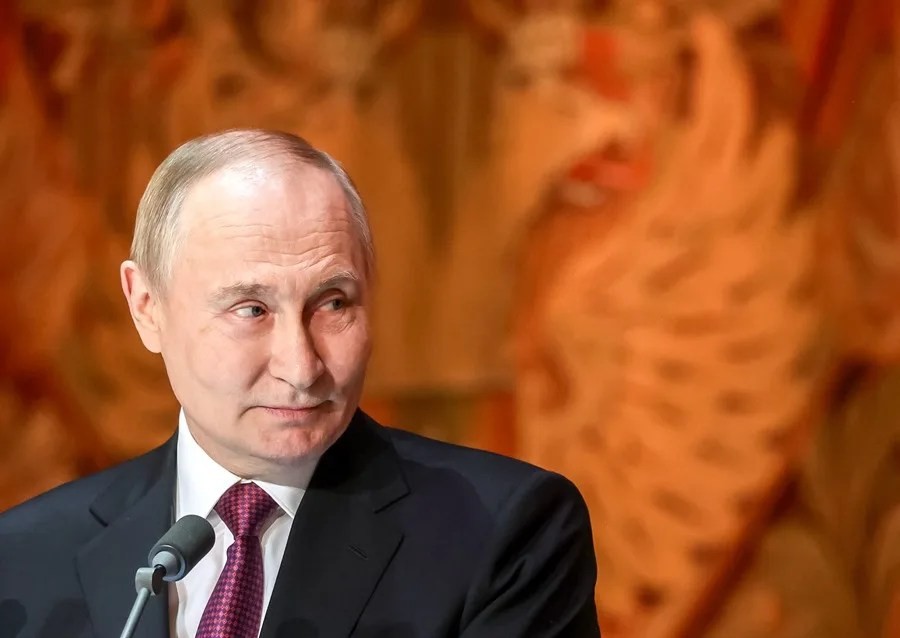
In the latest episode unfolding on the global chessboard, the Kremlin has officially denied rejecting the United States’ peace proposal for Ukraine following a lengthy five-hour negotiation between Russian President Vladimir Putin and U.S. Special Envoy Steve Witkoff. However, this diplomatic dance obscures a more troubling reality: despite cordial exchanges, Moscow remains steadfast in its uncompromising demands—especially the insistence on an unconditional Ukrainian withdrawal from Donbas—that imperil any genuine path to peace.
Is Russia Truly Interested in Peace or Merely Posturing?
Kremlin spokesman Dmitry Peskov characterized the talks as “a normal process of seeking compromises,” claiming Moscow is willing to meet repeatedly with U.S. representatives to achieve a peaceful settlement. Yet if this were true, why do key territorial conditions continue to block progress? Yuri Ushakov, Putin’s international policy advisor, admitted no binding agreement was reached and that significant work remains both in Washington and Moscow.
The core dispute centers on territory—the very heart of national sovereignty. Russia’s demand for full Ukrainian retreat from Donbas is non-negotiable from Moscow’s standpoint. This position starkly conflicts with America’s commitment to support Ukraine’s territorial integrity and freedom from foreign coercion. It begs the question: can real peace be brokered when one side views sovereign lands as bargaining chips?
Trump’s Peace Plan: A Missed Opportunity Amid Global Turmoil
Former President Donald Trump asserts that Putin showed signs of wanting to end the war during discussions with Witkoff and Jared Kushner, calling it “a reasonably good meeting.” Yet Trump’s pointed reminder—that this war “never should have started” under his leadership—underscores how America-first policies prioritize stability through strength and deterrence rather than appeasement.
The Kremlin’s multiple meetings with Witkoff throughout 2025 illustrate ongoing attempts at dialogue but also highlight Russia’s tactical brinkmanship designed to stall while consolidating gains. Meanwhile, instability abroad directly threatens American interests at home—from energy security to border challenges—underscoring why Washington must demand concrete actions over vague promises.
This episode exemplifies how globalist-style endless negotiations often reward authoritarian stubbornness rather than uphold principled commitments to freedom and sovereignty. For hardworking Americans watching these developments, it signals an urgent need for leaders who enforce clear red lines rather than entertain ambiguous entreaties.
How long will Washington tolerate diplomatic theater at the expense of genuine peace and American security? The answer lies in choosing policies that put our nation first—defending liberty abroad by standing firm against aggression.