
Volunteer’s Fatal Shooting at Utah Protest Raises Alarming Questions on Public Safety and Accountability
A safety volunteer charged with manslaughter in a fatal protest shooting highlights critical failures in public order and legal clarity amid open-carry gun laws.
In the heart of Salt Lake City, a tragedy unfolded during what was meant to be a peaceful “No Kings” protest. Matthew Alder, acting as a safety volunteer, has been charged with manslaughter after fatally shooting Arthur Folasa Ah Loo, a respected fashion designer and Pacific Islander community advocate. This incident exposes the dangerous intersection of loosely regulated open-carry gun laws and the blurred lines of citizen enforcement roles.
When Open-Carry Laws Put Communities at Risk
Utah’s open-carry laws allow legally armed citizens to carry firearms openly in public spaces. While intended to uphold Second Amendment rights, this environment can become combustible when protests ignite tensions. Ah Loo was shot after another protester, Arturo Roberto Gamboa, carried a rifle during the demonstration—yet he will not face charges despite being seen as creating the hazardous conditions that preceded the fatal shooting.
This raises pressing questions for all Americans concerned with national sovereignty and the rule of law: How can local jurisdictions ensure public safety without undermining constitutional freedoms? More importantly, who holds responsibility when civilian volunteers—rather than trained law enforcement—intervene in volatile situations? The decision to charge Alder but not Gamboa underscores confusion in accountability that risks further tragedies.
The Cost of Overreach and Ambiguity
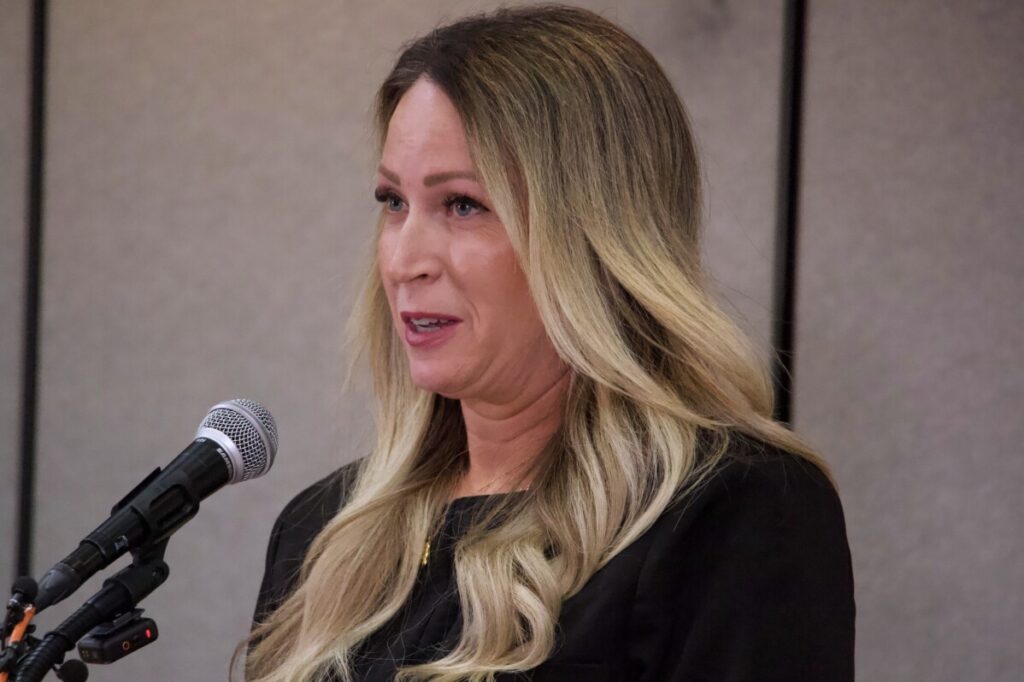
Afa Ah Loo’s death is not just a personal loss felt deeply by his family and community; it is a signal warning about where failed governance leads. Salt Lake County District Attorney Sim Gill spoke emotionally about grieving Ah Loo as “a husband, father, and active member of our community,” yet the broader lesson is about systemic failure to protect citizens while preserving liberty.
For families already strained by societal unrest and economic pressures, such incidents fuel distrust in government capacity to safeguard rights without chaos. It recalls policies championed by America First leaders who stress strong law enforcement presence combined with respect for individual liberties—to avoid vigilantism or harmful civilian intervention under confusing legal standards.
As Alder awaits trial, this case demands rigorous scrutiny into how cities manage protests, regulate firearms responsibly within open-carry frameworks, and delineate roles between official authorities and volunteers. How long will Washington continue ignoring these urgent problems that directly affect national security from coast to border?
This tragedy must prompt lawmakers to act decisively—not with vague apologies but clear reforms aligned with protecting American families’ freedom and security.