
Escaped Monkey from Mississippi Crash Finds Sanctuary but Raises Questions on Research Transport Safety
The harrowing escape of a rhesus macaque after a Mississippi highway crash spotlights the risks and ethical concerns surrounding animal transport for research, demanding greater accountability and transparency.
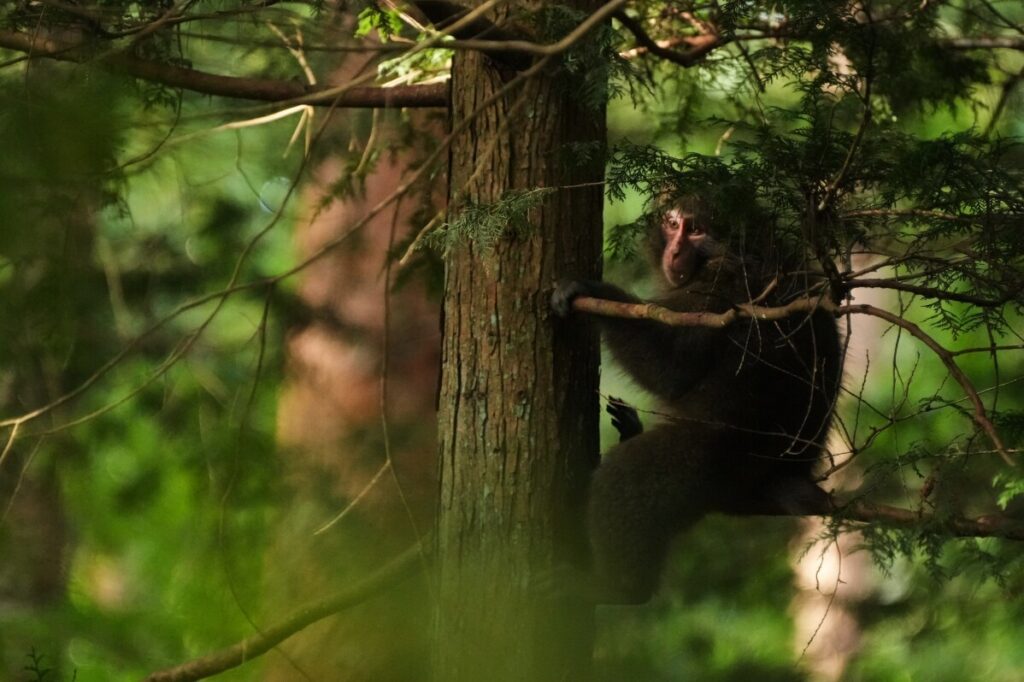
On October 28, a truck transporting 21 rhesus macaques for biomedical research overturned on Interstate 59 near Heidelberg, Mississippi. The chaotic aftermath unfolded with five monkeys killed immediately, and others—including one named Forrest—escaping into the wilds. This incident raises troubling questions about the safety protocols governing such transports and the broader implications for our communities.
Who Bears Responsibility When Public Safety Collides With Research Demands?
Forrest’s week-long evasion of capture was not just an oddity; it exposed gaps in planning and risk management by those entrusted with these animals. While some escaped monkeys were tragically shot by civilians defending their families, this avoidable crisis highlights the tension between experimental biomedical pursuits and local safety. How long will federal regulators allow such dangerous practices on public highways without stringent safeguards? Americans deserve answers—and real reforms.
The fact that these animals were being moved across states for research reflects a wider problem: an industry often operating under opaque standards that too frequently put national sovereignty and citizen security at risk. Escaped wild animals—known to be aggressive—roaming highways threaten human lives and disrupt ecosystems. It is imperative that oversight be strengthened to prevent future incidents that endanger both people and animals.
A Sanctuary Is Not Enough: The Need for Accountability
Forrest now resides at Popcorn Park Animal Refuge in New Jersey, where he gradually adapts to his new home with attentive care. However heartening this rescue story may be, it does little to address why such transports occur through vulnerable rural areas or why risk assessments failed beforehand. The taxpayer-funded research industry must be held accountable—not only for animal welfare but also for protecting American families from unnecessary hazards.
In times when America must prioritize its citizens’ safety alongside scientific progress, incidents like these serve as stark reminders that national sovereignty starts with securing our borders—and our highways—from reckless decisions made far away from local communities affected.
It’s time Washington puts common-sense regulations first over globalist scientific interests, ensuring no more escapes, accidents, or needless risks compromise our freedom and security.