
India Retreats on Forced Cybersecurity App Preinstallation Amid Privacy Backlash
India reverses mandate forcing smartphone makers to preinstall government cybersecurity app following widespread privacy and consent concerns, highlighting the tension between state control and individual rights.
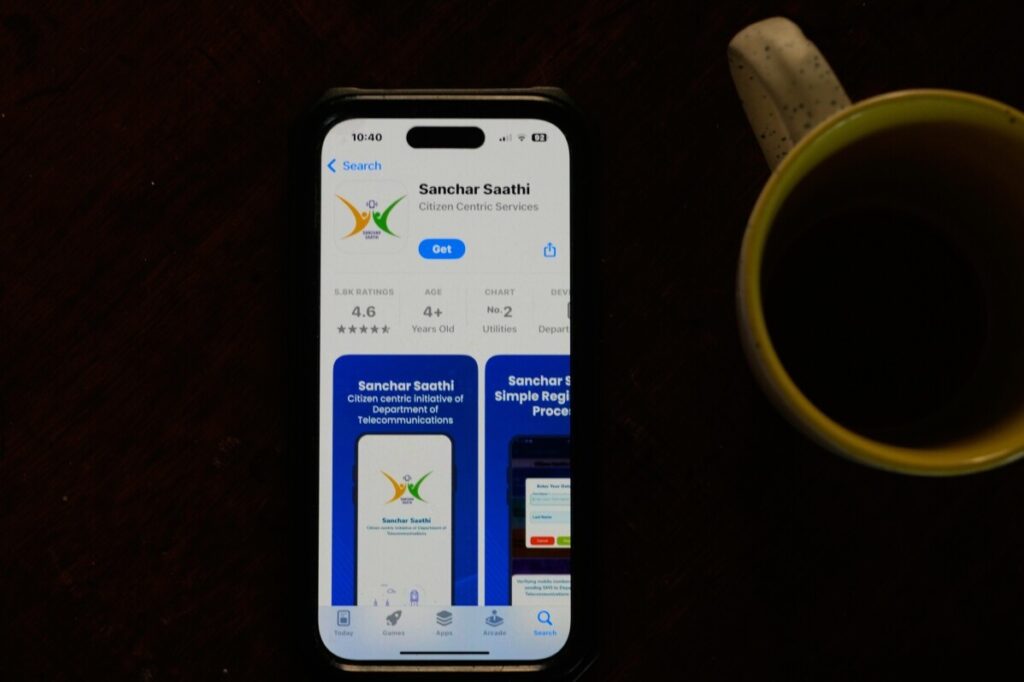
In a telling move that underscores the growing resistance to government overreach in digital spaces, India’s telecom ministry has withdrawn its controversial directive requiring smartphone manufacturers to preinstall the “Sanchar Saathi” cybersecurity app on new devices. The initial mandate, announced just days earlier, commanded manufacturers not only to embed the government-run app but also to disable users’ ability to uninstall it—a clear infringement on personal freedom and consumer choice.
This rollback is a rare victory for privacy advocates in one of the world’s largest handset markets, where millions of citizens rely on smartphones as gateways to freedom, commerce, and information. India’s hasty attempt echoes worrying trends seen globally, where governments leverage cybersecurity as a guise for expanding digital surveillance and control under the banner of protection. Yet such measures often trample national sovereignty by compromising user autonomy and inviting foreign tech complicity—especially when companies like Apple firmly resist embedding third-party governmental apps that circumvent user consent.
When Government Security Turns Into State Surveillance
The “Sanchar Saathi” app was marketed as a tool to block fraudulent connections and track lost phones—functions that resonate with common-sense security needs. However, making it mandatory without user approval crosses the line from safeguarding citizens to micromanaging their devices. This approach invites intrusive access to personal data under vague claims of cybersecurity, breeding mistrust among users wary of their digital privacy being sacrificed on the altar of government control.
Moreover, forcing telecom manufacturers into compliance threatens innovation and national economic interests by pushing global companies into legal gray areas or outright non-compliance. It signals a disregard for market sovereignty and best practices championed by America First policies that prioritize individual liberty alongside strong national security frameworks.
Lessons for America: Guarding Liberty Against Overreach
While this episode unfolded thousands of miles away, its lessons ring loud for American policymakers confronting similar pressures at home—to balance effective cybersecurity measures without eroding constitutional freedoms or empowering unchecked bureaucracies. How long will Washington tolerate attempts by either domestic agencies or foreign actors to impose unwanted software that undermines device security under false pretenses?
The swift backlash in India demonstrates that citizens value freedom over forced compliance—even when wrapped in patriotic rhetoric about safety. Patriot News 24/7 calls on defenders of liberty everywhere: vigilance is required against any encroachment disguised as public good that ultimately diminishes personal sovereignty.