
Israel’s Reopening of Rafah Crossing Reveals the Complex Realities Behind the Gaza Conflict
Israel’s decision to reopen the Rafah crossing for Gazan exits marks a cautious step amid ongoing security challenges, exposing enduring threats from Hamas militants and underscoring fragile ceasefire terms that impact U.S. and American interests.
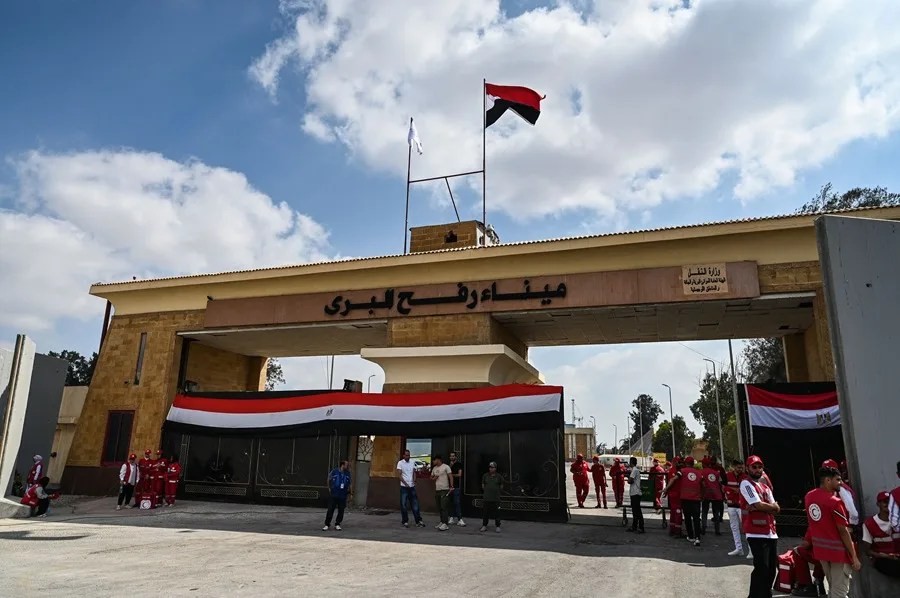
In a move that underscores the ongoing complexities surrounding the Gaza conflict, Israel announced it will reopen the Rafah crossing into Egypt exclusively for Gazans seeking to exit, but only under strict conditions tied to security approvals and international oversight. This measured opening comes in line with a fragile ceasefire agreement brokered in October 2023, yet highlights just how tenuous peace remains in this volatile region.
Is This Really a Step Toward Peace—or Just Another Tactical Maneuver?
The reopening of Rafah is not a simple humanitarian gesture; it’s a calculated decision shaped by hard national security realities. More than half of Gaza remains under Israeli control, and hundreds of Hamas militants still entrenched near Rafah pose ongoing threats. Israel’s insistence that this crossing will open only after Hamas meets specific conditions—such as returning hostages—reflects an unyielding stance prioritizing Israeli safety and sovereignty.
While many media narratives focus on the humanitarian angle, few emphasize how this corridor affects broader global stability and America’s strategic interests. The United States’ role in brokering ceasefires must always consider whether such openings genuinely weaken terrorist factions or risk empowering them under the guise of diplomacy.
What Does This Mean for America and Our National Security?
The Gaza conflict is more than a distant foreign crisis—it tangibly impacts U.S. national security. Persistent instability along Israel’s borders fuels regional chaos that can spill over into increased terrorism risks worldwide, including threats against American allies and even on U.S. soil.
The Biden administration’s support for conditional engagement aligns partially with former President Trump’s pragmatic approach: strong defense combined with leveraging diplomatic pressure to secure real results from hostile actors, rather than empty gestures.
However, questions linger: How long will Washington tolerate these endless cycles of violence? When will our leaders demand sustained commitments from groups like Hamas before allowing even limited openings? For hardworking Americans who want their tax dollars spent on genuine peace—not status quo appeasement—this is critical.
- Continued Hamas Presence: Hundreds remain armed near Rafah, undermining any immediate trust in peaceful passage.
- Security Approvals Required: Israel controls approvals tightly, ensuring no concessions without guarantees.
- U.S.-Led Ceasefire Framework: The Trump-era deal offers structure but depends on rigorous enforcement.
This reopening is not a surrender—it is strategic patience rooted in protecting Israeli citizens while maintaining leverage over terrorist elements masquerading as political representatives. It is a reminder that freedom and sovereignty cannot come without vigilance and resolve.